


Over half of American commercial vehicles face costly interior damage each year simply because of inadequate floor protection. With demanding work conditions and constant exposure to dirt, chemicals, and harsh weather, maintaining vehicle cleanliness and safety quickly becomes a real challenge. Discover how specialized car rubber mats deliver rugged performance and long-lasting value for American businesses aiming to protect their investments and keep operations running smoothly.
Table of Contents
- Defining Car Rubber Mats For Commercial Use
- Types Of Car Rubber Mats And Their Applications
- Durability, Material Benefits, And Safety Features
- Proper Cleaning, Maintenance, And Lifespan Tips
- Key Cost Factors And Choosing The Right Mat
Key Takeaways
| Point | Details |
|---|---|
| Durability and Material Composition | Car rubber mats are made from synthetic or natural rubber, with specific types like Nitrile, SBR, and natural rubber offering varied benefits for different environments. |
| Design Features | Key features such as raised edges, deep grooves, and non-slip textures enhance the mat’s performance in commercial applications, ensuring effective dirt and water management. |
| Maintenance Importance | Proper cleaning and regular inspections are crucial for extending the lifespan of rubber mats, with maintenance practices tailored to individual material types. |
| Cost Considerations | Selecting the right mat involves evaluating initial costs, maintenance needs, and durability to achieve long-term performance and financial efficiency. |
Defining Car Rubber Mats for Commercial Use
Car rubber mats are specialized protective floor coverings engineered for durability and performance in commercial transportation environments. These mats serve a critical function in maintaining vehicle interiors, protecting against wear and managing environmental contaminants like moisture, dirt, and debris.
Commercial rubber mats are distinguished by their robust construction and material composition. Rubber floor mats are typically manufactured from synthetic or natural rubber compounds selected for their specific performance characteristics. The most common materials include Styrene-Butadiene Rubber (SBR) and natural rubber, each offering unique advantages for different operational conditions.
Key design features of commercial car rubber mats include:
- Precise vehicle floor fitting
- Raised peripheral edges to contain liquids
- Deep channeled grooves for efficient dirt and water management
- Resistance to chemicals, temperature variations, and mechanical stress
- Non-slip surface textures
In heavy-duty commercial settings, these mats are engineered to withstand extreme conditions. Nitrile rubber blends, for instance, provide exceptional resistance to oils and industrial chemicals, making them ideal for transportation, logistics, and industrial vehicle applications. The strategic design ensures maximum floor protection while maintaining user comfort and safety.
Types of Car Rubber Mats and Their Applications
Car rubber mats represent a diverse category of protective floor coverings, each designed to address specific commercial and industrial requirements. Rubber floor mats are engineered with unique material compositions and structural characteristics to meet varied environmental challenges and operational demands.
The primary types of car rubber mats include:
- Natural Rubber Mats: Ideal for general-purpose applications, providing excellent basic protection and versatility
- Nitrile Rubber Mats: Specialized for environments with high oil exposure and chemical interactions
- Styrene-Butadiene Rubber (SBR) Mats: Designed for durability in high-traffic and moisture-prone settings
- Molded Precision Mats: Custom-fitted to specific vehicle floor configurations
Commercial vehicle applications demand robust mat solutions that can withstand extreme conditions. Molded rubber mats with raised edges and deep channeled grooves effectively contain liquids and channel dirt, making them particularly valuable in transportation, logistics, and industrial sectors. The strategic material selection ensures resistance to temperature fluctuations, mechanical stress, and environmental contaminants.
Advanced rubber mat technologies continue to evolve, offering enhanced performance characteristics. From non-slip textures to specialized chemical-resistant compounds, modern car rubber mats provide comprehensive floor protection while maintaining user safety and comfort in demanding commercial environments.
Durability, Material Benefits, and Safety Features
Commercial car rubber mats represent a critical intersection of advanced material engineering and practical safety design. Floor safety mats are engineered to withstand extreme operational conditions while providing comprehensive protection for vehicle interiors and occupant safety.
Key durability features of high-performance rubber mats include:
- Exceptional resistance to chemical degradation
- Ability to withstand temperature fluctuations from -40°F to 250°F
- Impact and compression resistance
- Non-slip surface textures
- Rapid liquid drainage capabilities
The material composition plays a crucial role in determining mat performance. Nitrile rubber blends, for instance, offer superior resistance to oils and industrial chemicals, making them ideal for heavy-duty commercial vehicles. Natural rubber and Styrene-Butadiene Rubber (SBR) provide excellent general-purpose protection, with SBR delivering enhanced moisture resistance and durability in high-traffic environments.
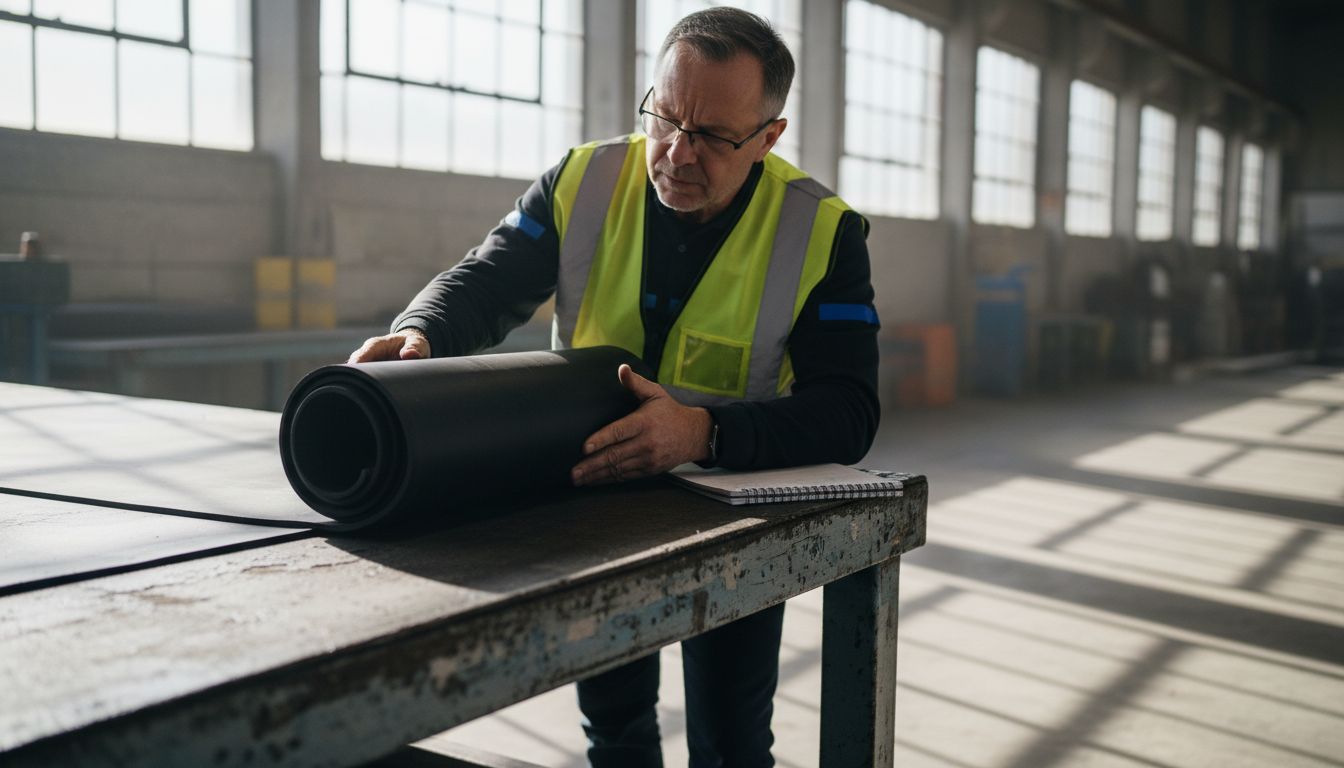
Safety remains paramount in commercial rubber mat design. Advanced manufacturing techniques incorporate raised edges to contain spills, deep channeled grooves for efficient liquid management, and precision-molded surfaces that minimize slip risks. These engineering innovations transform rubber mats from simple floor coverings into critical safety infrastructure that protects both vehicle interiors and human occupants from potential hazards.
Proper Cleaning, Maintenance, and Lifespan Tips
Car rubber mats require strategic maintenance to ensure optimal performance and longevity in commercial environments. Commercial building maintenance practices directly impact the effectiveness and durability of floor protection systems, making systematic care essential for prolonging mat life.
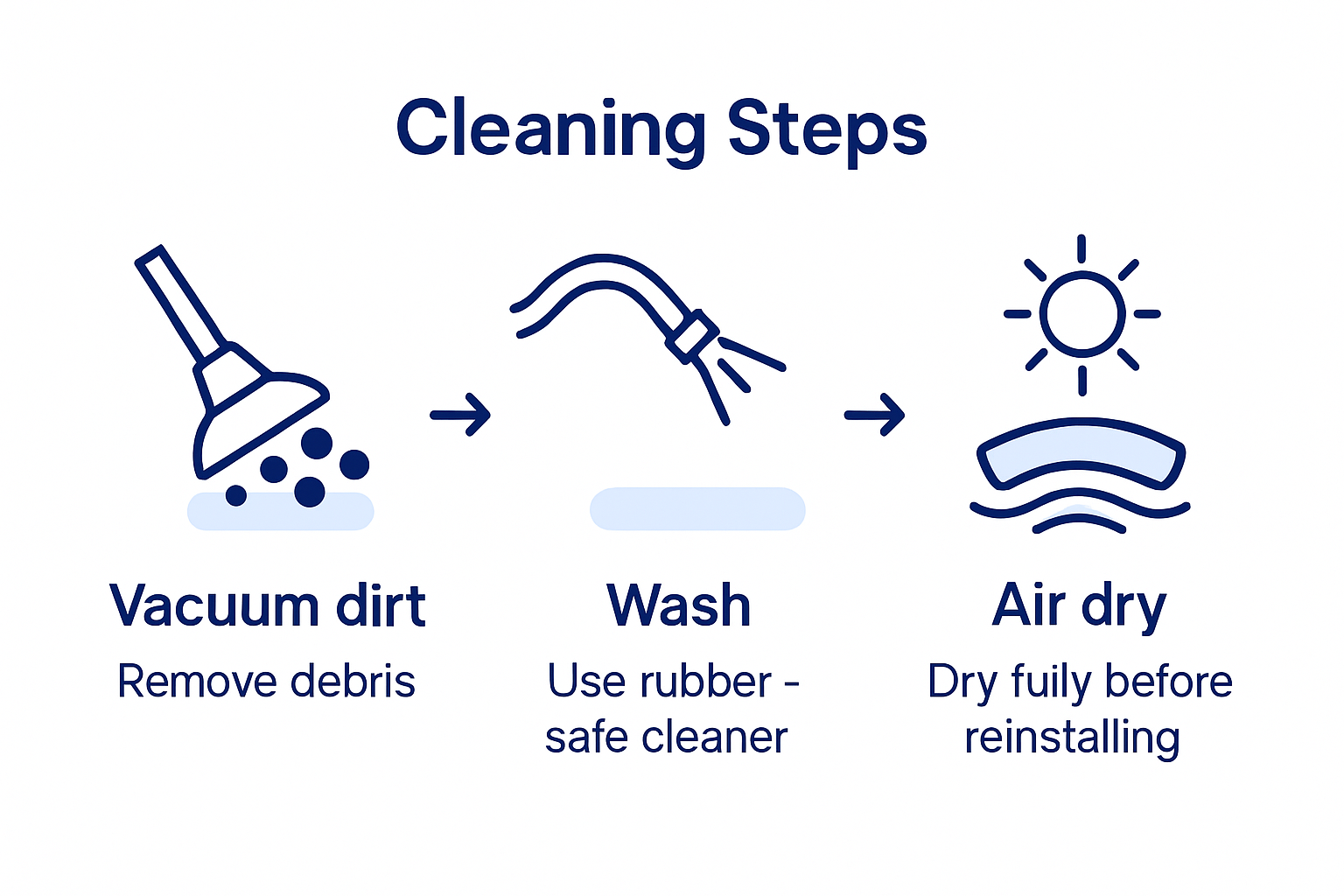
Essential maintenance protocols include:
- Regular removal of loose debris and dirt
- Thorough cleaning with specialized rubber cleaning solutions
- Immediate treatment of chemical or oil spills
- Periodic inspection for wear, cracking, or structural damage
- Proper drying after washing to prevent mold and mildew growth
The cleaning process for commercial rubber mats demands precision. Different rubber compounds require specific care approaches - nitrile rubber mats, for instance, need gentle cleaning agents that won’t degrade their chemical-resistant properties. Natural rubber and SBR mats tolerate more aggressive cleaning methods but still require careful handling to maintain their structural integrity and performance characteristics.
Lifespan optimization involves proactive management. High-quality rubber mats in commercial settings typically last 3-5 years with proper maintenance, though factors like chemical exposure, temperature extremes, and mechanical stress can significantly impact durability. Regular rotational strategies, storing mats in temperature-controlled environments, and avoiding direct prolonged sunlight exposure can substantially extend their functional lifespan and maintain critical safety performance.
Key Cost Factors and Choosing the Right Mat
Commercial rubber mat selection requires a strategic approach that balances performance requirements with budget constraints. Cost-effective matting solutions demand careful evaluation of multiple critical factors beyond initial purchase price.
Key cost considerations for commercial rubber mats include:
- Initial material and manufacturing costs
- Long-term durability and replacement frequency
- Maintenance and cleaning expenses
- Performance characteristics in specific environmental conditions
- Potential safety and operational risk mitigation
Material selection plays a crucial role in cost-effectiveness. Precise floor mat configurations engineered with specific rubber compounds like SBR or nitrile blends offer targeted performance for different operational environments. Natural rubber provides economical general-purpose protection, while specialized nitrile compounds deliver superior chemical resistance at a higher initial investment.
The total cost of ownership extends far beyond the purchase price. Rubber mats that withstand harsh commercial conditions - featuring raised edges, deep groove designs, and robust material composition - ultimately reduce long-term expenses by minimizing replacement frequency, protecting underlying floor surfaces, and maintaining workplace safety standards. Intelligent mat selection involves analyzing operational requirements, environmental stress factors, and projected performance lifecycles to maximize both financial efficiency and functional reliability.
Protect Your Commercial Vehicle Floors with Durable Rubber Mats
If you are striving to protect your vehicle floors against heavy wear, dirt, and chemical spills, the right car rubber mats make all the difference. This article highlights key challenges such as managing moisture, resisting harsh chemicals, and preventing slips in high-traffic environments. At Mats4U, we understand that commercial spaces demand floor protection that combines durability, safety, and easy maintenance.
Explore our wide range of Commercial Mats designed especially for these tough conditions. Our mats feature custom-fit designs with raised edges and deep grooves to contain spills and channel debris. Choose mats crafted from premium rubber compounds to match your specific operational needs. Don’t wait until damage costs rise or safety risks increase. Visit Mats4U.com now to find reliable, American-made rubber mats for long-lasting floor protection and enjoy free delivery on orders over $100. Protect your investment today and ensure safer work environments tomorrow.
Frequently Asked Questions
What are car rubber mats, and why are they important in high-traffic spaces?
Car rubber mats are durable floor coverings designed to protect vehicle interiors from dirt, moisture, and wear, particularly in high-traffic areas. They help maintain cleanliness and safety in commercial vehicles by preventing contaminants from damaging the flooring.
What types of rubber mats are available for commercial use, and how do they differ?
There are various types of rubber mats, including natural rubber mats for general use, nitrile rubber mats designed for high oil exposure, stylrene-butadiene rubber (SBR) mats for moisture resistance, and molded precision mats that fit specific vehicle configurations. Each type offers unique benefits suited for different operational environments.
How often should car rubber mats be cleaned and maintained?
Car rubber mats should be regularly cleaned to remove dirt and debris, with thorough cleaning done using specific rubber cleaning solutions. Maintenance includes immediate treatment of spills, periodic inspections for wear, and proper drying to prevent mold growth, ensuring mats remain functional and safe.
What factors affect the lifespan of rubber mats in commercial settings?
The lifespan of rubber mats can be influenced by factors such as chemical exposure, temperature extremes, and mechanical stress. Proper maintenance can prolong their life, with high-quality mats typically lasting 3-5 years under optimal conditions.
Recommended
- 8 Best Mats for High Traffic: Keep Your Business Safe – Mats4U USA
- Benefits of Rubber Floor Mats: Complete Guide – Mats4U USA
- The Actionable Guide to the Best Flooring for High Traffic Areas – Mats4U USA
- Best High Traffic Area Flooring Solutions for Businesses – Mats4U USA
- 7 Best Kitchen Flooring Options for Busy Families


