


Slip-and-fall accidents are one of the leading causes of injuries in American commercial kitchens, costing businesses both time and money. For facility managers in hospitality, keeping staff safe in fast-paced food prep areas is a daily concern. With so many options on the market, understanding what sets top anti slip kitchen floor mats apart gives you a clear advantage when it comes to efficient accident prevention and meeting modern safety standards.
Table of Contents
- Defining Anti Slip Kitchen Floor Mats
- Major Types And Material Differences
- Crucial Safety Features And Benefits
- Meeting OSHA And Industry Standards
- Cost, Longevity, And Common Pitfalls
Key Takeaways
| Point | Details |
|---|---|
| Effective Safety Tools | Anti slip kitchen floor mats significantly enhance traction, reducing slip hazards and workplace accidents in food service environments. |
| Material Importance | The durability and chemical resistance of mats, especially rubber and synthetic polymers, are critical for maintaining safety in high-traffic and wet areas. |
| Compliance and Maintenance | Regular inspections and adherence to OSHA standards are essential for ensuring continued safety and effectiveness of the mats. |
| Cost Consideration | Investing in high-quality mats can save significant costs by preventing workplace injuries and minimizing liability risks over time. |
Defining Anti Slip Kitchen Floor Mats
Anti slip kitchen floor mats are specialized safety products designed to significantly reduce workplace accidents by providing enhanced traction in high-risk food service environments. These mats are engineered with specific materials and textured surfaces that minimize slip hazards under challenging kitchen conditions where water, grease, and food spills are common.
Typically constructed from durable synthetic materials like rubber or specialized polymers, anti slip kitchen floor mats feature unique surface characteristics that dramatically improve grip. The mats incorporate raised patterns, microscopic channels, and textured designs that actively displace liquids and create immediate surface tension. This engineering ensures workers maintain stable footing even when walking across wet or slippery surfaces, which is critical in fast-paced commercial kitchen environments where split-second stability can prevent serious injuries.
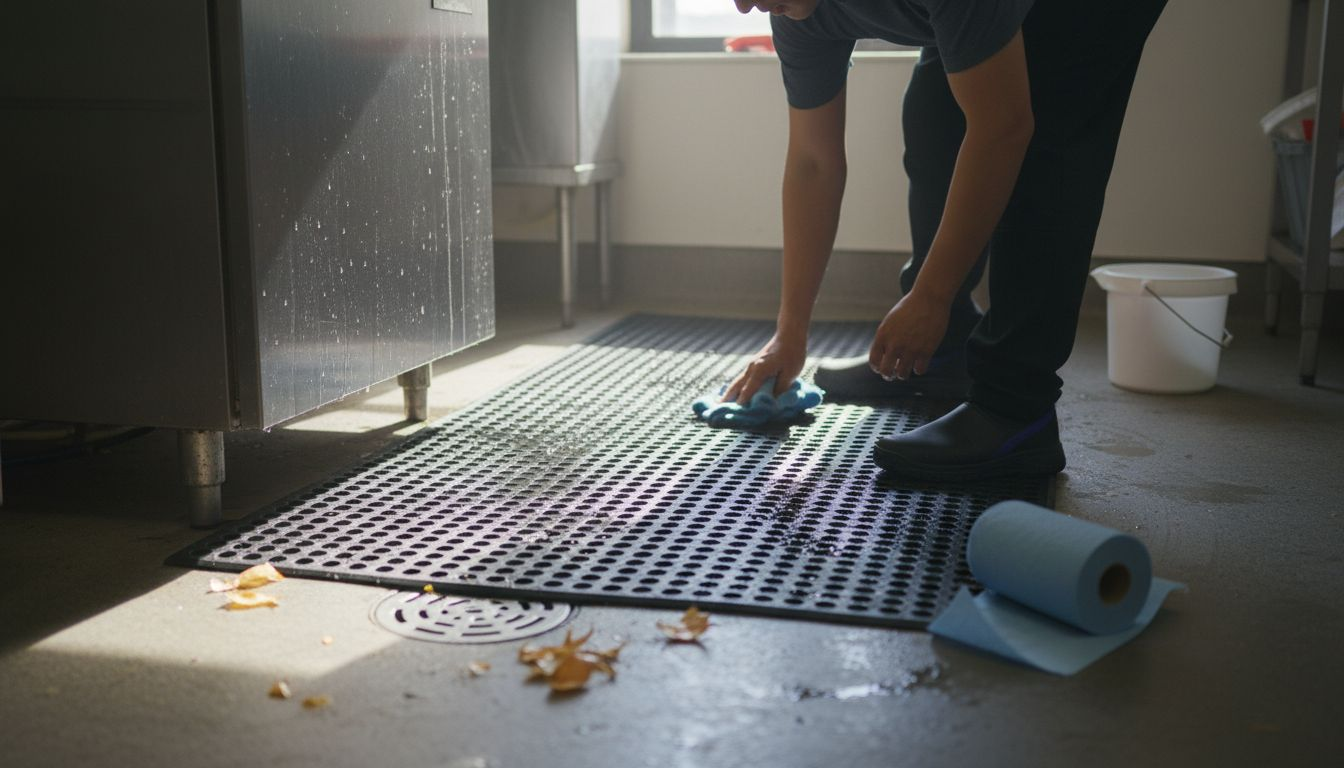
The primary functional components of these mats include strategically designed surface textures, resilient backing materials, and ergonomic thickness that provides both slip resistance and worker comfort. Professional kitchen environments require mats that can withstand constant moisture, temperature variations, and heavy foot traffic while maintaining their protective properties. Compliance with safety standards becomes paramount, with many high-quality anti slip kitchen floor mats meeting rigorous testing requirements like UL 410 for slip resistance performance.
Pro Kitchen Safety Tip: Always inspect anti slip kitchen floor mats monthly for wear, tear, or surface degradation, and replace them immediately if their textured grip shows significant reduction in effectiveness.
Major Types and Material Differences
Anti slip kitchen floor mats come in several distinct material categories, each engineered to address specific workplace safety challenges. Rubber mats represent the most traditional and widely used option, offering exceptional durability and resistance to grease, water, and chemical exposures. These mats typically feature raised surface patterns that provide superior traction in high-risk environments, making them ideal for commercial kitchens with frequent spills and heavy foot traffic.
Synthetic polymer mats constitute another critical category, utilizing advanced material science to create lightweight yet robust slip-resistant surfaces. These mats often incorporate specialized compounds like nitrile rubber or polyurethane, which deliver enhanced chemical resistance and longevity compared to traditional rubber options. The molecular structure of these materials allows for microscopic channels and textures that actively disperse liquids, creating immediate grip and reducing slip potential in challenging kitchen environments.
A third significant category involves composite mats that combine multiple materials to maximize safety and performance. These hybrid designs might integrate rubber backing with specialized surface treatments like silicon carbide grit or textured polymer overlays. Such sophisticated constructions offer multi-layered protection, addressing not just slip resistance but also worker comfort through ergonomic design principles. Professional kitchen managers increasingly recognize these advanced mat technologies as critical investments in workplace safety infrastructure.
Pro Equipment Maintenance Tip: Always rotate and flip anti slip kitchen floor mats periodically to ensure even wear and maximize their protective lifespan, preventing premature material degradation in high-traffic zones.
Here’s a comparison of major anti slip kitchen floor mat types and their unique advantages:
| Mat Type | Key Material | Distinct Advantage | Best Use Case |
|---|---|---|---|
| Rubber | Natural/synthetic rubber | Resists grease and chemicals | High-traffic commercial |
| Synthetic Polymer | Nitrile or polyurethane | Extended durability | Wet, chemical-prone areas |
| Composite | Multi-material blend | Enhanced comfort and traction | Ergonomic work zones |
Crucial Safety Features and Benefits
Anti slip kitchen floor mats provide multiple critical safety features designed to protect workers and minimize workplace accidents. Strategic placement of mats at high-risk locations becomes essential in controlling liquid migration and reducing potential slip hazards. The primary safety benefits extend beyond simple traction, encompassing comprehensive workplace protection through intelligent design and material engineering.
The ergonomic features of these mats include specialized surface textures that actively disperse liquids, creating immediate grip and reducing the potential for sudden slips. Many advanced mats incorporate shock absorption technologies that minimize fatigue for workers who spend extended periods standing in demanding kitchen environments. Perforated rubber mats represent a particularly effective solution for back-of-house areas, offering enhanced drainage and continuous traction even in moisture-rich zones.
Beyond immediate slip prevention, these mats contribute to broader workplace safety strategies. They provide thermal insulation against cold floor surfaces, reduce muscle strain through cushioned support, and create defined work zones that help organize kitchen traffic flow. Professional kitchen managers recognize these mats as critical infrastructure investments that simultaneously protect worker health, reduce potential liability, and maintain operational efficiency.
Pro Safety Management Tip: Conduct monthly comprehensive inspections of anti slip kitchen floor mats, checking for signs of wear, checking edge curling, assessing surface texture integrity, and immediately replacing any mats showing potential safety compromises.
Meeting OSHA and Industry Standards
Occupational Safety and Health Administration (OSHA) compliance represents a critical benchmark for anti slip kitchen floor mats in commercial food service environments. OSHA-aligned manufacturing practices mandate rigorous standards that ensure workplace safety through comprehensive material testing and performance evaluation. These standards specifically address slip resistance, durability, and potential workplace hazard mitigation, requiring manufacturers to develop mats that can withstand intense kitchen conditions while protecting worker safety.
Industry certification processes play a crucial role in validating mat performance beyond basic regulatory requirements. The National Floor Safety Institute (NFSI) provides critical third-party validation, certifying high-traction floor protection solutions that meet stringent testing protocols. These certifications evaluate multiple performance metrics, including liquid displacement capabilities, surface texture effectiveness, and long-term durability under challenging workplace conditions. Professional kitchen managers must look for these certifications as concrete evidence of a mat’s ability to meet or exceed industry safety standards.
Comprehensive compliance involves more than just material selection. It requires ongoing maintenance, regular inspection, and systematic replacement strategies that align with workplace safety protocols. Facility managers must develop comprehensive documentation processes that track mat performance, document maintenance cycles, and demonstrate proactive safety management. This approach not only ensures regulatory compliance but also creates a documented trail of safety investments that can protect businesses from potential workplace injury claims.
Pro Compliance Tip: Maintain a detailed log of anti slip kitchen floor mat inspections, documenting purchase dates, replacement schedules, and any observed performance changes to demonstrate ongoing commitment to workplace safety standards.
Cost, Longevity, and Common Pitfalls
The financial investment in anti slip kitchen floor mats requires a strategic approach that balances initial purchase price with long-term performance and safety benefits. Pricing variables include material quality, manufacturing complexity, and specialized design features that contribute to workplace protection. Professional kitchen managers must evaluate mats not as simple accessories, but as critical safety infrastructure with measurable return on investment through accident prevention and worker protection.
Longevity depends on multiple factors, including material composition, frequency of use, cleaning protocols, and environmental conditions. High-quality mats typically range from 12 to 36 months of effective service, with rubber and advanced synthetic options demonstrating superior durability. Common pitfalls include premature wear from improper maintenance, exposure to extreme temperatures, and neglecting routine inspection processes. Facility managers should track mat performance metrics, documenting replacement cycles and identifying early signs of material degradation.

Cost considerations extend beyond initial purchase price, encompassing potential workplace injury expenses, worker compensation claims, and operational disruptions. A $100 high-performance mat potentially saves thousands in potential accident-related costs. Critical evaluation metrics include material resilience, slip resistance consistency, ease of cleaning, and ability to withstand harsh kitchen environments. Professional procurement strategies involve comparing total cost of ownership rather than focusing solely on upfront expenses.
Pro Budget Management Tip: Calculate anti slip kitchen floor mat expenses using a comprehensive lifecycle assessment that includes purchase price, maintenance costs, replacement frequency, and potential accident prevention value, not just initial investment.
Below is a summary of critical factors affecting mat selection and long-term value:
| Selection Factor | Impact on Kitchen Safety | Financial Importance |
|---|---|---|
| Material quality | Directly improves slip resistance | Reduces accident costs |
| Maintenance routine | Ensures effectiveness over time | Prolongs mat lifespan |
| Certification level | Proves compliance with standards | Minimizes liability risks |
| Lifecycle cost | Supports long-term planning | Optimizes ROI over years |
Enhance Kitchen Safety with Premium Anti Slip Mats from Mats4U
Keeping your kitchen staff safe starts with choosing the right anti slip kitchen floor mats designed to reduce slip hazards and provide lasting traction in demanding commercial environments. This article highlights critical safety features such as resilient materials, ergonomic designs, and compliance with slip resistance standards—all essential factors for preventing accidents in fast-paced hospitality settings.
Protect your team and improve workplace productivity by exploring our comprehensive selection of Commercial Mats that combine durability with superior slip resistance. At Mats4U.com, you will find high-quality rubber, synthetic polymer, and composite mats engineered to meet industry safety standards while also delivering comfort during long shifts. With competitive pricing, free delivery over $100, and products proudly Made in the USA, now is the perfect time to invest in reliable anti slip solutions.
Browse our mats today to prevent costly workplace injuries and ensure your kitchen stays a safe environment for all workers. Take the first step toward safer footing by visiting our Accessories page for supplementary safety tools and ordering your kitchen safety mats now.
Frequently Asked Questions
What are anti slip kitchen floor mats?
Anti slip kitchen floor mats are safety products designed to provide enhanced traction in kitchens, reducing workplace accidents caused by slips and falls. They are made from durable materials and feature textured surfaces that effectively grip even when wet or slippery.
How often should I inspect anti slip kitchen floor mats?
It is recommended to inspect anti slip kitchen floor mats monthly for any wear, tear, or degradation of their surface texture. If the grip shows significant reduction, the mats should be replaced immediately to maintain safety.
What types of materials are used in anti slip kitchen floor mats?
Anti slip kitchen floor mats are typically made from rubber, synthetic polymers, or composite materials. Rubber mats are durable and resist grease and chemicals, while synthetic polymer mats offer lightweight, enhanced chemical resistance. Composite mats combine multiple materials for improved performance and comfort.
Why is OSHA compliance important for kitchen floor mats?
OSHA compliance is crucial because it sets the safety standards for workplace environments. Anti slip kitchen floor mats that meet OSHA standards ensure a safe working environment, reducing slip hazards and protecting workers from potential injuries.
Recommended
- Understanding Non Slip Restaurant Mats for Safety – Mats4U USA
- Non Slip Mats for Kitchens: Safety and Compliance Benefits – Mats4U USA
- Restaurant Rubber Floor Mats: Safety and Cleanliness Impact – Mats4U USA
- Anti Slip Kitchen Mats: Enhancing Safety and Efficiency – Mats4U USA
- 12 Bad Fire Safety Habits That Can Burn Down Your Workplace


