


Facility managers often struggle with cleaning LL Bean Waterhog mats properly, risking damage to the durable polypropylene fibers that make these mats essential in commercial spaces. Without the right approach, dirt accumulates, safety declines, and mats wear out faster. This guide delivers a practical, step by step cleaning process that preserves mat integrity while maximizing lifespan and performance in high traffic environments.
Table of Contents
- Introduction To LL Bean Waterhog Mats And Their Commercial Importance
- What You Need Before You Start: Tools And Preparations
- Step By Step Cleaning Instructions For LL Bean Waterhog Mats
- Maintenance Frequency And Scheduling For Optimal Performance
- Common Mistakes And How To Avoid Them
- Alternative Cleaning Approaches And Their Tradeoffs
- Expected Outcomes: How To Measure Cleaning Success
- Enhance Your Facility With Premium Mats From Mats4U
- FAQ
Key takeaways
| Point | Details |
|---|---|
| Use mild detergent | Dilute detergent to 1-2% concentration in warm water to protect fibers and backing. |
| Vacuum before washing | Thorough vacuuming removes surface debris, preventing dirt from embedding during scrubbing. |
| Dry flat within 2 hours | Flat drying prevents mold growth, curling, and structural deformation. |
| Avoid harsh chemicals | Bleach and ammonia weaken polypropylene fibers, shortening mat lifespan. |
| Schedule regular cleaning | Deep clean every 1-3 months based on traffic to maintain appearance and function. |
Introduction to LL Bean Waterhog mats and their commercial importance
Waterhog mats stand out in commercial settings because Waterhog mats use durable polypropylene fibers optimized for water trapping and heavy foot traffic. Their raised construction captures moisture and dirt before it spreads across floors, reducing slip hazards and floor damage. In lobbies, entryways, and cafeterias, these mats face constant use, demanding maintenance routines that preserve their water trapping and anti slip properties.
Commercial environments expose mats to significantly higher dirt loads than residential spaces. A single lobby mat in an office building can see 500 to 1,000 foot passages daily, accumulating grime, salt, and moisture. Without regular cleaning, trapped dirt degrades fibers, reduces water absorption, and creates safety risks. Proper cleaning extends replacement intervals by 12 to 18 months, cutting costs while maintaining a professional appearance.
Understanding what is a Waterhog mat helps facility managers recognize why standard mopping fails. The raised fiber design requires specialized techniques that reach embedded dirt without damaging the structure. Mats retain their texture and grip only when cleaning methods respect material limits.
Key benefits of proper Waterhog mat maintenance include:
- Sustained water trapping capacity that prevents floor moisture
- Preserved anti slip texture reducing liability risks
- Extended mat lifespan lowering replacement frequency
- Maintained professional appearance supporting facility image
What you need before you start: tools and preparations
Gathering the right tools simplifies cleaning and prevents mat damage. Start with a commercial grade vacuum featuring strong suction to remove loose dirt, sand, and debris. A soft bristle brush, ideally with nylon bristles, provides gentle scrubbing power without tearing fibers. Avoid stiff wire brushes that fray polypropylene.
Detergent selection matters significantly. Mild detergent diluted to 1-2% concentration in warm water balances cleaning power with fiber safety. Use pH neutral formulas designed for synthetic materials. Harsh alkaline or acidic cleaners accelerate fiber breakdown. Mix detergent in a bucket or sprayer, ensuring even distribution.
Water supply must be adequate for thorough rinsing. A garden hose with adjustable nozzle works well outdoors, while indoor cleaning benefits from mop buckets and multiple water changes. Incomplete rinsing leaves detergent residues that attract dirt faster post cleaning.
Drying space requires careful planning. Allocate a flat, well ventilated area large enough to lay mats completely flat. Avoid leaning mats against walls, which causes curling and permanent deformation. Indoor drying needs airflow from fans or open windows, while outdoor spaces should be shaded to prevent UV damage.
| Tool | Purpose | Specification |
|---|---|---|
| Vacuum cleaner | Remove loose debris | Commercial grade with strong suction |
| Soft bristle brush | Manual scrubbing | Nylon bristles, 3-4 inch width |
| Mild detergent | Safe cleaning agent | pH neutral, 1-2% dilution |
| Water source | Rinsing | Garden hose or multiple buckets |
| Drying area | Flat mat drying | Well ventilated, shaded if outdoors |
Pro Tip: Label your cleaning tools specifically for mat maintenance to avoid cross contamination from other facility cleaning tasks, especially if you use different chemical concentrations elsewhere.
For additional context on washing techniques, review guidance on how to wash Waterhog mat to understand preparation nuances.
Step by step cleaning instructions for LL Bean Waterhog mats
Follow this sequence to maximize dirt removal while protecting mat integrity:
-
Vacuum thoroughly across the entire mat surface in multiple directions. This removes 60-70% of trapped dirt before washing. Focus on high traffic zones where debris embeds deepest.
-
Prepare cleaning solution by mixing mild detergent with warm water at 1-2% concentration. Water temperature should be 90-110°F, warm enough to activate detergent without damaging rubber backing.
-
Apply detergent solution evenly across the mat using a sprayer or by pouring small amounts while scrubbing. Avoid soaking the mat immediately; gradual application allows fibers to absorb solution effectively.
-
Scrub manually with a soft bristle brush using circular motions. Work in 2 foot sections, applying moderate pressure to dislodge embedded dirt without pulling fibers. Using mild detergent diluted with warm water removes grime without compromising structural integrity.
-
Rinse thoroughly with clean water, continuing until no soap suds remain. Detergent residues attract dirt rapidly, undoing cleaning efforts. Use a hose or multiple bucket rinses, checking water clarity.
-
Drain excess water by gently pressing or using a squeegee. Avoid twisting or wringing, which deforms the mat structure.
-
Dry mats flat on a clean surface within 2 hours. Position in a well ventilated area with good airflow. Never lean mats against walls or fold them during drying.
“Proper rinsing and flat drying are non negotiable steps. Skipping either invites mold growth or permanent mat deformation, requiring premature replacement.”
Pro Tip: Clean mats in early morning so they dry completely during business hours, ensuring they are ready for placement by the next day without disrupting facility operations.
Never use bleach or ammonia. These chemicals break down polypropylene fibers, causing brittleness and color fading. Stick to mild, pH neutral detergents formulated for synthetic materials.
For comprehensive cleaning strategies, consult resources on how to clean a Waterhog mat that detail material specific techniques.
Refer to Waterhog mat care instructions for manufacturer recommended practices that align with warranty requirements.
Maintenance frequency and scheduling for optimal performance
Cleaning frequency directly impacts mat longevity and facility hygiene. High traffic areas, like building entrances or cafeteria entryways, require more frequent attention than low traffic zones. Vacuum mats weekly to prevent dirt accumulation that embeds into fibers. Weekly vacuuming alone can extend deep cleaning intervals by 30-40%.
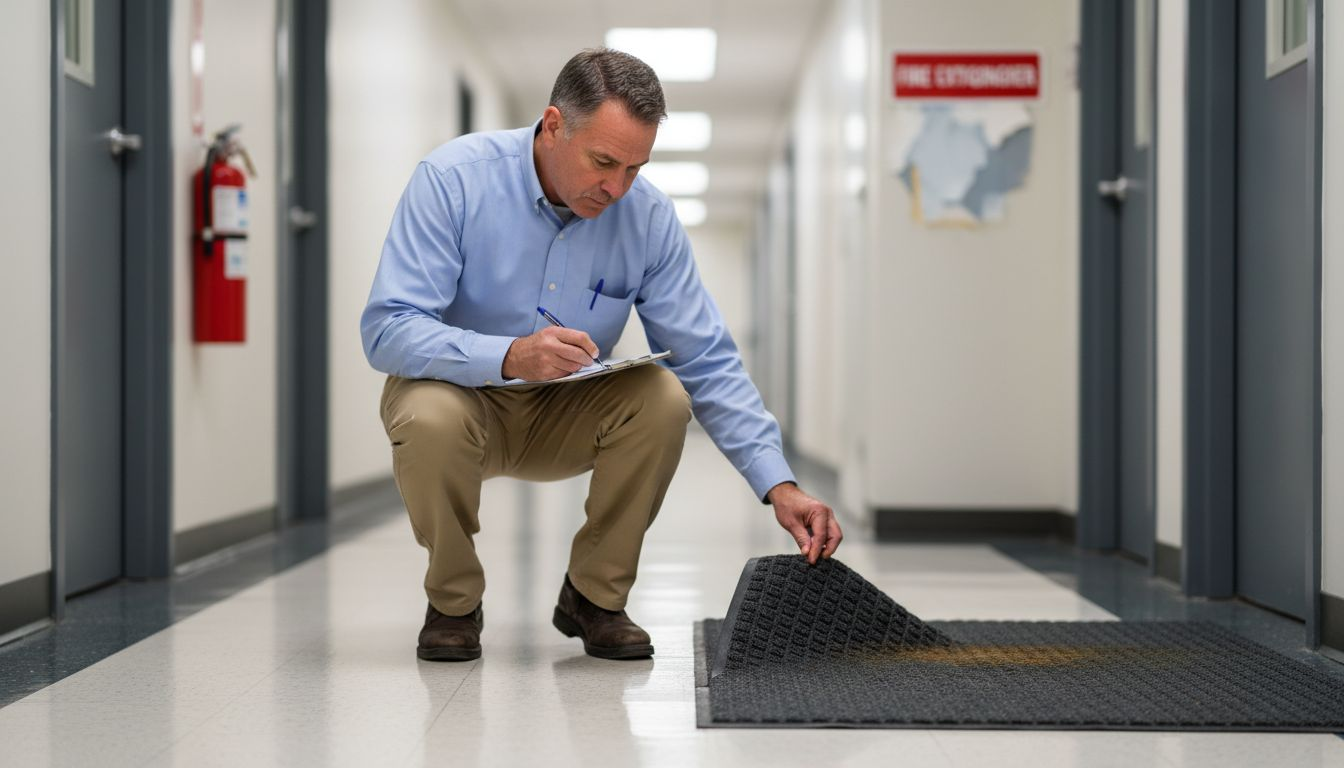
Deep clean every 1-3 months depending on soil levels and facility usage patterns. Office buildings with moderate foot traffic typically manage with quarterly deep cleaning. Retail spaces or gyms with heavier traffic need monthly attention. Monitor mat appearance; visible dirt buildup or matted fibers signal overdue cleaning.
Regularly inspect mats for wear, damage, or retained odors. Frayed edges or loose fibers indicate cleaning methods may be too aggressive. Persistent odors despite cleaning suggest inadequate drying or mold growth, requiring process adjustments.
Seasonal adjustments optimize maintenance. Winter months bring salt, sand, and moisture, demanding increased cleaning frequency. Spring and fall see moderate soil levels, allowing standard schedules. Summer typically requires least frequent deep cleaning unless facilities host special events.
Key scheduling guidelines:
- Vacuum high traffic mats weekly, moderate traffic mats bi weekly
- Deep clean high traffic mats monthly, moderate traffic quarterly
- Inspect mats bi weekly for visible wear or odor
- Increase cleaning frequency 50% during winter months
- Schedule deep cleaning during low occupancy periods to minimize disruption
For facilities managing multiple mat types, explore insights from the commercial mat cleaning business guide to streamline operations across different materials.
Common mistakes and how to avoid them
Facility managers often damage mats through well intentioned but incorrect cleaning practices. Recognizing these errors prevents costly replacements and maintains mat performance.
Using bleach or harsh chemicals tops the mistake list. Bleach weakens polypropylene fibers, causing brittleness and accelerated wear. Ammonia similarly degrades material structure while releasing harmful fumes. Always choose pH neutral, mild detergents designed for synthetic materials.
Skipping pre cleaning vacuuming embeds dirt deeper during scrubbing. Wet dirt becomes abrasive paste that grinds into fibers, creating permanent staining and texture loss. Vacuum thoroughly before any wet cleaning.
Incomplete rinsing leaves detergent residues that act as dirt magnets. Mats appear clean initially but soil rapidly within days. Rinse until water runs completely clear, checking multiple times.
Improper drying destroys mat shape and encourages mold. Leaning mats against walls causes curling that never fully reverses. Folding wet mats creates permanent creases and fiber damage. Always dry flat in well ventilated spaces.
Over aggressive scrubbing pulls and frays fibers. While embedded dirt requires pressure, excessive force damages the mat faster than it cleans. Use moderate, consistent pressure with soft bristle brushes.
Common mistakes to avoid:
- Never use bleach, ammonia, or harsh alkaline cleaners on polypropylene
- Always vacuum before wet cleaning to remove loose debris
- Rinse thoroughly until no detergent residue remains
- Dry mats flat, never leaned or folded
- Avoid stiff wire brushes that fray synthetic fibers
- Do not use hot water above 120°F, which can warp rubber backing
Pro Tip: Document your cleaning process with photos and notes for the first few cycles. This creates a reference guide for staff and helps identify which techniques work best for your specific mat models and facility conditions.
For detailed guidance on avoiding common pitfalls, review advice on how to clean Waterhog mats that addresses frequent facility management challenges.
Alternative cleaning approaches and their tradeoffs
Facility managers can choose from several cleaning methods, each with distinct advantages and limitations. Understanding these tradeoffs helps match cleaning approaches to budget, facility size, and operational constraints.
Manual cleaning offers maximum control and requires minimal equipment investment. You dictate pressure, detergent concentration, and drying conditions. However, manual methods are labor intensive, consuming 45-60 minutes per mat including drying time. For facilities with numerous mats, labor costs quickly escalate.
Industrial machine washing accelerates cleaning by 30%, completing cycles in 30-40 minutes. Commercial washing machines handle multiple mats simultaneously, ideal for large facilities. The tradeoff involves equipment access and cost. Machines require significant upfront investment or rental fees, and improper settings can damage mats through excessive agitation or heat.
Professional commercial cleaning services deliver best results with specialized equipment and expertise. Services extend mat lifespan significantly through optimal cleaning and restoration techniques. Costs run higher, typically $15-30 per mat depending on size and service frequency. For facilities prioritizing appearance and longevity, professional services justify the expense.
| Method | Speed | Control | Cost | Best For |
|---|---|---|---|---|
| Manual cleaning | Slow (45-60 min/mat) | High | Low ($5-10 in supplies) | Small facilities, budget conscious operations |
| Machine washing | Fast (30-40 min/mat) | Medium | Medium ($200-500 equipment rental) | Large facilities with multiple mats |
| Professional service | Varies | Low | High ($15-30/mat) | Facilities prioritizing appearance and lifespan |
Consider facility size when selecting methods. Buildings with 5-10 mats manage well with manual cleaning. Facilities with 20+ mats benefit from machine washing or professional services to maintain consistent schedules without overwhelming staff.
Budget constraints matter. Manual cleaning minimizes immediate costs but increases labor time. Professional services maximize results but require ongoing budget allocation. Balance short term savings against long term mat replacement costs.
Key comparison points:
- Manual cleaning suits smaller facilities with limited mat inventory
- Machine washing works for large facilities with equipment access
- Professional services deliver best restoration for high visibility areas
- Hybrid approaches, using manual for routine maintenance and professional for deep cleaning, optimize cost and results
Explore comprehensive strategies through the commercial floor mat cleaning service guide to evaluate which approach fits your facility’s unique needs.
Expected outcomes: how to measure cleaning success
Effective cleaning produces visible and functional improvements that validate your maintenance approach. Establish clear benchmarks to assess whether your methods preserve mat quality and extend lifespan.
Mats should show no visible dirt, stains, or discoloration post cleaning. Fibers return to their original texture and color, appearing fresh and uniform. Any persistent staining indicates insufficient scrubbing or detergent concentration, requiring process adjustments.
Fiber integrity remains intact after multiple cleaning cycles. Examine mat surfaces closely for fraying, pulled fibers, or thinning areas. Proper cleaning preserves fiber structure without visible wear. Damage signals overly aggressive scrubbing or harsh chemical use.
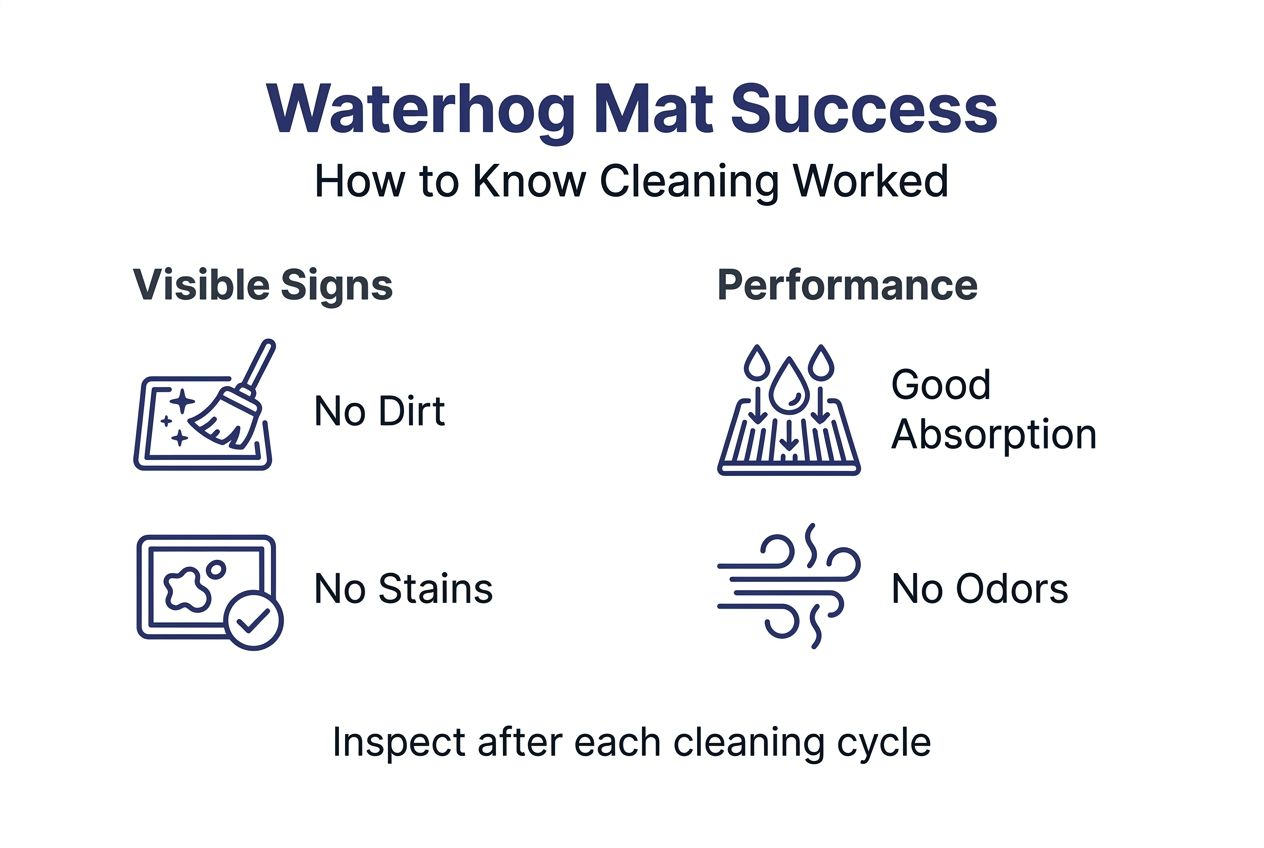
No mold, mildew, or unpleasant odors develop after drying. Mats should smell neutral or slightly like detergent initially, with no musty or sour scents. Persistent odors indicate incomplete drying or mold growth, requiring improved ventilation or faster drying processes.
Water trapping capacity should match or exceed pre cleaning performance. Test by pouring water onto cleaned mats; liquid should absorb quickly without runoff. Reduced absorption suggests detergent residue or fiber damage affecting functionality.
Proper care extends mat lifespan by 12-18 months compared to neglected mats. Track replacement intervals across your facility. Consistently maintained mats last 3-5 years in high traffic areas, while poorly maintained mats require replacement in 18-24 months.
Success indicators:
- Zero visible dirt or staining post cleaning
- Intact fibers with no fraying or thinning
- Neutral scent without mold or mildew odors
- Maintained water absorption matching original performance
- Extended replacement intervals by 12-18 months
Document cleaning dates and mat conditions in a maintenance log. This tracks which mats need more frequent attention and validates your cleaning schedule effectiveness.
For additional performance benchmarks, reference guidance on how to clean a Waterhog mat that outlines expected results and quality standards.
Enhance your facility with premium mats from Mats4U
Maintaining clean mats delivers maximum value when paired with quality products designed for commercial durability. Mats4U offers a comprehensive range of WaterHog mats engineered for high traffic environments, combining functionality with professional appearance. The WaterHog Max herringbone mat features enhanced water retention and stylish texture, ideal for lobbies and entryways. Facilities seeking branded solutions benefit from premium custom floor mats that display company logos while providing Waterhog performance. Investing in quality mats complements your cleaning routines, ensuring long term appearance and safety that reflect positively on your facility management standards.
FAQ
How often should I deep clean LL Bean Waterhog mats in a commercial setting?
Deep clean every 1-3 months depending on foot traffic levels and visible soil accumulation. High traffic areas like building entrances require monthly attention, while moderate traffic zones manage well with quarterly cleaning. Increase frequency by 50% during winter months when salt and moisture loads rise significantly.
Can I use bleach or ammonia to clean Waterhog mats safely?
Never use bleach or ammonia on Waterhog mats, as these chemicals degrade polypropylene fibers and reduce mat lifespan by 40-50%. Stick to pH neutral, mild detergents diluted to 1-2% concentration in warm water. These formulas clean effectively without compromising fiber strength or rubber backing integrity.
What is the best way to dry Waterhog mats after cleaning?
Dry mats flat within two hours on a clean surface in a well ventilated area to prevent mold and curling. Never lean mats against walls or fold them wet, as this creates permanent deformation. Position fans to increase airflow if drying indoors, or use shaded outdoor spaces to avoid UV damage during the drying process.
What detergent concentration works best for Waterhog mat cleaning?
Use mild detergent diluted to 1-2% concentration in warm water between 90-110°F. This balance removes embedded dirt without leaving residues or damaging fibers. Stronger concentrations do not improve cleaning and require extensive rinsing, while weaker solutions fail to break down grime effectively in commercial environments.


