


Wet floors and frequent spills are a reality in every busy commercial kitchen across the United States. Facility managers know that choosing the right floor covering is essential for preventing workplace accidents and protecting staff. Durable, non-slip runner mats offer a reliable solution by creating stable, slip-resistant surfaces that minimize fall risks and enhance safety in high-traffic food preparation areas. Discover which features and materials make the biggest impact on kitchen safety and longevity.
Table of Contents
- Defining Non Slip Kitchen Runner Mats
- Types And Material Options Explained
- Essential Features And Performance Factors
- Safety Standards And Compliance In The USA
- Installation, Maintenance, And Cost Considerations
Key Takeaways
| Point | Details |
|---|---|
| Safety Importance | Non slip kitchen runner mats are essential for minimizing slip and fall risks in kitchens, enhancing worker safety in both commercial and residential settings. |
| Material Choices | Selecting the right materials, such as rubber for high-traffic areas or foam for comfort, is critical for performance and durability. |
| Maintenance Practices | Regular inspections and maintenance, including cleaning and monitoring for wear, are necessary to uphold safety standards and performance. |
| Compliance Necessity | Adhering to safety regulations and standards is vital to ensure the mats provide adequate slip resistance and minimize workplace injury risks. |
Defining Non Slip Kitchen Runner Mats
Non slip kitchen runner mats represent specialized safety solutions designed to mitigate slip and fall risks in commercial and residential kitchen environments. These innovative floor coverings are engineered to provide critical traction and stability on potentially hazardous surfaces where spills, grease, and moisture can create dangerous walking conditions.
Understanding the fundamental purpose of these mats requires examining their core design characteristics. Preventing workplace accidents involves strategic interventions like non slip kitchen runner mats that interrupt potential hazard zones. These specialized mats typically feature:
- Textured surface patterns that increase friction
- Raised edges to contain potential liquid spills
- Durable materials resistant to kitchen chemicals and temperatures
- Flexible construction allowing seamless floor coverage
- Drainage channels to redirect liquids
The science behind non slip kitchen runner mats centers on friction management. By creating surfaces with higher coefficient of friction, these mats dramatically reduce the likelihood of accidental slips. Commercial kitchens, food processing facilities, and home cooking spaces all benefit from strategically placed runner mats that transform potentially treacherous floor areas into safer walking zones.
Commercial applications are particularly critical, where worker safety regulations and liability concerns make slip prevention paramount. Minimizing slip hazards through targeted mat placement can significantly reduce workplace injury incidents and associated financial risks.
Pro tip: Inspect and replace non slip kitchen runner mats annually to maintain optimal safety performance and traction integrity.
Types and Material Options Explained
Kitchen runner mats come in a diverse array of materials, each engineered to address specific safety and functional requirements in commercial and residential kitchen environments. Material selection plays a crucial role in determining the mat’s performance, durability, and slip resistance.
The primary material categories for non slip kitchen runner mats include:
-
Rubber Mats: Excellent for high-traffic areas
- Superior grip and traction
- Chemical and heat resistant
- Excellent shock absorption
-
Vinyl Mats: Ideal for moisture-prone environments
- Easy to clean
- Lightweight and flexible
- Good for tracking liquid spills
-
Foam Mats: Perfect for reducing worker fatigue
- Cushioned surface
- Soft underfoot
- Reduces physical strain during long standing periods
Hybrid mat designs combine multiple materials to maximize performance. Specialized mat technologies enable manufacturers to create complex surfaces that balance safety, comfort, and durability. These advanced materials often incorporate textured surfaces, raised edges, and drainage channels to enhance slip prevention.
Commercial kitchen environments demand high-performance materials that withstand intense use, frequent cleaning, and potential chemical exposures. Rubber-backed mats with textured surfaces remain the gold standard for maintaining worker safety and minimizing workplace injury risks.
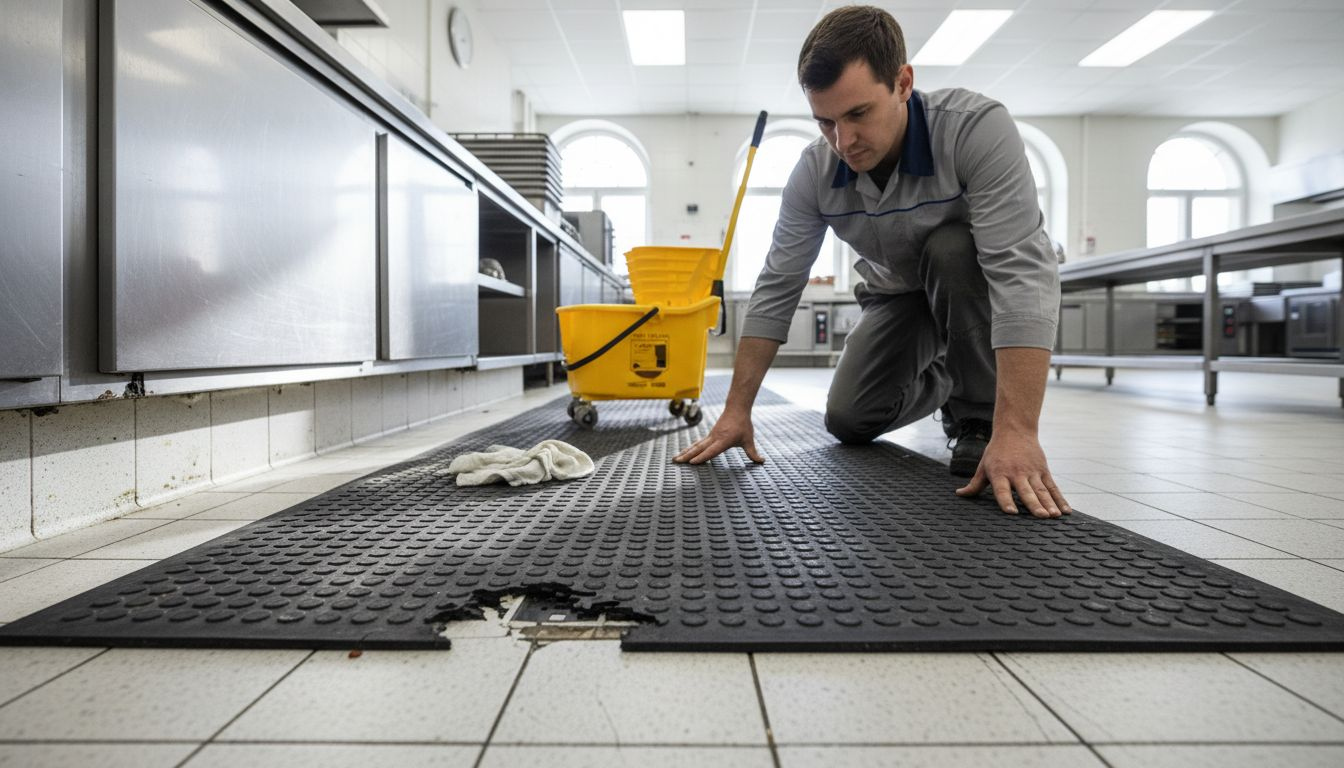
Here’s a quick comparison of common kitchen runner mat materials and their suitability for various environments:
| Material Type | Best For | Durability | Safety Benefit |
|---|---|---|---|
| Rubber | High-traffic commercial areas | Excellent, lasts years | Maximizes grip, resists chemicals |
| Vinyl | Moisture-prone kitchens | Good, easy to clean | Contains spills efficiently |
| Foam | Worker comfort zones | Moderate, needs frequent replacement | Cushions joints, reduces fatigue |
| Hybrid | Versatile applications | Very high, multi-layered | Balances comfort with slip resistance |
Pro tip: Select kitchen runner mats with multilayered construction to ensure maximum durability and long-term safety performance.
Essential Features and Performance Factors
Non slip kitchen runner mats are engineered with multiple critical features that go far beyond simple floor coverage. Performance factors encompass comprehensive safety considerations designed to protect workers and minimize workplace accidents in high-risk kitchen environments.
Key performance characteristics include:
-
Slip Resistance
- High-friction surface design
- Consistent traction under wet conditions
- Predictable grip performance
-
Ergonomic Support
- Cushioned underlay
- Shock absorption
- Reduced physical strain during extended standing
-
Durability Factors
- Chemical resistance
- Temperature tolerance
- Ability to withstand heavy foot traffic
Safety Standards Compliance represents another crucial element in mat performance. Workplace safety regulations mandate specific friction coefficients and placement requirements to minimize potential hazards. Mats must not only provide slip resistance but also remain securely positioned to prevent additional tripping risks.
Modern kitchen runner mats incorporate advanced technologies that transform workplace safety. Engineered surfaces with precision-designed drainage channels, raised borders, and strategic texture patterns create comprehensive protection systems that address multiple potential risk factors simultaneously.
These essential performance factors help evaluate a mat’s impact on kitchen safety and productivity:
| Factor | Worker Impact | Safety Benefit | Maintenance Need |
|---|---|---|---|
| Slip Resistance | Reduces accidents | Prevents falls | Check friction quarterly |
| Ergonomics | Less fatigue | Promotes health | Inspect for flattening |
| Durability | Lower replacement cost | Reliable protection | Deep clean monthly |
| Standards Compliance | Meets regulations | Validates safety | Document inspections |
Pro tip: Conduct quarterly visual inspections of kitchen runner mats to identify potential wear, curling edges, or reduced traction that might compromise safety performance.
Safety Standards and Compliance in the USA
Non slip kitchen runner mats in the United States are subject to rigorous safety regulations designed to protect workers and minimize workplace accidents. National safety standards play a critical role in defining the performance requirements for these essential safety products.
Key compliance requirements include:
-
OSHA Guidelines
- Minimum friction coefficient standards
- Prevention of additional tripping hazards
- Regular maintenance documentation
-
ANSI Standards
- Specific slip resistance measurements
- Surface texture requirements
- Installation and placement protocols
-
Insurance Compliance
- Documented safety feature verification
- Regular safety inspections
- Risk mitigation documentation
Workplace safety regulations mandate comprehensive testing and documentation to ensure non slip kitchen runner mats meet stringent performance criteria. Commercial facilities must demonstrate that their floor mats provide consistent traction, remain securely positioned, and do not create additional workplace risks.
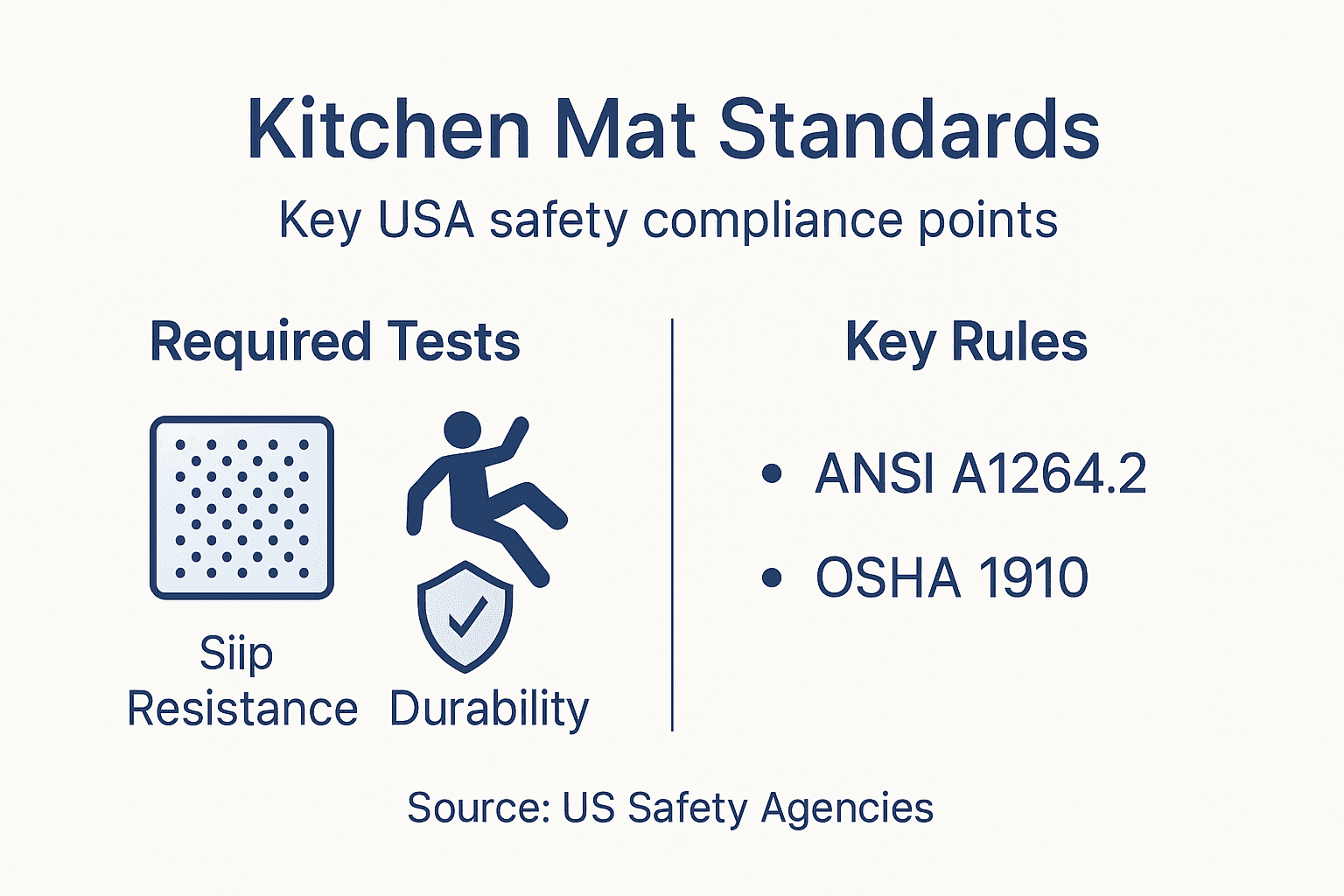
The legal landscape surrounding workplace safety is complex and evolving. Facility managers must stay current with changing regulations, understanding that compliance is not just about meeting minimum standards but actively protecting workers from potential injury risks. Proactive safety management involves regular mat inspections, documentation, and continuous improvement of floor safety protocols.
Pro tip: Maintain a detailed log of mat inspections, replacements, and performance assessments to demonstrate ongoing commitment to workplace safety standards.
Installation, Maintenance, and Cost Considerations
Professional installation and ongoing maintenance of non slip kitchen runner mats are critical components of their long-term safety and performance. Proper mat installation techniques require meticulous attention to surface preparation and strategic placement to maximize workplace safety.
Key installation and maintenance steps include:
-
Surface Preparation
- Ensure completely clean, dry surface
- Remove existing debris or residue
- Check floor levelness before placement
-
Installation Protocols
- Use non-slip backing or adhesive strips
- Verify mat lies completely flat
- Eliminate potential edge curling risks
-
Regular Maintenance
- Daily visual inspection
- Prompt spill cleanup
- Periodic deep cleaning
Safety mat maintenance strategies emphasize the importance of routine cleaning and debris removal to maintain optimal slip resistance. Commercial facilities must balance initial mat investment with long-term safety benefits, recognizing that quality mats can significantly reduce potential workers’ compensation claims and workplace injury expenses.
Cost Considerations extend beyond the initial purchase price. Facility managers should evaluate total lifecycle expenses, including maintenance, replacement frequency, and potential injury prevention savings. A high-quality non slip kitchen runner mat represents an investment in workplace safety, with potential returns measured in reduced accident rates and improved employee protection.
Pro tip: Develop a structured maintenance log to track mat performance, cleaning schedules, and replacement intervals, ensuring consistent safety standards.
Enhance Kitchen Safety with Reliable Non Slip Runner Mats
The risk of slips and falls in busy American kitchens is a pressing safety challenge that demands immediate attention. This article highlights how using specialized non slip kitchen runner mats significantly reduces workplace accidents by improving traction, durability, and ergonomic support under demanding conditions. If you want to protect your staff and customers from injury while adhering to strict safety standards, finding the right floor mat solution is critical.
At Mats4U.com, we understand these safety concerns and offer a wide range of Commercial Mats engineered to meet high performance slip resistance requirements in kitchen environments. Our mats are designed for durability, comfort, and chemical resistance to keep your workplace compliant and accident-free. Explore our options including custom solutions and essential Accessories to maintain optimum mat functionality. Don’t wait until an accident occurs take decisive action today to fortify your kitchen’s safety by visiting Mats4U.com and selecting your ideal non slip kitchen runner mat now.
Frequently Asked Questions
What are non slip kitchen runner mats designed for?
Non slip kitchen runner mats are specifically designed to reduce slip and fall risks in kitchens by providing traction and stability on potentially hazardous surfaces where spills, grease, and moisture can occur.
How do I ensure my non slip kitchen runner mat is effective?
To maintain effectiveness, it’s essential to regularly inspect the mat for wear and tear, clean it frequently to remove potential slip hazards, and replace it annually to ensure optimal safety performance.
What materials are commonly used in non slip kitchen runner mats?
Common materials include rubber for high-traffic areas, vinyl for moisture-prone environments, foam for comfort, and hybrid designs that combine multiple materials to balance durability and slip resistance.
What safety standards should non slip kitchen runner mats comply with?
Non slip kitchen runner mats should comply with OSHA guidelines, ANSI standards for slip resistance, and insurance compliance requirements, which mandate specific friction coefficients and regular maintenance documentation.
Recommended
- Slip Resistant Mats Kitchen: Reducing Injuries and Costs – Mats4U USA
- Non Slip Kitchen Rugs – Boosting Safety in Busy Workspaces – Mats4U USA
- Anti Slip Kitchen Floor Mats: Ensuring Safety in Hospitality – Mats4U USA
- How to Install and Maintain a Kitchen Slip Mat for Safety – Mats4U USA
- Surface Cleaner Waterline Cleaner - ClearSpa™


