


Slip hazards and tired feet are daily realities for facility managers working in commercial kitchen environments across the United States. The right floor mat can turn these challenges into advantages by providing durable support and slip resistance while keeping workers comfortable during demanding shifts. This guide explains how specialized rubber backed kitchen mats combine advanced materials and design features to deliver lasting performance, helping you create safer, more ergonomic spaces where your team thrives.
Table of Contents
- Rubber Backed Kitchen Mats Explained
- Types of Rubber Backed Kitchen Mats
- Key Features Supporting Commercial Kitchens
- Safety, Hygiene, and Ergonomics Benefits
- Cost Factors and Maintenance Insights
- Alternatives to Rubber Backed Kitchen Mats
Key Takeaways
| Point | Details |
|---|---|
| Safety Features | Rubber backed kitchen mats offer exceptional slip resistance and ergonomic support, reducing workplace injuries in kitchens. |
| Types of Mats | Different mat types cater to specific kitchen needs, such as anti-fatigue and drainage channel mats for various working conditions. |
| Maintenance Importance | Regular inspections and proactive replacements are crucial to maintain safety and performance standards in kitchen environments. |
| Alternative Options | Sustainable alternatives to rubber backed mats, like cork or recycled plastic, can provide effective solutions while addressing environmental concerns. |
Rubber Backed Kitchen Mats Explained
Rubber backed kitchen mats represent a critical safety and comfort solution for facility managers and kitchen workers who spend extended periods standing on hard surfaces. These specialized mats are engineered to provide both slip resistance and ergonomic support, using advanced elastomer technologies that deliver superior performance in challenging kitchen environments.
The fundamental design of rubber backed kitchen mats incorporates two primary components: a top surface that provides cushioning and a specialized rubber backing that ensures stability. These mats utilize natural or synthetic rubber materials designed to create a non-slip foundation that grips floor surfaces effectively. Key performance features include:
- Exceptional slip resistance
- Shock absorption for reduced worker fatigue
- Durability in high-traffic kitchen zones
- Protection of underlying floor surfaces
- Temperature and moisture resistance
Manufacturers typically construct these mats using multiple layers that work synergistically to enhance workplace safety. The top layer often features specialized texturing or ergonomic design elements that distribute body weight more evenly, while the rubber backing provides critical anti-slip properties to prevent dangerous workplace accidents. This multilayered approach transforms a simple floor covering into an essential safety tool for commercial kitchens.
Pro tip: Always inspect rubber backed kitchen mats quarterly for wear and potential slip hazards, replacing them immediately if significant deterioration is detected.
Types of Rubber Backed Kitchen Mats
Commercial kitchen environments require specialized rubber backed mats that offer distinct performance characteristics tailored to unique workplace demands. Different rubber formulations provide facility managers with a range of options to address specific safety and ergonomic requirements in high-traffic food preparation areas.
The primary categories of rubber backed kitchen mats include:
- Natural Rubber Mats: Derived from latex sap, offering superior elasticity and cushioning
- Synthetic Rubber Mats: Engineered for enhanced chemical and heat resistance
- Polyurethane Rubber Mats: Blended materials providing advanced durability
- Anti-Fatigue Rubber Mats: Designed with specialized ergonomic features for extended standing
- Drainage Channel Mats: Featuring specialized surface designs for moisture management
Synthetic rubber variants like styrene-butadiene rubber (SBR) and butyl rubber provide exceptional performance in commercial settings. These specialized elastomer technologies deliver critical benefits including resistance to temperature fluctuations, chemical exposure, and mechanical wear. The selection process involves carefully evaluating each mat’s specific properties against the unique demands of different kitchen environments.
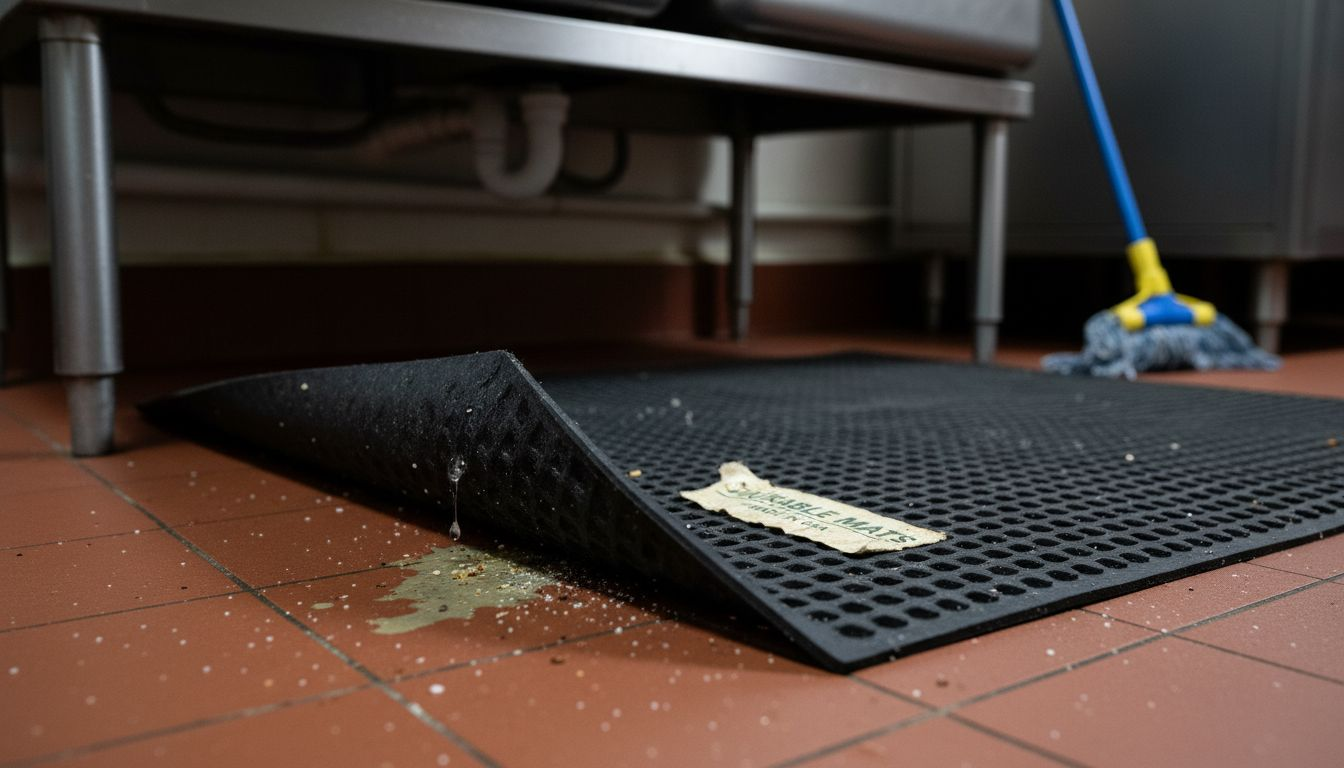
Manufacturers continue to innovate, developing rubber backed kitchen mats that combine multiple performance characteristics. Modern mats often integrate advanced features like enhanced grip surfaces, antimicrobial treatments, and specialized cushioning technologies to provide comprehensive workplace safety solutions.
Here’s a quick comparison of major kitchen mat types and their ideal applications:
| Mat Type | Ideal Environment | Unique Benefit |
|---|---|---|
| Natural Rubber | Low to moderate traffic | Maximum cushioning and elasticity |
| Synthetic Rubber (SBR) | High-traffic, commercial | Strong chemical and heat resistance |
| Polyurethane Rubber | Busy kitchens, tough zones | Extreme durability |
| Anti-Fatigue Rubber | Workstations, long shifts | Reduces muscle stress |
| Drainage Channel | Wet areas, cleaning stations | Superior moisture management |
Pro tip: Conduct a thorough assessment of your specific kitchen environment before selecting a rubber backed mat, considering factors like moisture levels, temperature ranges, and typical foot traffic patterns.
Key Features Supporting Commercial Kitchens
Commercial kitchen environments demand specialized floor mats that go far beyond simple surface coverings. Critical safety features are essential for protecting workers and maintaining operational efficiency in high-stress culinary settings.
The most important features of commercial kitchen mats include:
- Slip Resistance: Preventing accidents on wet and greasy surfaces
- Ergonomic Cushioning: Reducing worker fatigue during long shifts
- Chemical Resistance: Withstanding exposure to cleaning agents and food spills
- Thermal Durability: Maintaining performance under temperature extremes
- Easy Cleaning: Supporting rigorous hygiene standards
- Drainage Capabilities: Managing liquid accumulation effectively
Advanced mat design technologies address multiple challenges simultaneously. Modern rubber backed kitchen mats incorporate specialized materials that resist absorption of contaminants, provide shock absorption, and create a stable work surface. These engineering innovations transform what was once a simple floor covering into a sophisticated workplace safety solution.
Manufacturers continue pushing design boundaries, developing mats that integrate multiple protective features. The most effective mats now combine ergonomic support, safety enhancements, and hygienic properties, creating comprehensive solutions that protect both workers and workplace environments.
Pro tip: Regularly inspect kitchen mats for signs of wear, replacing them proactively to maintain optimal safety and performance standards.
Safety, Hygiene, and Ergonomics Benefits
Commercial kitchen environments demand comprehensive floor solutions that protect workers and maintain operational standards. Ergonomic workplace strategies reveal how specialized rubber backed mats can dramatically improve worker health and safety.
The critical benefits of these mats encompass multiple dimensions:
- Physical Stress Reduction: Minimizing joint and muscle strain
- Slip Hazard Prevention: Creating secure walking surfaces
- Hygienic Surface Design: Supporting easy cleaning protocols
- Posture Support: Encouraging proper body alignment
- Impact Absorption: Reducing cumulative physical stress
Modern workplace ergonomics research demonstrates that strategic mat selection can significantly lower musculoskeletal injury risks. These mats act as critical intervention tools, transforming hard kitchen floors from potential injury zones into protective work surfaces. By distributing body weight more evenly and providing shock absorption, they help prevent chronic conditions associated with prolonged standing.
Advanced mat technologies now integrate multiple protective features, combining safety, comfort, and hygiene into a single solution. This holistic approach addresses worker well-being by creating environments that actively support physical health while maintaining stringent cleanliness standards required in food preparation areas.
Pro tip: Conduct quarterly ergonomic assessments of kitchen floor mats, checking for wear, compression, and potential slip risks to maintain optimal worker safety.
Cost Factors and Maintenance Insights
Investing in high-quality rubber backed kitchen mats requires understanding the complex interplay between initial purchase price and long-term operational costs. Cost management strategies reveal that strategic selection can significantly impact a facility’s budget and workplace safety.
Key cost considerations for rubber backed kitchen mats include:
- Initial Purchase Price: Varies based on material quality and features
- Durability: Higher-quality mats offer longer service life
- Replacement Frequency: Directly influenced by maintenance practices
- Cleaning Requirements: Regular maintenance impacts total cost of ownership
- Performance Longevity: Investment in premium mats reduces frequent replacements
Advanced rubber mat technologies demonstrate that higher upfront costs often translate to substantial long-term savings. These mats reduce workplace injury risks, minimize cleaning time, and provide consistent performance under challenging kitchen conditions. The most cost-effective solutions balance initial investment with proven durability, focusing on mats that maintain structural integrity and safety features over extended periods.
Maintenance plays a critical role in maximizing mat performance and economic value. Facility managers should implement systematic cleaning protocols, regularly inspect mats for wear, and replace them proactively to prevent potential safety hazards. This approach transforms mat management from a simple purchasing decision into a strategic investment in workplace safety and operational efficiency.
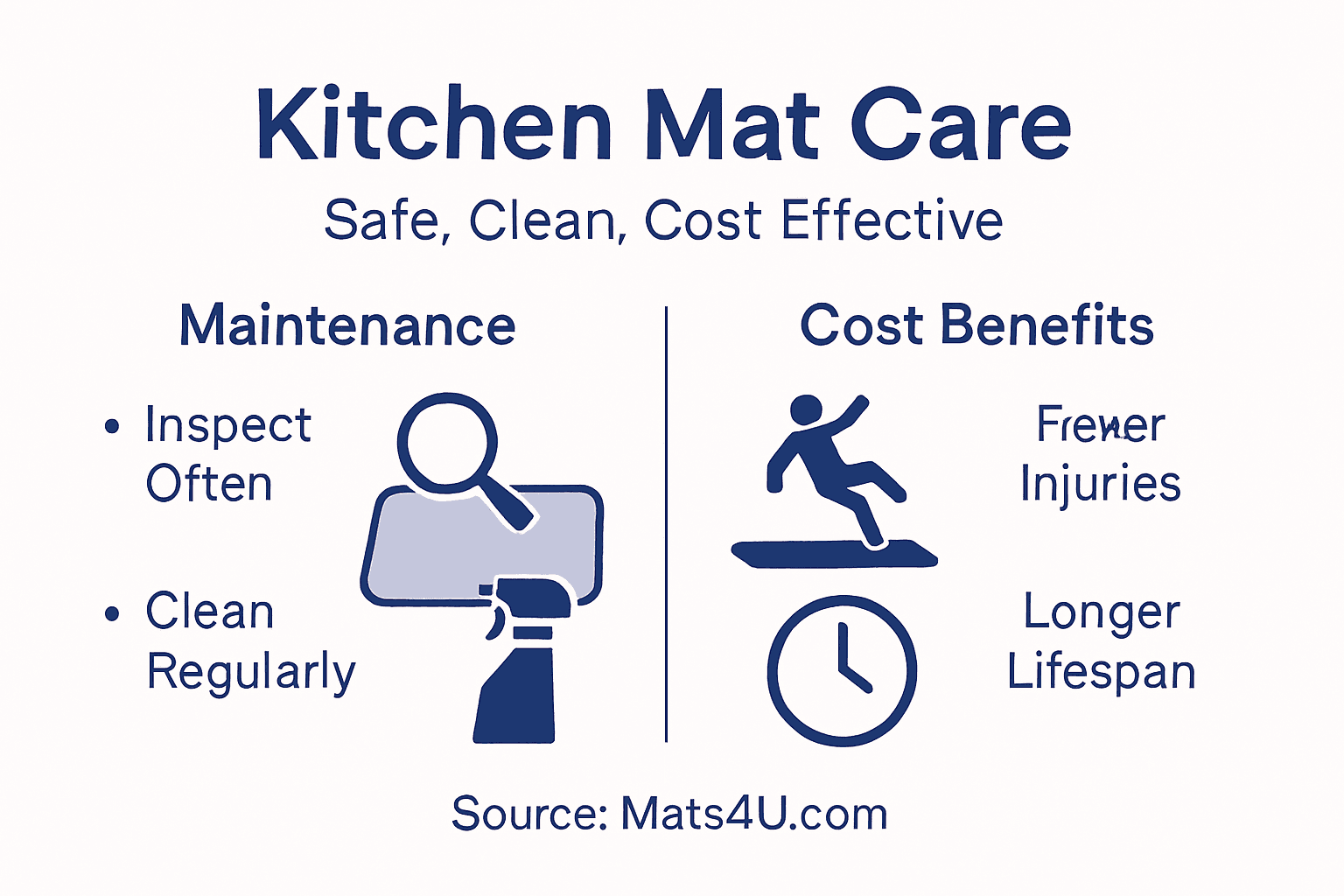
Pro tip: Develop a quarterly mat assessment schedule that tracks wear patterns, cleaning effectiveness, and replacement costs to optimize your long-term floor mat investment strategy.
This summary table highlights the long-term business impact of proper mat maintenance:
| Maintenance Action | Safety Benefit | Financial Impact |
|---|---|---|
| Quarterly inspections | Reduces slip hazards | Lowers injury-related costs |
| Scheduled replacement | Maintains anti-fatigue support | Prevents lost workdays |
| Routine cleaning | Supports hygiene compliance | Reduces cleaning expenses |
Alternatives to Rubber Backed Kitchen Mats
Facility managers seeking alternative floor covering solutions have several compelling options beyond traditional rubber backed kitchen mats. Sustainable material alternatives are increasingly emerging to address environmental concerns and performance requirements in commercial kitchen environments.
Potential alternatives to rubber backed mats include:
- Cork Mats: Eco-friendly and naturally antimicrobial
- Recycled Plastic Mats: Sustainable and durable options
- Silicone-Based Mats: Advanced heat and chemical resistance
- Foam Composite Mats: Enhanced ergonomic cushioning
- Organic Textile Mats: Natural fiber solutions with anti-slip properties
These alternative mat technologies represent innovative approaches to addressing workplace safety and comfort. While each alternative offers unique benefits, they also present specific performance trade-offs compared to traditional rubber backed mats. Silicone and foam options, for instance, may provide superior ergonomic support but potentially lack the same level of durability and slip resistance found in high-quality rubber mats.
Careful evaluation of specific kitchen environment requirements becomes crucial when considering alternative mat solutions. Factors like moisture levels, temperature ranges, cleaning protocols, and anticipated foot traffic will ultimately determine the most appropriate floor covering strategy. Facility managers must balance performance needs, environmental considerations, and long-term operational costs when selecting alternative mat solutions.
Pro tip: Conduct comprehensive performance testing of alternative mat materials in a controlled section of your kitchen before full-scale implementation to validate their suitability.
Enhance Kitchen Safety and Comfort with Premium Mats
Long hours standing on hard floors combined with wet and greasy surfaces present serious challenges in commercial kitchens. This article highlights the essential need for slip resistance, ergonomic cushioning, and durability to protect workers from injury and fatigue. If you are looking to improve safety, reduce slip hazards, and create a comfortable workspace, choosing the right rubber backed kitchen mat is critical.
At Mats4U.com, we understand these unique demands and offer a wide selection of commercial solutions designed to meet them. Explore our Commercial Mats collection for durable, slip-resistant options and browse our Non Slip category to find mats engineered specifically to prevent accidents. Don’t compromise on safety or comfort when you can provide both with mats made in the USA and delivered free on orders over $100.
Take action now to protect your kitchen staff and enhance workplace ergonomics. Visit Mats4U.com today to discover the perfect floor mat tailored to your commercial kitchen needs and ensure a safer, more comfortable work environment.
Frequently Asked Questions
What are rubber backed kitchen mats?
Rubber backed kitchen mats are specialized floor coverings designed to provide slip resistance and ergonomic support for kitchen workers. They feature a cushioned top surface and a rubber backing that grips the floor effectively, enhancing both comfort and safety in commercial kitchens.
How do I maintain rubber backed kitchen mats?
To maintain rubber backed kitchen mats, conduct regular inspections for wear, clean them frequently to support hygiene, and replace any mats that show significant deterioration. A quarterly assessment schedule is recommended to track wear patterns and ensure optimal safety and performance.
What types of rubber backed kitchen mats are available?
There are several types of rubber backed kitchen mats, including natural rubber mats for elasticity, synthetic rubber mats for chemical and heat resistance, polyurethane rubber mats for durability, anti-fatigue mats for ergonomic support, and drainage channel mats for moisture management. Each type serves different workplace needs.
What are the benefits of using rubber backed kitchen mats?
Rubber backed kitchen mats offer numerous benefits, including slip hazard prevention, ergonomic cushioning that reduces fatigue, chemical and thermal resistance, easy cleaning, and effective drainage capabilities. These features help maintain a safe and efficient kitchen environment.
Recommended
- Rubber Floor Mats for Restaurants – Safety and Sanitation – Mats4U USA
- Top Picks for the Best Kitchen Floor Mats in 2024 – Mats4U USA
- How to Find Your Perfect Cushioned Kitchen Floor Mat: An Actionable Gu – Mats4U USA
- Non Slip Kitchen Rugs – Boosting Safety in Busy Workspaces – Mats4U USA
- 7 Onmisbare ondersteunende accessoires stoel voor meer comfort – Finlandic


