


Over 60 percent of American restaurants report slip and fall accidents as a top workplace hazard. For kitchen managers and owners who navigate crowded, fast-paced cooking spaces, reliable protection is not optional. Investing in high-quality rubber floor mats can directly limit injury risk and keep working areas clean. This guide highlights practical solutions that match the unique demands of American restaurant environments, helping you identify the best performing mats for safety, durability, and compliance.
Table of Contents
- Defining Rubber Floor Mats For Restaurants
- Types Of Rubber Mats For Kitchen Environments
- Key Features For Safety And Cleanliness
- Compliance With U.S. Health And Safety Standards
- Cost, Durability, And Mistakes To Avoid
Key Takeaways
| Point | Details |
|---|---|
| Rubber Floor Mats are Essential for Safety | These mats mitigate slip hazards in high-traffic areas, enhancing overall kitchen safety by providing slip-resistant surfaces. |
| Types of Mats Address Specific Needs | Anti-fatigue, drainage, and safety mats fulfill targeted safety and performance challenges in kitchens. |
| Focus on Compliance and Durability | Mats must meet FDA regulations for food safety and be durable enough to withstand heavy use and frequent cleaning. |
| Invest in Quality for Long-Term Savings | High-quality mats reduce replacement frequency and lower potential worker compensation costs, making them more cost-effective over time. |
Defining Rubber Floor Mats for Restaurants
Rubber floor mats are specialized protective surfaces designed specifically for high-traffic restaurant environments. These functional safety solutions serve multiple critical purposes beyond simple floor covering. Restaurant safety experts recognize these mats as essential workplace equipment that mitigates slip hazards and enhances overall kitchen safety.
Typically constructed from durable synthetic rubber materials, these mats provide several key functional benefits. They create slip-resistant surfaces in areas prone to moisture, grease, and potential spills. Restaurant kitchens experience significant foot traffic and liquid exposure, making rubber mats crucial for preventing workplace accidents. The mat’s textured surface helps workers maintain stable footing even in challenging conditions, reducing the risk of potentially serious slip and fall incidents.
The composition of restaurant rubber floor mats involves specialized design considerations. Most feature raised surface patterns that channel liquids away from walking surfaces, creating micro-drainage channels that improve traction. Some advanced models incorporate ergonomic cushioning to reduce worker fatigue during long shifts. Additional design elements might include color contrast for enhanced visibility and strategically placed drainage holes to prevent liquid accumulation.
Here is a summary of the functional impact of common rubber mat features in restaurant kitchens:
| Feature | Purpose | Operational Benefit |
|---|---|---|
| Raised surface texture | Channels liquids off walkways | Reduces slips and falls |
| Ergonomic cushioning | Minimizes worker strain | Boosts staff comfort and energy |
| Color contrast edges | Improves visibility | Prevents trips and accidents |
| Drainage holes | Stops liquid accumulation | Maintains clean, dry floors |
| Antimicrobial material | Resists bacteria growth | Enhances kitchen hygiene |
Pro Tip: When selecting rubber floor mats for restaurant environments, prioritize thickness between 3/8 to 1/2 inch and choose mats with beveled edges to prevent tripping hazards and ensure smooth transitions between floor surfaces.
Types of Rubber Mats for Kitchen Environments
Restaurant kitchens require specialized rubber mat types designed to address specific workplace safety and performance challenges. These mats are engineered to provide targeted solutions for different kitchen areas and potential hazards, ensuring worker safety and operational efficiency.
Three primary categories of rubber mats dominate commercial kitchen environments: anti-fatigue mats, drainage mats, and safety mats. Anti-fatigue mats feature specialized cushioning to reduce physical strain for workers standing for extended periods, typically constructed with layered rubber compounds that absorb shock and provide ergonomic support. Drainage mats incorporate strategic perforations and raised surface patterns that channel liquids away from walking surfaces, preventing potential slip hazards and maintaining a dry work environment.
Safety mats represent the third critical category, focusing on slip resistance and durability. These mats are typically constructed with textured rubber surfaces featuring intricate tread patterns that maximize traction even in greasy or wet conditions. Some advanced models include additional features like chemical resistance, which protects against potential damage from cleaning solutions, oils, and other substances commonly found in commercial kitchen settings. The thickness and composition of these mats can vary, with options ranging from thin, flexible surface coverings to more robust, heavily cushioned models designed for high-traffic areas.
Compare the three main types of restaurant rubber mats at a glance:
| Mat Type | Key Design Focus | Best Used For |
|---|---|---|
| Anti-fatigue | Cushioned, thick surface | Prolonged standing at prep stations |
| Drainage | Raised, perforated design | Wet areas or where liquid spills are common |
| Safety | Textured, durable rubber | Entryways and high-traffic walkways |
Pro Tip: When selecting kitchen rubber mats, always measure your specific workspace dimensions and choose mats with beveled edges to ensure smooth transitions and minimize potential tripping risks.
Key Features for Safety and Cleanliness
Rubber floor mats in restaurant kitchens must meet rigorous safety and sanitation standards that protect both workers and food preparation environments. These specialized mats are engineered to address multiple critical challenges simultaneously, combining worker protection with hygienic performance requirements.
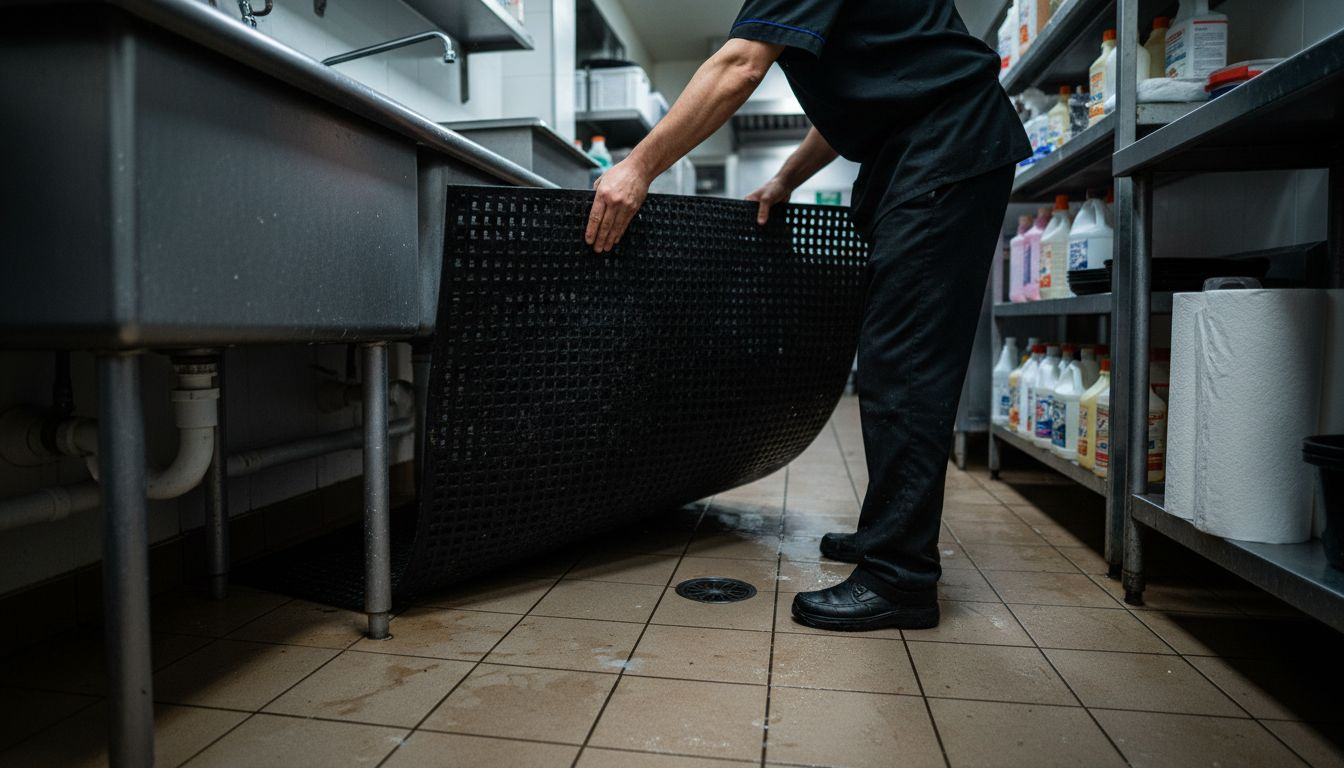
The primary safety features focus on slip resistance and ergonomic design. Slip resistance is achieved through complex surface textures that channel liquids away from walking surfaces, significantly reducing the risk of workplace accidents. Ergonomic considerations include cushioned surfaces that minimize physical strain for workers who spend long hours standing in challenging kitchen environments. These mats typically feature raised patterns and strategic drainage channels that prevent liquid accumulation while providing stable footing.
Hygienic performance represents another crucial aspect of restaurant floor mat design. Mats must be constructed from non-porous materials that resist bacterial growth and can withstand frequent cleaning with industrial sanitizing solutions. The best mats incorporate antimicrobial properties and smooth surfaces that prevent debris and microorganisms from becoming trapped. Advanced models include features like quick-drying surfaces, resistance to chemical degradation, and designs that facilitate thorough cleaning without compromising structural integrity.
Pro Tip: Inspect your kitchen floor mats monthly for signs of wear, chemical damage, or surface breakdown, and replace them proactively to maintain optimal safety and sanitation standards.
Compliance With U.S. Health and Safety Standards
Restaurant rubber floor mats must adhere to stringent FDA regulatory requirements that ensure food safety and workplace protection. These comprehensive standards govern the materials, manufacturing processes, and performance characteristics of floor mats used in commercial food preparation environments.
The primary regulatory framework focuses on material composition and chemical safety. Federal regulations mandate that rubber floor mats must be constructed from food-safe polymers that do not leach harmful chemicals or contaminants. This means every component of the mat, from its base material to surface treatments, must undergo rigorous testing to verify its safety for indirect food contact. Manufacturers must demonstrate that their products can withstand repeated cleaning, resist chemical degradation, and maintain structural integrity without releasing potentially dangerous substances.
Beyond material safety, these standards also address performance requirements related to workplace protection. Compliance involves meeting specific criteria for slip resistance, durability, and hygienic design. Restaurant managers must verify that their floor mats meet Occupational Safety and Health Administration (OSHA) guidelines for workplace safety, including requirements for surface texture, drainage capabilities, and resistance to common kitchen hazards like grease, water, and cleaning chemicals. This comprehensive approach ensures that floor mats not only protect workers from potential accidents but also maintain the highest standards of food safety and sanitation.
Pro Tip: Request full compliance documentation from mat manufacturers and conduct regular visual inspections to ensure your floor mats continue to meet federal safety standards.
Cost, Durability, and Mistakes to Avoid
Understanding the economic and performance aspects of rubber floor mats requires careful consideration of long-term durability factors. Restaurant owners must balance initial purchase costs with the potential expenses associated with frequent replacements, worker compensation claims, and potential health code violations.
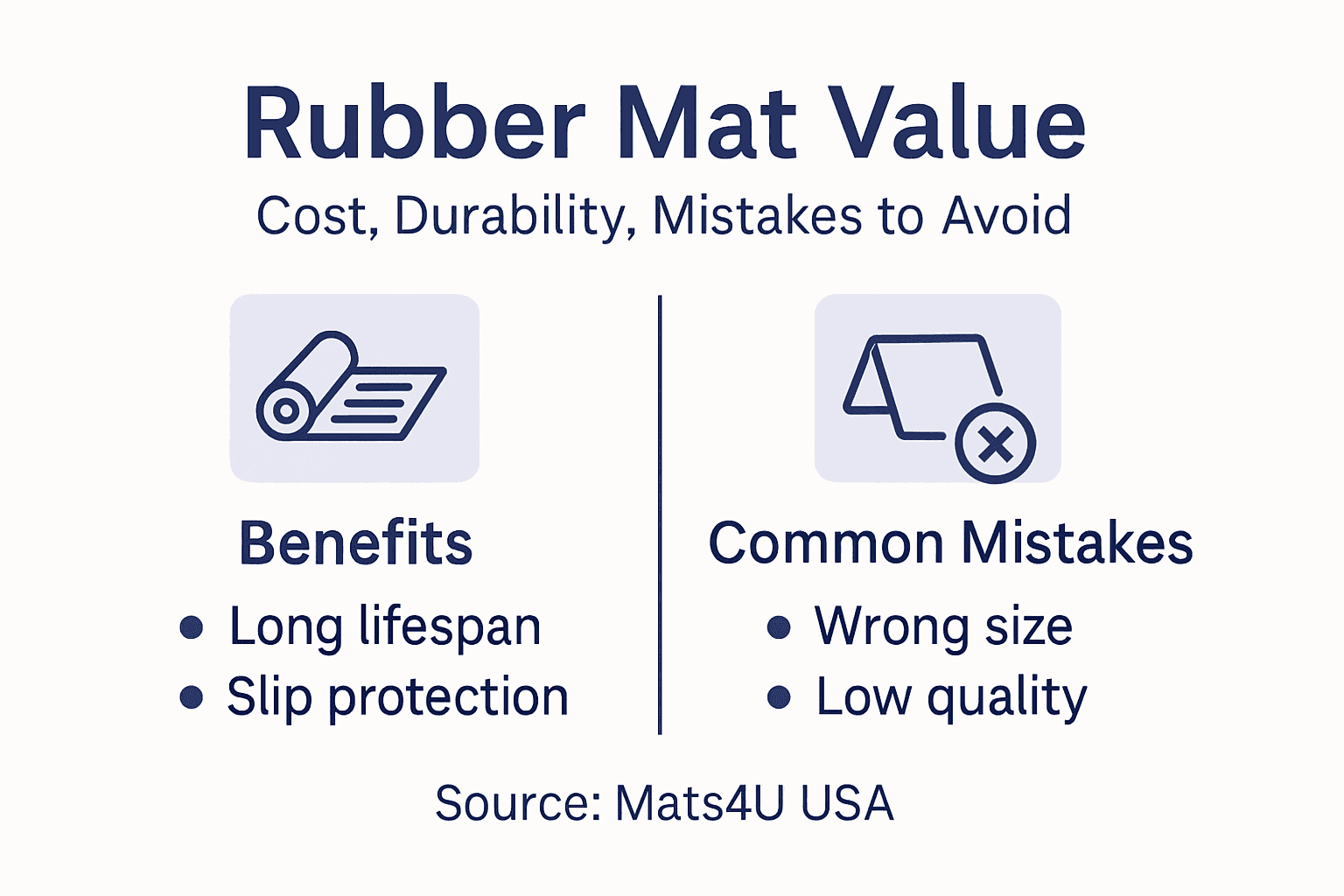
Material quality represents the most critical determinant of both cost-effectiveness and long-term performance. High-quality rubber mats with dense, resilient compositions may initially cost more but ultimately provide significant savings by reducing replacement frequency and minimizing workplace injury risks. Restaurant managers should evaluate mats based on thickness, material density, and resistance to chemical degradation. Cheaper mats often compromise on critical features like slip resistance and cushioning, leading to increased worker fatigue and potential safety incidents.
Common mistakes in mat selection can have substantial financial and operational consequences. Restaurants frequently err by choosing mats that are either too soft, which quickly deteriorate under heavy traffic, or too rigid, which fail to provide adequate ergonomic support. Other critical mistakes include neglecting regular cleaning and inspection schedules, using mats beyond their recommended service life, and failing to replace mats with visible signs of wear such as surface cracking, reduced slip resistance, or structural deformation. These oversights can result in significant workplace safety risks and potential regulatory violations that far exceed the cost of proactive mat maintenance and replacement.
Pro Tip: Calculate the total cost of ownership by considering mat lifespan, replacement frequency, cleaning requirements, and potential worker safety benefits, not just the initial purchase price.
Enhance Restaurant Safety and Sanitation with Premium Rubber Floor Mats
Maintaining a safe and hygienic restaurant environment starts with the right floor mats. This article highlights the critical need for slip-resistant, ergonomic, and antimicrobial rubber mats to prevent workplace accidents and uphold strict sanitation standards. If you want to reduce the risk of slips and falls, minimize worker fatigue, and ensure compliance with U.S. health regulations, you need mats designed specifically for demanding commercial kitchens.
Explore a wide range of durable, high-performance options at Commercial Mats – Mats4U USA. Our mats feature advanced surface textures, ergonomic cushioning, and materials that withstand rigorous cleaning and heavy traffic. Take control of your restaurant’s safety today with mats that protect your employees and your bottom line. Visit Mats4U.com now to find the perfect solution and enjoy competitive pricing with free delivery on orders over $100.
Frequently Asked Questions
What are rubber floor mats for restaurants?
Rubber floor mats for restaurants are specialized protective surfaces designed for high-traffic kitchen environments. They provide slip resistance, enhance safety, and improve overall hygiene.
What are the key features to look for in restaurant rubber floor mats?
Key features include raised surface textures for slip resistance, ergonomic cushioning for comfort, drainage holes to prevent liquid accumulation, and antimicrobial materials to enhance hygiene.
What types of rubber mats are commonly used in restaurant kitchens?
The three main types of rubber mats used in restaurant kitchens are anti-fatigue mats, drainage mats, and safety mats, each designed to address specific challenges related to worker comfort, liquid management, and slip resistance.
How do rubber floor mats comply with health and safety standards?
Rubber floor mats must meet FDA regulatory requirements for food safety, ensuring they are constructed from food-safe materials and designed to prevent slips and maintain hygiene, in accordance with OSHA guidelines.
Recommended
- Restaurant Rubber Floor Mats: Safety and Cleanliness Impact – Mats4U USA
- Understanding Non Slip Restaurant Mats for Safety – Mats4U USA
- Anti Slip Kitchen Floor Mats: Ensuring Safety in Hospitality – Mats4U USA
- 12 Best Non Slip Restaurant Mats for a Safer Kitchen in 2025 – Mats4U USA
- Delovna in zaščitna oprema - Work Foxx


