


Most American facility managers face confusing claims about what truly makes a yoga mat eco-friendly. With demand rising for sustainable wellness spaces, the difference between genuine environmental benefits and greenwashing has never mattered more. Research confirms many mats labeled eco-friendly do not meet rigorous standards for material sourcing, safety, or recyclability. This guide untangles marketing myths and gives commercial property leaders practical facts to make informed, responsible flooring choices.
Table of Contents
- Eco Friendly Yoga Mats Defined and Debunked
- Material Types and Performance Distinctions
- Key Benefits for Commercial Properties
- Safety, Compliance, and Certification Standards
- Comparing Costs and Lifespan With Alternatives
Key Takeaways
| Point | Details |
|---|---|
| Understanding Eco-Friendly Mats | Not all mats labeled as “eco-friendly” provide actual environmental benefits; thorough evaluation of materials and certifications is essential. |
| Material Impact on Performance | The performance of yoga mats varies significantly by material, impacting durability and ecological footprint. Natural materials often outperform synthetics. |
| Safety and Compliance Standards | Rigorous certification standards ensure safety and environmental responsibility, which are crucial for responsible procurement by facility managers. |
| Long-Term Cost Efficiency | Eco-friendly mats may have higher initial costs but offer better durability and lower replacement frequency, ultimately providing greater value over time. |
Eco Friendly Yoga Mats Defined and Debunked
Facility managers seeking sustainable wellness solutions must first understand what truly constitutes an eco-friendly yoga mat. Contrary to popular marketing claims, not all mats labeled “green” deliver genuine environmental benefits. Comprehensive research reveals that authentic eco-friendly yoga mats require careful evaluation across multiple dimensions, including material sourcing, production processes, durability, and end-of-life recyclability.
Traditional yoga mats typically use petroleum-based synthetic materials like PVC, which generate significant environmental waste. In contrast, truly sustainable options incorporate renewable materials such as:
- Natural rubber sourced from responsibly managed forests
- Organic cotton with low-impact manufacturing processes
- Cork harvested through sustainable extraction methods
- Recycled polyester from post-consumer plastic waste
- Plant-based bioplastics with minimal carbon footprint
The marketplace contains numerous misleading claims about mat sustainability. Research indicates that while many manufacturers tout “eco-friendly” credentials, few provide transparent evidence of actual environmental impact. Critically, biodegradability and recyclability vary dramatically between different material compositions, challenging the notion that all alternative materials represent genuine sustainability improvements.
Pro tip: When evaluating eco-friendly yoga mats, request detailed environmental impact documentation from manufacturers, including third-party certifications and specific sustainability metrics.
Material Types and Performance Distinctions
Yoga mat materials significantly impact performance, sustainability, and environmental footprint for wellness facilities. Comprehensive comparative analyses reveal distinct characteristics across multiple material types, each offering unique advantages and ecological considerations for facility managers seeking responsible solutions.
Traditional synthetic materials like PVC, EVA, and NBR dominate the market, but present substantial environmental challenges. These petroleum-based options typically demonstrate poor biodegradability and high carbon emissions during production. In contrast, emerging sustainable materials provide superior alternatives:
- Natural Rubber: Exceptional grip, biodegradable, renewable source
- Cork: Antimicrobial, lightweight, naturally harvested
- Organic Cotton: Low environmental impact, breathable texture
- Recycled Polyester: Reduces plastic waste, moderate durability
- Plant-based Bioplastics: Minimal carbon footprint, innovative manufacturing
Detailed material research indicates performance metrics extend beyond environmental considerations. Facility managers must evaluate factors like grip quality, durability, potential allergen risks, and long-term maintenance requirements. Natural materials often outperform synthetics in grip consistency and user comfort, while simultaneously reducing ecological impact.
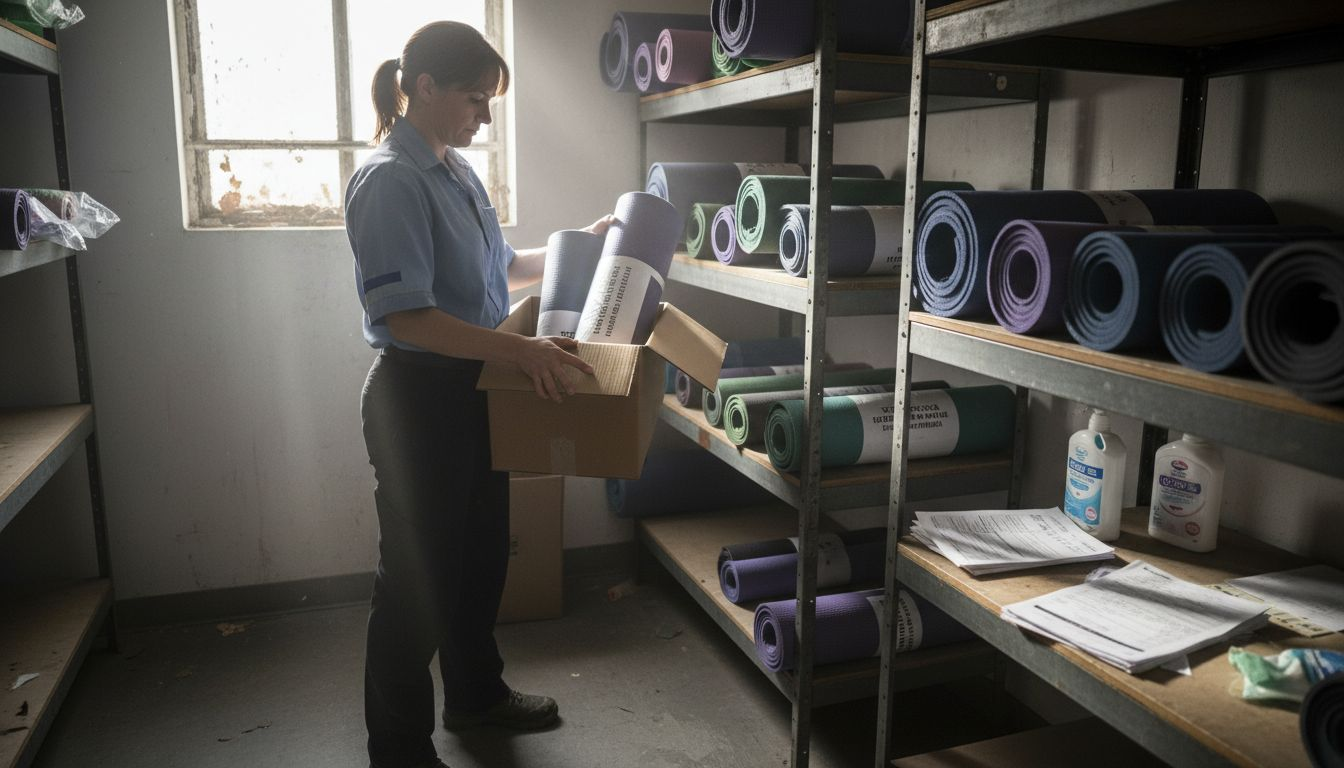
The following table compares the performance and environmental impact of common yoga mat materials for facility managers:
| Material Type | Performance Highlights | Environmental Impact | Maintenance Needs |
|---|---|---|---|
| Natural Rubber | Superior grip, resilient | Fully biodegradable | Occasional surface wiping |
| Cork | Antimicrobial, lightweight | Renewably harvested | Minimal, easy cleaning |
| Organic Cotton | Soft, breathable texture | Low-impact manufacturing | Regular washing required |
| Recycled Polyester | Moderate durability, flexible | Reduces plastic waste | Occasional wiping |
| PVC (Synthetic) | Basic grip, budget friendly | High emissions, non-bio | May retain odors, deep cleaning |
This table provides a quick overview to assist in material selection decisions.
Pro tip: Conduct pilot testing with multiple mat materials to assess real-world performance and user satisfaction before implementing facility-wide sustainable yoga mat solutions.
Key Benefits for Commercial Properties
Commercial properties increasingly recognize the strategic advantages of implementing eco-friendly yoga mats beyond simple environmental considerations. Comprehensive industry analysis reveals multiple compelling benefits that directly impact operational performance, brand perception, and user experience.
The primary advantages for commercial facilities include:
- Improved Indoor Air Quality: Reducing chemical off-gassing from synthetic materials
- Enhanced Brand Reputation: Demonstrating commitment to sustainability
- Lower Health Risks: Minimizing exposure to potentially harmful synthetic compounds
- Compliance with Green Building Standards: Meeting emerging wellness facility regulations
- Long-term Cost Effectiveness: Investing in durable, sustainable materials
Market research trends underscore the growing consumer demand for sustainable wellness environments. Health clubs, fitness centers, and corporate wellness spaces are increasingly using eco-friendly yoga mats as a competitive differentiator. This shift reflects a broader understanding that material choices significantly influence user perception, health outcomes, and organizational values.
Beyond immediate environmental benefits, these mats represent a strategic investment in facility management. They signal organizational commitment to holistic wellness, attract environmentally conscious clients, and create tangible improvements in user experience through superior material performance.
Pro tip: Develop a comprehensive sustainability scorecard to systematically evaluate and track the environmental and performance impact of your yoga mat selections.
Safety, Compliance, and Certification Standards
Facility managers navigating the complex landscape of eco-friendly yoga mat procurement must understand the critical importance of rigorous safety certifications. Comprehensive compliance guides highlight the essential certification standards that ensure product safety, chemical transparency, and environmental responsibility.
Key certification standards for commercial facilities include:
- REACH: European regulation restricting chemical substances
- RoHS: Limits hazardous substances in electrical and electronic products
- OEKO-TEX STANDARD 100: Guarantees textiles free from harmful chemicals
- Global Organic Textile Standard (GOTS): Ensures organic material integrity
- USDA Organic Certification: Validates organic material sourcing
Detailed certification research reveals that these standards go beyond mere compliance. They represent a comprehensive approach to user safety, environmental stewardship, and transparent manufacturing practices. Commercial properties must look beyond surface-level marketing claims and demand verifiable third-party testing and documentation.
The implications of these certifications extend far beyond regulatory checkboxes. They provide concrete assurance of material quality, potential health impacts, and environmental responsibility. Facility managers can use these certifications as critical decision-making tools when selecting yoga mats for wellness spaces, ensuring both user safety and organizational commitment to sustainable practices.
Pro tip: Request full certification documentation from manufacturers and develop a standardized evaluation matrix that weights safety certifications alongside performance metrics.
Comparing Costs and Lifespan With Alternatives
Facility managers must look beyond initial purchase price when evaluating yoga mat investments. Comprehensive durability analyses reveal that eco-friendly options often provide superior long-term value, challenging traditional assumptions about sustainable product economics.
Cost comparison across material types demonstrates nuanced financial considerations:
-
Natural Rubber Mats:
- Higher upfront cost
- Significantly longer lifespan (3-5 years)
- Lower replacement frequency
-
Synthetic PVC Mats:
- Lower initial investment
- Shorter usable life (6-12 months)
- Higher cumulative replacement expenses
-
Recycled Polyester Mats:
- Moderate initial cost
- Moderate durability (2-3 years)
- Balanced environmental and financial performance
Detailed comparative research indicates that total cost of ownership extends beyond simple price comparisons. Factors like maintenance requirements, potential user injury risks, and environmental disposal costs significantly impact long-term financial calculations. Sustainable mats often demonstrate unexpected economic advantages when evaluated through a comprehensive lifecycle assessment.
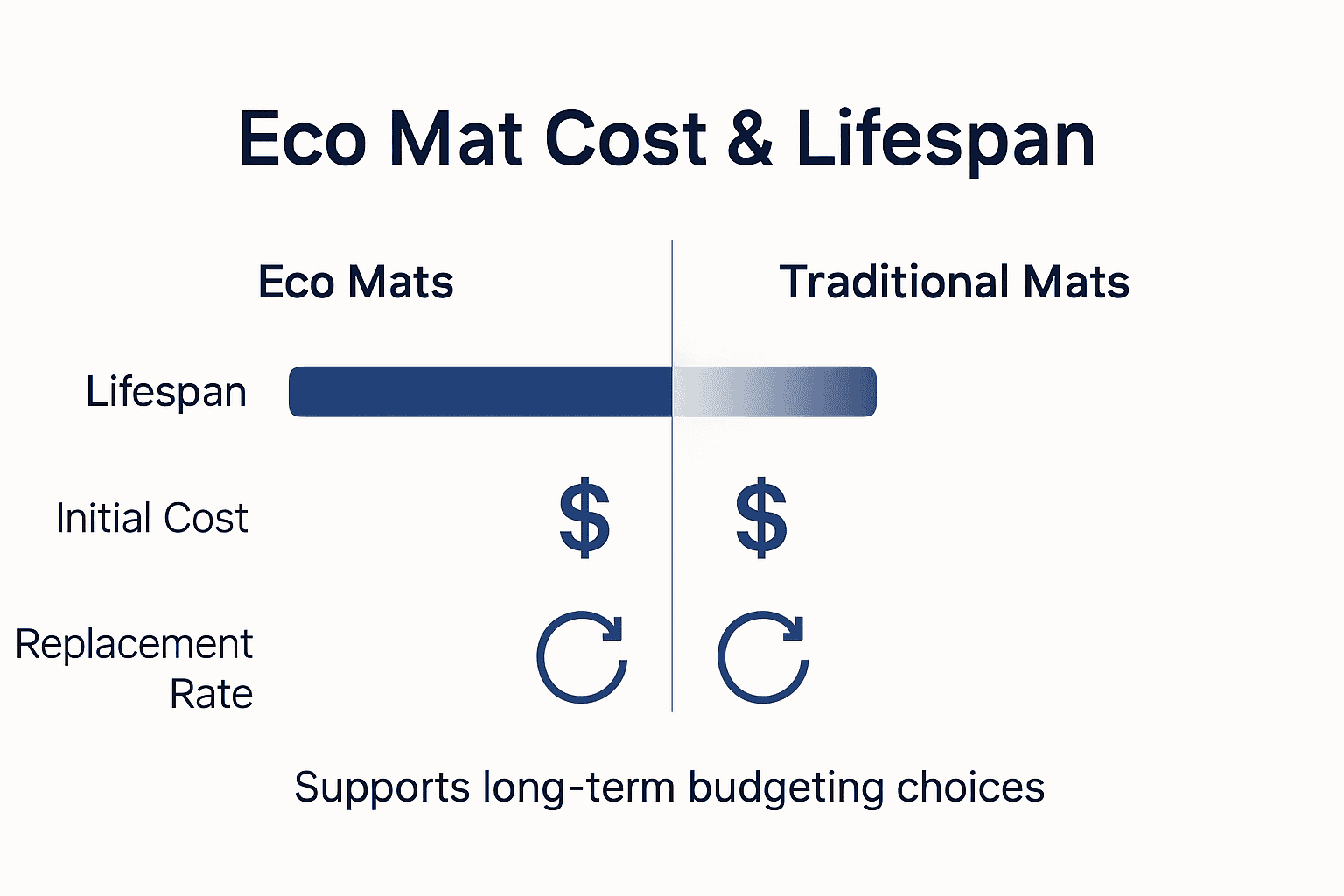
Here is a summary table outlining the cost and longevity considerations of different yoga mat materials for commercial properties:
| Mat Type | Typical Lifespan | Initial Cost Level | Replacement Frequency |
|---|---|---|---|
| Natural Rubber | 3-5 years | High | Rare |
| Recycled Polyester | 2-3 years | Moderate | Occasional |
| PVC (Synthetic) | 6-12 months | Low | Frequent |
This information supports long-term budget planning and procurement strategies.
Pro tip: Develop a standardized cost-per-use calculation that incorporates replacement frequency, maintenance expenses, and potential indirect costs like user satisfaction and facility reputation.
Upgrade Your Facility with Sustainable Flooring Solutions
Choosing the right eco-friendly yoga mat is essential for facilities striving to enhance wellness while reducing environmental impact. The article highlights the challenges of finding truly sustainable mats that combine durability, safety certifications, and genuine environmental benefits. Facility managers often face pain points such as evaluating biodegradability, ensuring user safety, and balancing cost versus lifespan. Addressing these requires access to reliable, high-quality mat options that support a greener, healthier space.
At Mats4U USA, we understand these critical needs by providing a wide selection of premium Commercial Mats designed for heavy use and sustainable performance. Our collections also include Anti-Fatigue Mats that improve user comfort without compromising environmental responsibilities. Investing in mats from our store means choosing products that align with your facility’s wellness goals while benefiting from durable American-made quality, competitive pricing, and free delivery on orders over $100.
Take the next step toward a truly sustainable facility today. Explore our range of eco-conscious commercial mat options at Mats4U USA to secure reliable, safe, and lasting solutions for your wellness spaces.
Frequently Asked Questions
What materials are considered eco-friendly for yoga mats?
Eco-friendly yoga mats are typically made from renewable materials like natural rubber, organic cotton, cork, recycled polyester, and plant-based bioplastics. These materials have a lower environmental impact compared to traditional petroleum-based options like PVC.
How do eco-friendly yoga mats compare in terms of performance?
Eco-friendly mats often provide better grip, comfort, and durability compared to synthetic mats. Natural materials like rubber and cork excel in grip and biodegradability, while recycled polyester offers a good balance of durability and environmental benefits.
What are the long-term cost benefits of using eco-friendly yoga mats?
While eco-friendly yoga mats may have a higher initial cost, they typically have a longer lifespan, resulting in lower replacement frequency. This makes them a more cost-effective investment over time, especially compared to cheaper synthetic mats that need frequent replacing.
Why is certification important for eco-friendly yoga mats?
Certifications like OEKO-TEX, GOTS, and USDA Organic ensure that yoga mats meet safety and environmental standards. These certifications provide assurance regarding the absence of harmful chemicals and the sustainability of the materials used, making them vital for informed purchasing decisions.


