


Not all mats labeled eco-friendly deliver on that promise. Many yoga mats marketed as sustainable still contain harmful plastics, synthetic chemicals, and non-biodegradable materials that contradict your environmental values. If you’re seeking a yoga mat that genuinely supports both your practice and the planet, understanding materials, certifications, and performance trade-offs is essential to avoid greenwashing and make confident choices.
Table of Contents
- Understanding Eco-Friendly Yoga Mats: Materials And Sustainability
- Certifications And How To Verify Truly Sustainable Yoga Mats
- Common Misconceptions And Greenwashing In Eco-Friendly Yoga Mats
- Performance, Comfort, And Longevity Of Eco-Friendly Yoga Mats
- Choosing And Caring For Your Eco-Friendly Yoga Mat: Practical Tips
- End-Of-Life Options: Disposal And Recycling For Sustainable Yoga Mats
- Explore Sustainable Mat Options That Match Your Eco Values
- Frequently Asked Questions About Eco-Friendly Yoga Mats
Key takeaways
| Point | Details |
|---|---|
| Material matters | Natural rubber, cork, jute, and TPE offer varying sustainability profiles, while PVC remains problematic for health and environment. |
| Certifications verify claims | GOLS and OEKO-TEX Standard 100 confirm mats are free from harmful substances and produced responsibly. |
| Allergy awareness is critical | Natural rubber triggers latex allergies in sensitive individuals, requiring cork or TPE alternatives. |
| Performance varies by material | Eco mats balance grip, cushioning, and durability differently, so align your choice with your practice style. |
| Proper care extends lifespan | Cleaning, storage, and responsible disposal maximize sustainability benefits and minimize environmental impact. |
Understanding eco-friendly yoga mats: materials and sustainability
Yoga mat materials span a wide spectrum, from petroleum-based synthetics to plant-derived fibers. Understanding each material’s environmental footprint and health implications helps you identify genuine sustainability.
Natural rubber, harvested from rubber trees, offers excellent grip and cushioning. It biodegrades over years when properly composted, but certain eco-friendly yoga mats contain natural rubber that triggers latex allergies for sensitive individuals. Cork, harvested from bark without harming trees, provides antimicrobial properties and moderate cushioning. Jute and cotton are renewable plant fibers that biodegrade quickly but offer less cushioning for intense practices.
Thermoplastic elastomer (TPE) blends synthetic polymers to create recyclable mats free from latex and PVC toxins. While not biodegradable, TPE mats can be recycled through specialized programs. PVC (polyvinyl chloride) dominates conventional yoga mats due to low cost, but produces toxic dioxins during manufacturing and disposal. PVC never biodegrades, persisting in landfills for centuries.
Carbon footprint varies significantly. Natural materials like rubber and cork sequester carbon during growth, offsetting some manufacturing emissions. Synthetic materials require energy-intensive processing and petroleum extraction. Biodegradability depends on composition and disposal conditions. Natural fibers compost in months under ideal conditions, while rubber takes years and TPE requires industrial recycling.
Pro Tip: Request third-party test reports from manufacturers before purchasing. Transparent brands readily share material sourcing and safety data.
Material sustainability comparison
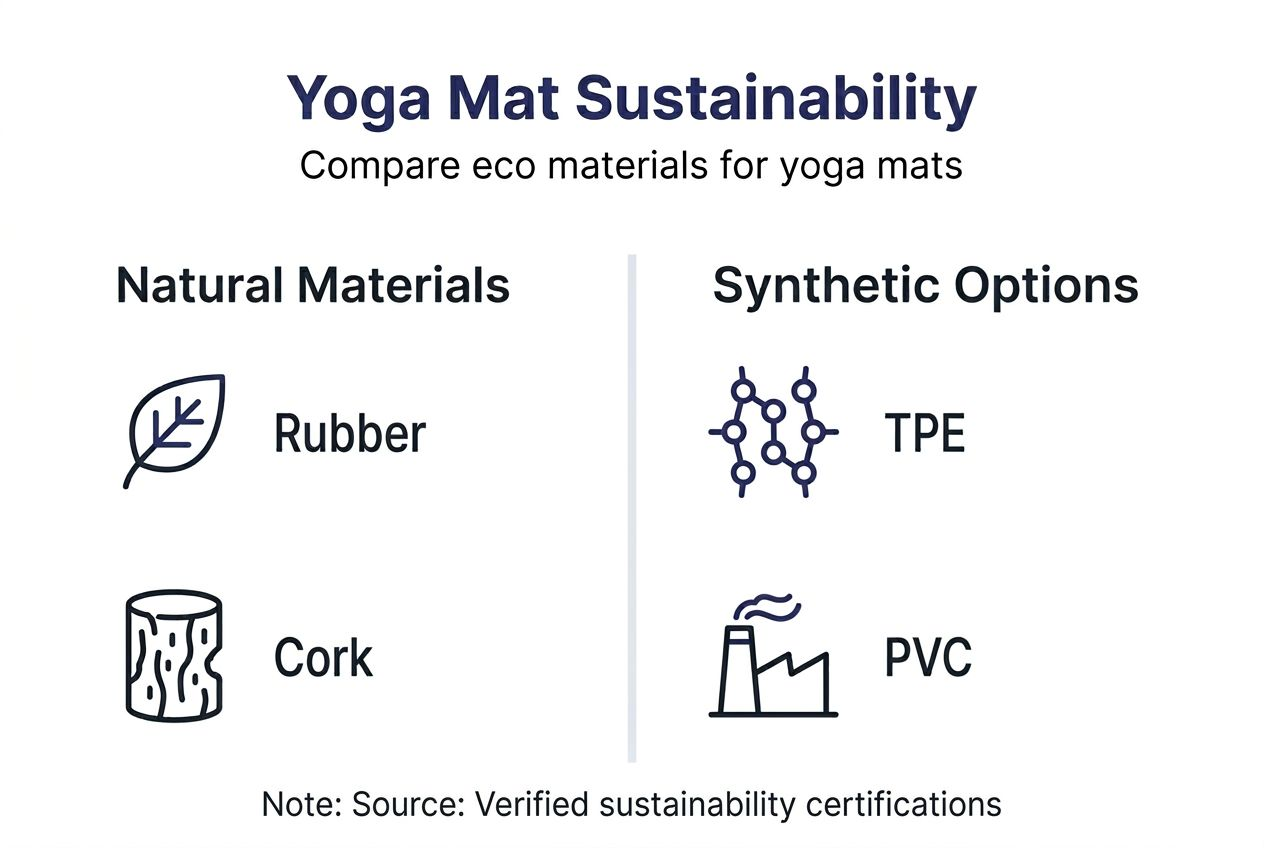
| Material | Biodegradable | Toxin-Free | Renewable | Allergy Risk |
|---|---|---|---|---|
| Natural Rubber | Yes (years) | Yes | Yes | High (latex) |
| Cork | Yes (months) | Yes | Yes | Low |
| Jute/Cotton | Yes (weeks) | Yes | Yes | Low |
| TPE | No (recyclable) | Yes | No | Low |
| PVC | No | No | No | Moderate |
Key factors to evaluate:
- Carbon footprint from extraction through disposal
- Biodegradability timeline and required conditions
- Presence of phthalates, heavy metals, or volatile organic compounds
- Renewable resource status and harvest sustainability
- Allergen content for sensitive users
For those exploring sustainable options beyond yoga mats, environmentally friendly yoga mat guidance applies to various wellness spaces. Facility managers seeking bulk solutions can review best eco-friendly yoga mat options facility managers for commercial applications. The principles of understanding eco-friendly floor mats extend across multiple mat categories.
Certifications and how to verify truly sustainable yoga mats
Certifications cut through marketing claims by providing independent verification of sustainability and safety standards. Two certifications dominate the yoga mat market.
Global Organic Latex Standard (GOLS) certifies that natural rubber contains at least 95% certified organic raw materials. This standard verifies sustainable harvesting practices, prohibits harmful chemicals, and ensures fair labor conditions throughout the supply chain. OEKO-TEX Standard 100 tests finished products for over 300 harmful substances, including formaldehyde, heavy metals, and pesticides. Certifications such as Global Organic Latex Standard and OEKO-TEX Standard 100 ensure yoga mats are free from harmful substances and produced sustainably.
Third-party lab testing provides transparency beyond basic certifications. Reputable manufacturers publish detailed test reports showing exact chemical composition, VOC emissions, and heavy metal content. These reports prove compliance with safety thresholds and reveal material quality.
Certification limitations exist. Labels verify specific criteria but don’t guarantee overall environmental impact. A mat might carry OEKO-TEX certification while still using non-renewable materials or energy-intensive manufacturing. Some brands display certification logos without providing verification numbers, making claims impossible to validate.
Verifying authenticity when shopping:
- Check certification numbers against official databases on certifying body websites
- Request complete test reports showing substance screening results
- Investigate company transparency about material sourcing and manufacturing locations
- Look for detailed material breakdowns, not vague “eco-friendly” claims
- Verify certifications apply to the specific product model, not just the brand
- Research whether certifications are current or expired
When evaluating eco-friendly yoga mat choices, prioritize brands that provide complete documentation. Legitimate certifications require annual renewal and surprise audits, ensuring ongoing compliance.
Common misconceptions and greenwashing in eco-friendly yoga mats
The yoga mat market overflows with misleading environmental claims. Understanding common myths protects you from greenwashing and helps identify genuinely sustainable products.
Recycled PVC remains problematic despite recycled content claims. The base material still contains plasticizers and stabilizers that leach over time. Recycling doesn’t eliminate toxicity or improve biodegradability. These mats persist in landfills just like virgin PVC.
Natural rubber allergies affect approximately 1-6% of the general population. If you experience skin irritation, respiratory symptoms, or contact dermatitis after using rubber mats, consider latex allergy testing. Cork and TPE provide safe alternatives without sacrificing performance.
Biodegradability claims mislead when manufacturers omit disposal conditions. Most mats labeled biodegradable only break down in commercial composting facilities reaching 140°F with controlled moisture. In typical landfills lacking oxygen and microbial activity, these mats persist for decades. Home composting rarely achieves the conditions needed for rubber or thick jute mats.
Greenwashing tactics pervade marketing:
- Vague terms like “eco-conscious” or “earth-friendly” without specific criteria
- Images of nature and green colors suggesting environmental benefits
- Highlighting one positive attribute while ignoring overall impact
- Creating unofficial “certifications” that sound credible but lack independent verification
- Claiming biodegradability without specifying timeline or required conditions
“The most effective way to avoid greenwashing is demanding specific, verifiable information about materials, manufacturing processes, and end-of-life options. Brands committed to sustainability welcome detailed questions.”
Pro Tip: Always ask for detailed material content and testing documentation before purchasing. Legitimate eco-friendly brands provide this information readily, while greenwashing companies deflect or provide vague responses.
Performance, comfort, and longevity of eco-friendly yoga mats
Sustainability matters, but your mat must also support your practice. Different eco materials offer distinct performance characteristics that affect comfort, safety, and durability.
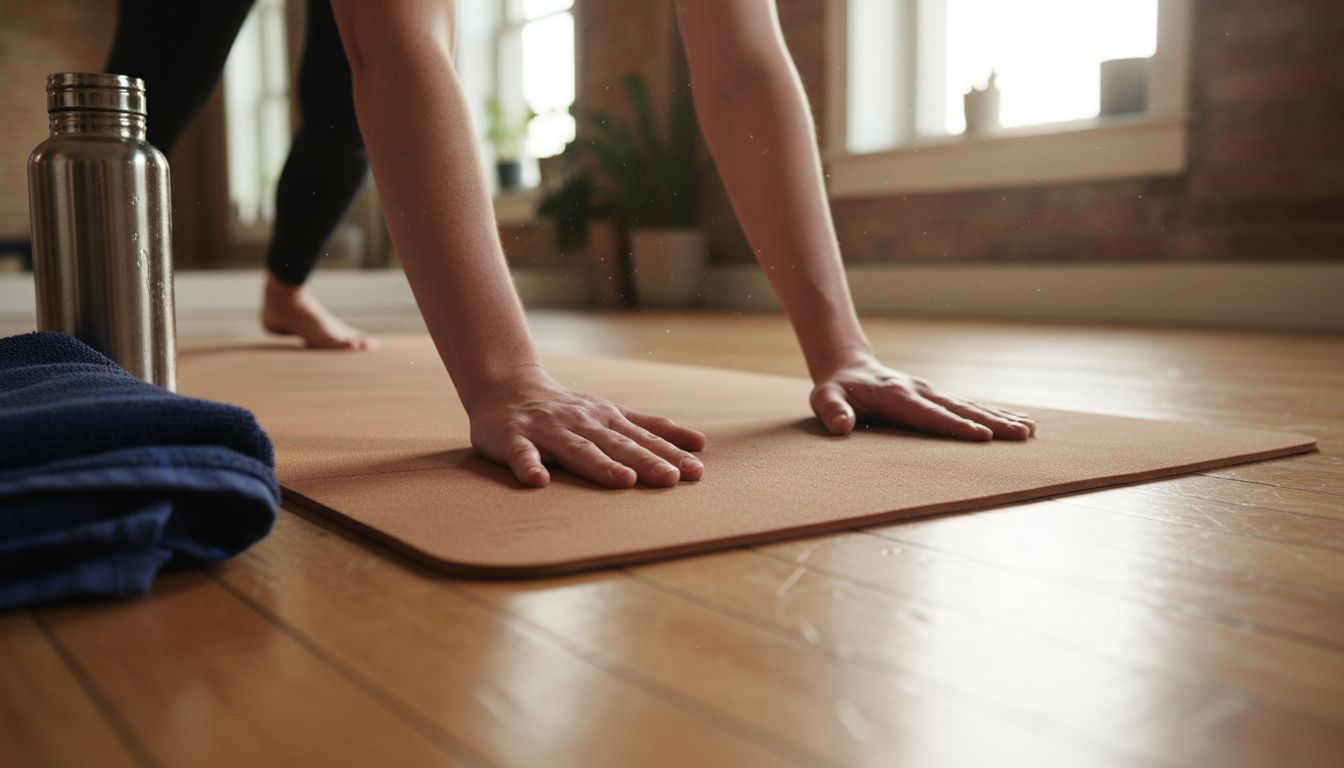
Natural rubber excels in grip, even during sweaty practices. The material provides substantial cushioning for joint protection during floor poses. Quality rubber mats last 3-5 years with proper care, matching or exceeding PVC durability. Cork offers natural antimicrobial properties and improves grip as moisture increases. However, cork provides less cushioning than rubber, making it better suited for standing poses than restorative practices.
TPE balances lightweight portability with moderate grip and cushioning. These mats typically last 1-2 years with regular use, shorter than natural rubber but acceptable for budget-conscious buyers. PVC mats deliver superior durability and cushioning but at environmental and health costs that contradict eco values.
Performance comparison by material
| Material | Grip | Cushioning | Durability | Weight | Best For |
|---|---|---|---|---|---|
| Natural Rubber | Excellent | Excellent | 3-5 years | Heavy | All styles, especially hot yoga |
| Cork | Good | Moderate | 2-4 years | Medium | Vinyasa, standing-focused practices |
| Jute/Cotton | Moderate | Light | 1-2 years | Light | Gentle, restorative yoga |
| TPE | Good | Moderate | 1-2 years | Light | Travel, occasional practice |
Selecting the right mat for your practice:
- Identify your primary yoga style and intensity level
- Assess whether you prioritize cushioning or firm stability
- Consider portability needs if you travel to studios
- Evaluate your sensitivity to natural rubber or other materials
- Match durability expectations with budget and replacement frequency
Care practices extend mat life and maintain eco benefits. Clean your mat after each use with mild soap and water, avoiding harsh chemicals that degrade materials. Air dry completely before rolling to prevent mold growth. Store mats loosely rolled or flat in cool, dry spaces away from direct sunlight, which breaks down natural materials.
Despite perceptions that eco materials sacrifice performance, many natural mats outperform synthetics. The key is matching material properties to your specific needs. For broader context on sustainable mat options, explore eco-friendly yoga mat choices and understanding eco-friendly mats and their benefits for comprehensive guidance.
Choosing and caring for your eco-friendly yoga mat: practical tips
Selecting and maintaining your mat requires attention to personal health needs, sustainability criteria, and proper care techniques. These practical strategies help you maximize both performance and environmental benefits.
Identify allergy-safe materials based on your health history. If you have known latex sensitivity, eliminate natural rubber immediately and focus on cork, jute, or TPE options. Test new materials gradually. Use a mat for short sessions initially and monitor for any skin reactions, respiratory changes, or unusual odors that might indicate sensitivity.
Assess certifications and company transparency thoroughly. Visit manufacturer websites and verify certification numbers through official databases. Email companies directly with specific questions about material sourcing, manufacturing processes, and chemical testing. Brands committed to sustainability respond with detailed, verifiable information.
Cleaning methods preserve mat materials while maintaining hygiene:
- Use gentle, plant-based cleaners or diluted white vinegar solutions
- Avoid alcohol-based sprays that dry out natural rubber and cork
- Wipe down after each practice with a damp cloth
- Deep clean monthly by hand-washing with mild soap in cool water
- Never machine wash natural rubber or cork mats
Storage practices prevent premature wear. Roll mats loosely with the top surface facing out to prevent curling edges. Store in breathable bags rather than plastic, allowing air circulation. Keep mats away from heat sources and direct sunlight that accelerate material breakdown. For studios with multiple mats, rotate usage to distribute wear evenly.
Pro Tip: Rotate mats if possible to balance wear and extend use. Alternating between two mats doubles the rest period between uses, allowing materials to fully dry and recover resilience.
Maintenance extends beyond cleaning. Inspect mats regularly for signs of degradation like crumbling edges, persistent odors, or reduced grip. Address minor issues promptly. Trim fraying edges on jute mats to prevent further unraveling. Apply cork sealant annually to maintain moisture resistance.
For natural cleaning methods applicable to various mat types, review guidance on how to clean gym floor mats naturally and clean rubber gym mats for techniques that preserve material integrity.
End-of-life options: disposal and recycling for sustainable yoga mats
Responsible disposal completes the sustainability cycle, preventing valuable materials from polluting landfills. Different mat materials require specific end-of-life approaches.
Composting suits natural fiber mats like jute, cotton, and hemp. Cut mats into smaller pieces to accelerate decomposition. Add pieces to compost bins in layers with other organic matter. These materials break down within weeks to months in active compost systems. Cork and natural rubber compost more slowly, taking months to years depending on thickness and conditions.
Recycling programs handle materials unsuitable for composting. Several companies operate mat take-back programs, processing old natural rubber and TPE mats into new products. Manufacturers like Manduka and Jade offer recycling services, though shipping costs may apply. Local recycling centers increasingly accept rubber products, though yoga mats specifically may require specialized facilities.
PVC mats present disposal challenges. These mats never biodegrade and release toxins when incinerated. Few recycling programs accept PVC due to contamination concerns. This reality underscores why avoiding PVC from the start aligns with environmental values.
Finding disposal resources:
- Contact mat manufacturers about take-back programs before purchasing
- Search Earth911’s recycling database for facilities accepting rubber or TPE near you
- Ask local yoga studios if they participate in mat recycling initiatives
- Check municipal hazardous waste programs for proper synthetic mat disposal
- Explore upcycling options like cutting mats into knee pads or garden kneelers
Timing disposal strategically reduces waste. Use mats until they no longer provide adequate grip or cushioning rather than replacing based on aesthetics alone. Patch small tears or worn areas to extend usability. When mats become unsafe due to excessive wear, prioritize recycling over landfill disposal whenever possible.
Landfill avoidance matters significantly. Even biodegradable materials struggle to break down in oxygen-poor landfill conditions. The compressed, sealed environment prevents the microbial activity and moisture needed for decomposition. Materials labeled biodegradable may persist for decades when landfilled, releasing methane as they slowly degrade.
Explore sustainable mat options that match your eco values
Applying what you’ve learned means choosing mats from sources committed to transparency and sustainability. Whether you’re outfitting a home practice space or managing a wellness facility, selecting mats that align with environmental values supports both your practice and the planet.
Durable, eco-conscious options exist for various applications beyond traditional yoga. Mats designed for high-traffic commercial environments incorporate sustainable materials while delivering the performance demanded by professional settings. Exploring detailed material specifications and certification documentation through product pages helps verify that sustainability claims match your standards.
Choosing mats that support environmental goals without compromising performance requires balancing multiple factors. The right selection depends on your practice intensity, space requirements, and commitment to specific sustainability criteria. For premium options with customization possibilities, consider premium custom floor mats that combine durability with environmental responsibility. Solutions like the Waterhog drainable border mat demonstrate how commercial-grade products can meet both performance and sustainability needs.
Visit Mats4U to explore mat solutions that align with your values, backed by detailed specifications and transparent material information.
Frequently asked questions about eco-friendly yoga mats
What makes a yoga mat truly eco-friendly versus just marketed as one?
Truly eco-friendly mats use renewable or recycled materials, avoid toxic chemicals, and provide biodegradability or recyclability at end of life. They carry verified certifications like GOLS or OEKO-TEX Standard 100 with traceable certification numbers. Marketing claims without specific material disclosure, third-party testing, or credible certifications indicate greenwashing rather than genuine sustainability.
How can I test if I’m allergic to natural rubber in yoga mats?
Consult an allergist for latex allergy testing through skin prick or blood tests before investing in natural rubber mats. If you experience itching, redness, hives, or breathing difficulty after mat contact, discontinue use immediately. Alternative allergy-safe materials include cork, TPE, and plant-based fibers that provide similar performance without latex exposure.
Are biodegradable mats safe to compost at home?
Thin natural fiber mats made from jute, cotton, or hemp compost successfully at home when cut into small pieces. Thicker natural rubber and cork mats require commercial composting facilities reaching 140°F with controlled moisture and aeration. Always verify specific composting requirements with manufacturers, as some biodegradable claims assume industrial conditions unavailable in backyard compost bins.
Can eco-friendly mats provide enough grip for vigorous yoga styles?
Natural rubber mats deliver excellent grip for hot yoga, vinyasa, and other vigorous styles, often exceeding PVC performance when wet. Cork mats actually improve traction with moisture, making them ideal for sweaty practices. TPE offers moderate grip suitable for most styles. Only very thin jute or cotton mats may lack sufficient grip for intense practices.
Where can I recycle my old natural rubber or TPE yoga mat?
Contact your mat manufacturer first, as brands like Manduka and Jade operate take-back recycling programs. Search Earth911.com for rubber recycling facilities near you that accept yoga mats. Some yoga studios partner with recycling initiatives and accept old mats from practitioners. If no recycling option exists locally, cut worn mats into smaller pieces for household uses like shelf liners or workshop padding before disposal.
Recommended
- 7 Best Eco Friendly Yoga Mat Options for Facility Managers – Mats4U USA
- Eco Friendly Yoga Mat: Sustainable Choices for Facilities – Mats4U USA
- Environmentally Friendly Yoga Mats: Key Factors for Facilities – Mats4U USA
- 7 Essential Benefits of Eco Friendly EVA Yoga Mats – Mats4U USA
- 10 Essential Sustainable Travel Tips for Eco-Conscious Explorers - Unparalleled Global Benefits


