


Every facility manager knows that gym floor mats are magnets for sweat, dirt, and bacteria, making regular and thorough cleaning a top priority in American fitness centers. Keeping these surfaces clean not only supports the health of your clients but also preserves your equipment investment for the long run. This guide outlines the key steps for preparing, cleaning, and maintaining gym floor mats so your spaces remain safe, sanitary, and ready for every workout.
Table of Contents
- Step 1: Prepare The Mats And Cleaning Area
- Step 2: Remove Loose Debris And Surface Dirt
- Step 3: Apply Suitable Cleaning Solution
- Step 4: Scrub Mats And Treat Stubborn Stains
- Step 5: Rinse Thoroughly And Dry Mats
- Step 6: Inspect Mats For Safety And Readiness
Quick Summary
| Key Point | Explanation |
|---|---|
| 1. Create a clean workspace | Remove equipment and obstacles around the gym mats to ensure an unobstructed and organized area for effective cleaning. |
| 2. Use appropriate cleaning supplies | Gather disinfectant, microfiber towels, gloves, and a soft brush, ensuring compatibility with mat material to prevent damage. |
| 3. Remove loose debris thoroughly | Sweep or vacuum mats gently to eliminate dirt without scratching, paying special attention to edges and high-traffic areas. |
| 4. Rinse and dry properly | Rinse mats thoroughly with clean water and allow for complete drying to avoid bacterial growth and maintain integrity. |
| 5. Conduct a safety inspection | Examine mats for tears, discoloration, or wear after cleaning to ensure user safety and readiness for use. |
Step 1: Prepare the mats and cleaning area
Prepping your gym floor mats for cleaning requires strategic planning and the right approach. The goal is to create a clean, organized workspace that minimizes contamination and ensures thorough sanitization.
Start by clearing the entire area around the gym mats. Remove any equipment, weights, or obstacles that might interfere with your cleaning process. This creates an unobstructed workspace and prevents cross-contamination. Effective gym cleaning procedures emphasize creating a dedicated cleaning zone that allows complete access to all mat surfaces.
Gather your cleaning supplies before beginning. You’ll need:
- Disinfectant solution specifically designed for gym mats
- Clean microfiber towels
- Protective gloves
- Spray bottles
- Bucket for cleaning solution
- Soft-bristled scrub brush
Ensure all cleaning materials are within easy reach and that you’re wearing appropriate personal protective equipment. Check that your disinfectant is compatible with the mat material to prevent potential damage.
Pro tip: Always test your cleaning solution on a small, inconspicuous area of the mat first to ensure it doesn’t cause discoloration or material breakdown.
Step 2: Remove loose debris and surface dirt
Before deep cleaning your gym floor mats, you must effectively remove loose dirt and debris. This critical first step prevents scratching and ensures a more thorough sanitization process.
Proper debris removal techniques recommend starting with a systematic approach to eliminate surface contaminants. Begin by using a soft-bristled broom or a vacuum with a soft attachment to gently sweep the mat surface. Avoid using stiff brushes or harsh tools that might damage the mat’s material.
Pay special attention to high-traffic areas and edges where dirt tends to accumulate. Your cleaning process should include:
- Sweeping or vacuuming the entire mat surface
- Focusing on corners and edges
- Checking underneath and around the mat for additional debris
- Using gentle, overlapping motions to ensure complete coverage
If you’re dealing with stubborn dirt or loose particles, consider using a microfiber dust mop or a specialized gym mat cleaning tool. Gentle and consistent removal prevents potential damage and prepares the surface for deeper cleaning.
Even minimal surface debris can scratch or degrade your gym floor mats during subsequent cleaning steps.
Move methodically across the entire mat, ensuring you’ve removed all loose dirt before proceeding to more intensive cleaning techniques.
Pro tip: Always vacuum or sweep in the same direction to prevent pushing dirt back into cleaned areas.
Step 3: Apply suitable cleaning solution
Selecting and applying the right cleaning solution is crucial for maintaining your gym floor mats without causing damage. The goal is to thoroughly sanitize while preserving the mat’s integrity and performance.
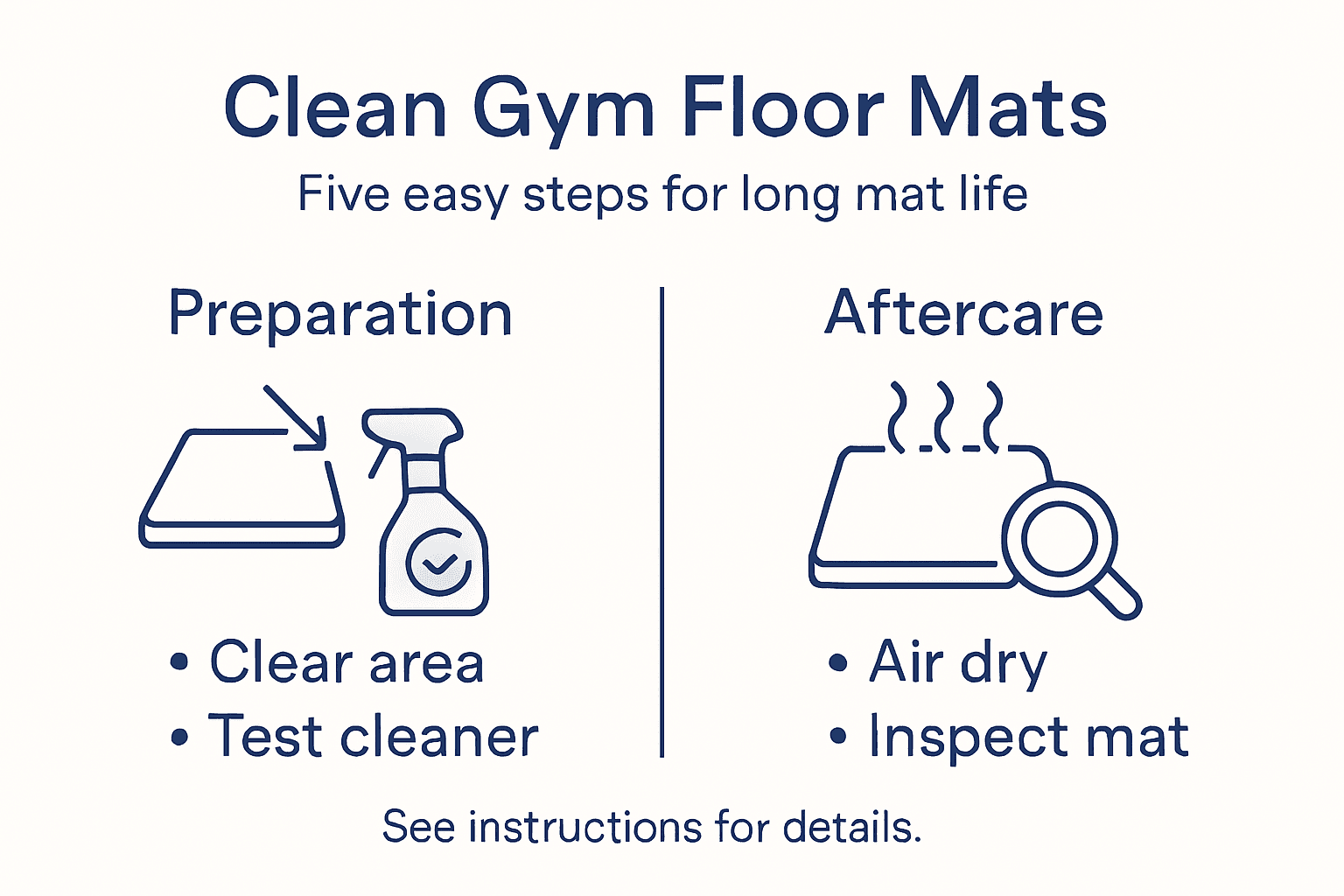
Proper cleaning solution techniques require careful product selection and precise application. Start by choosing a disinfectant specifically designed for your mat’s material - whether rubber, foam, or synthetic surfaces. Different mat types demand unique cleaning approaches to prevent deterioration.
Your cleaning solution application process should include:
- Diluting the cleaner according to manufacturer instructions
- Using a clean spray bottle or bucket for even distribution
- Applying solution with a microfiber mop or soft cloth
- Ensuring complete but not saturated coverage
- Working in manageable sections
Avoid oversaturating the mat, as excess moisture can lead to material breakdown or mold growth. Apply the cleaning solution evenly, using smooth and consistent motions. Pay extra attention to high-traffic areas and visible stains.
Professional cleaning requires precision - too little solution fails to sanitize, while too much can damage your equipment.
Allow the cleaning solution to sit for the recommended contact time specified on the product label, which typically ranges from 30 seconds to 2 minutes depending on the disinfectant.
Pro tip: Always test the cleaning solution on a small, inconspicuous mat area first to ensure compatibility and prevent potential damage.
Step 4: Scrub mats and treat stubborn stains
Treating stubborn stains and thoroughly scrubbing gym floor mats requires a systematic and gentle approach to prevent damage while ensuring complete cleanliness. Your goal is to remove tough marks without compromising the mat’s material integrity.
Specialized stain removal techniques recommend using targeted strategies for different types of stains. Begin by identifying the specific stain type and selecting an appropriate cleaning method - whether it’s sweat residue, dirt buildup, or mildew.
Your scrubbing process should follow these critical steps:
- Use a soft-bristled brush or microfiber cloth
- Apply gentle circular motions
- Focus on high-traffic and visibly soiled areas
- Work in small, manageable sections
- Apply consistent but light pressure
Avoid aggressive scrubbing that could damage the mat’s surface. For particularly stubborn stains, let the cleaning solution sit for 1-2 minutes before gently working it with your brush. This allows the solution to break down the stain without excessive physical manipulation.
Patience and gentle technique are more effective than forceful scrubbing when treating gym mat stains.
If a stain persists after your initial cleaning attempt, consider using a specialized spot treatment designed for your specific mat material.
Pro tip: Keep a white cloth handy to test your cleaning solution’s effectiveness without transferring additional color or residue onto the mat.
Step 5: Rinse thoroughly and dry mats
Thoroughly rinsing and properly drying your gym floor mats is a critical final step that prevents potential damage and ensures long-term mat performance. Your goal is to remove all cleaning solution residue and eliminate moisture that could lead to bacterial growth.
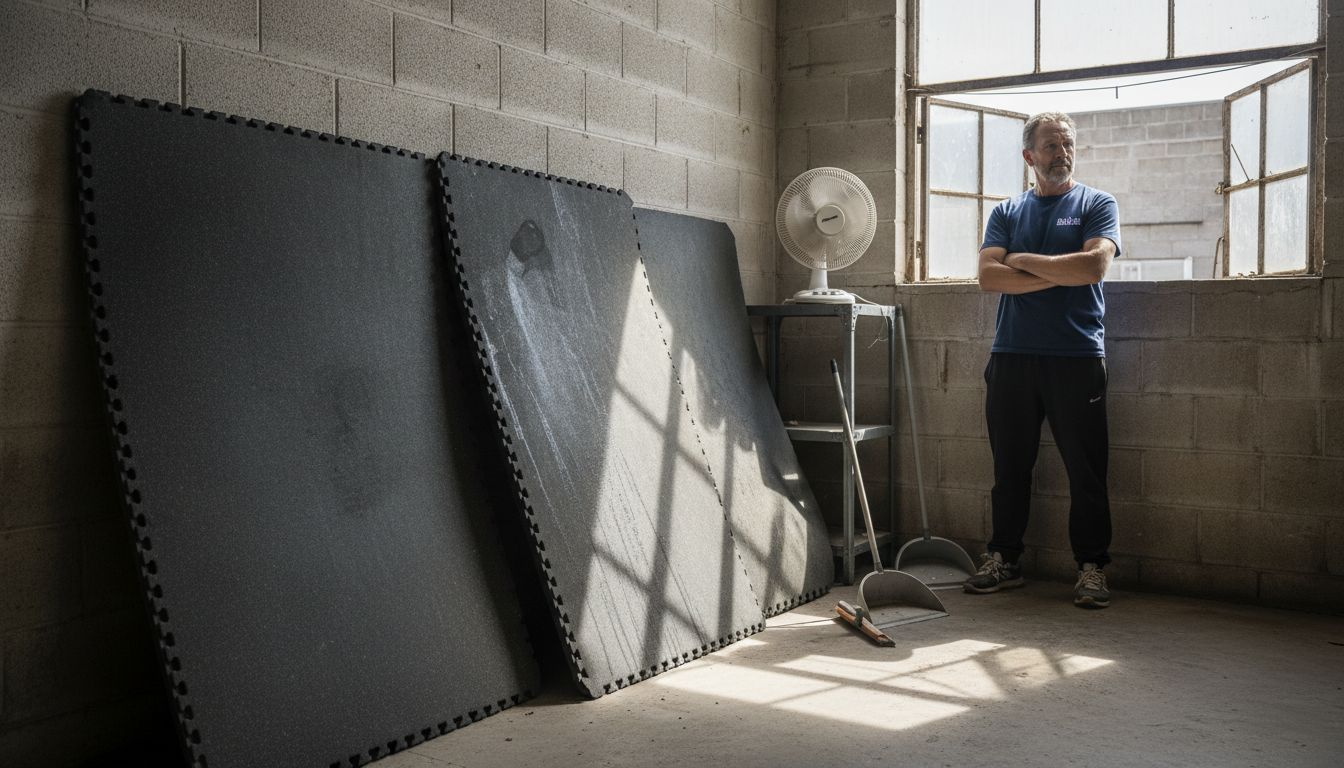
Proper rinsing and drying techniques require careful attention to detail and a systematic approach. Start by using clean, fresh water to completely rinse away any remaining cleaning solution, working methodically across the entire mat surface.
Your rinsing and drying process should include:
- Using clean water at room temperature
- Rinsing multiple times to ensure complete chemical removal
- Using a clean, soft squeegee or microfiber towel
- Removing excess water with gentle, consistent strokes
- Creating adequate air circulation for drying
Avoid direct heat sources like sunlight or industrial dryers, which can cause mat material degradation. Instead, choose a well-ventilated area with ambient temperature for air drying. Position the mat flat to prevent water pooling and potential warping.
Complete drying prevents bacterial growth and maintains mat structural integrity.
Allow sufficient time for thorough air drying, which typically ranges from 2-4 hours depending on humidity and ventilation conditions.
Pro tip: Position a fan near the mat to accelerate drying without applying direct heat, ensuring faster and more uniform moisture evaporation.
Here’s a quick reference table outlining cleaning strategies for different gym mat materials:
| Mat Type | Recommended Cleaner | Special Precautions | Drying Notes |
|---|---|---|---|
| Rubber | pH-neutral disinfectant | Avoid bleach or harsh chemicals | Air dry, avoid heat sources |
| Foam | Mild detergent solution | Never oversaturate, gentle scrub | Lay flat, dry out of sunlight |
| Synthetic | Gym-specific disinfectant | Test for colorfastness | Use fan for faster drying |
This table summarizes common mistakes to avoid when cleaning gym floor mats:
| Mistake | Consequence | How to Prevent |
|---|---|---|
| Using too much solution | Mat deterioration or mold | Apply cleaner sparingly |
| Aggressive scrubbing | Surface damage | Use light, circular motions |
| Skipping inspection | Safety hazards, injuries | Review mat after each cleaning |
Step 6: Inspect mats for safety and readiness
Careful inspection is the final critical step in maintaining gym floor mats, ensuring they remain safe, functional, and ready for use. Your comprehensive review will identify any potential issues that could compromise user safety or mat performance.
Safety inspection guidelines recommend a systematic approach to evaluating mat condition. Begin by examining the entire surface under good lighting, checking for signs of wear, damage, or potential hazards.
Your inspection checklist should include:
- Looking for visible tears or rips
- Checking mat edges for fraying or separation
- Ensuring no bubbling or lifting of mat surface
- Verifying color uniformity
- Confirming complete dryness
- Testing mat’s flat and stable positioning
Carefully examine critical areas like high-traffic zones and mat edges where damage most frequently occurs. Pay special attention to any changes in mat texture or structural integrity that might indicate potential safety risks.
Even minor imperfections can become significant safety hazards during intense workout sessions.
If you discover any significant damage, remove the mat from service immediately and replace it to prevent potential user injuries.
Pro tip: Conduct mat inspections in good natural light and periodically rotate mats to ensure even wear and extended usability.
Protect Your Investment With Premium Commercial Mats
Cleaning gym floor mats thoroughly is essential to extend their lifespan and maintain safety. However, even with the best cleaning practices, worn or low-quality mats can fail to hold up under intense use. At Mats4U.com, we understand the challenge of keeping high-traffic gym floors safe, clean, and durable. Our selection of Commercial Mats features robust mats designed for maximum longevity and resilience against wear, moisture, and heavy equipment.
Take control of your gym environment today by choosing mats that complement your rigorous cleaning routine and stand up to daily demands. Explore our range of Indoor Mats for versatile solutions and check out Accessories that help maintain mat cleanliness and safety. Visit Mats4U.com now to find the perfect gym floor mats engineered for durability and backed by USA manufacturing standards. Don’t wait until your mats show signs of damage upgrade now to protect your space and your members.
Frequently Asked Questions
How often should I clean my gym floor mats for maximum longevity?
To maintain the integrity of your gym floor mats, clean them once a week. Regular cleaning helps prevent buildup of dirt and bacteria, extending the lifespan of your mats by several months.
What cleaning solution should I use on my gym floor mats?
Use a disinfectant solution specifically designed for your mat material, such as rubber or foam. Always follow the manufacturer’s instructions for dilution and application to avoid damaging your mats.
How can I remove stubborn stains from gym floor mats?
Address stubborn stains by applying a cleaning solution and gently scrubbing with a soft-bristled brush. Work in small sections and let the solution sit for a minute before scrubbing to effectively lift the stain without harming the mat material.
What are the best drying techniques for gym floor mats after cleaning?
After rinsing, use a clean squeegee or microfiber towel to remove excess water. Allow your mats to air dry in a well-ventilated area for 2-4 hours, avoiding direct heat sources to preserve material integrity.
How do I inspect my gym floor mats for damage?
Conduct a thorough inspection by looking for tears, rips, or fraying edges under good lighting. Check high-traffic areas for wear and ensure the mats are completely dry to prevent safety hazards.


