


Over 300,000 slip injuries happen every year in American workplaces, costing businesses millions in lost productivity. For facility managers responsible for commercial kitchens, everyday spills can turn bustling prep areas into serious safety risks. Choosing the right non slip kitchen rugs and mats is more than just a matter of comfort. Discover how modern floor coverings help protect workers, meet regulatory standards, and withstand high-traffic demands with durable features designed for long-lasting safety.
Table of Contents
- Defining Non Slip Kitchen Rugs And Mats
- Types Of Commercial Kitchen Mats Explained
- Key Safety Features And Material Options
- Installation, Maintenance, And Compliance Essentials
- Costs, Risks, And Comparing Alternatives
Key Takeaways
| Point | Details |
|---|---|
| Importance of Non Slip Mats | Non slip kitchen rugs and mats significantly enhance safety, comfort, and protection in kitchen environments. |
| Types of Kitchen Mats | Understanding various mat types helps facility managers select appropriate solutions for specific needs, enhancing safety and functionality. |
| Material and Design Features | Selecting the right materials and design features is crucial for maximizing slip resistance and durability in commercial kitchens. |
| Regular Maintenance and Compliance | Consistent inspection and maintenance of kitchen mats are essential for ensuring compliance with safety regulations and maintaining performance. |
Defining Non Slip Kitchen Rugs and Mats
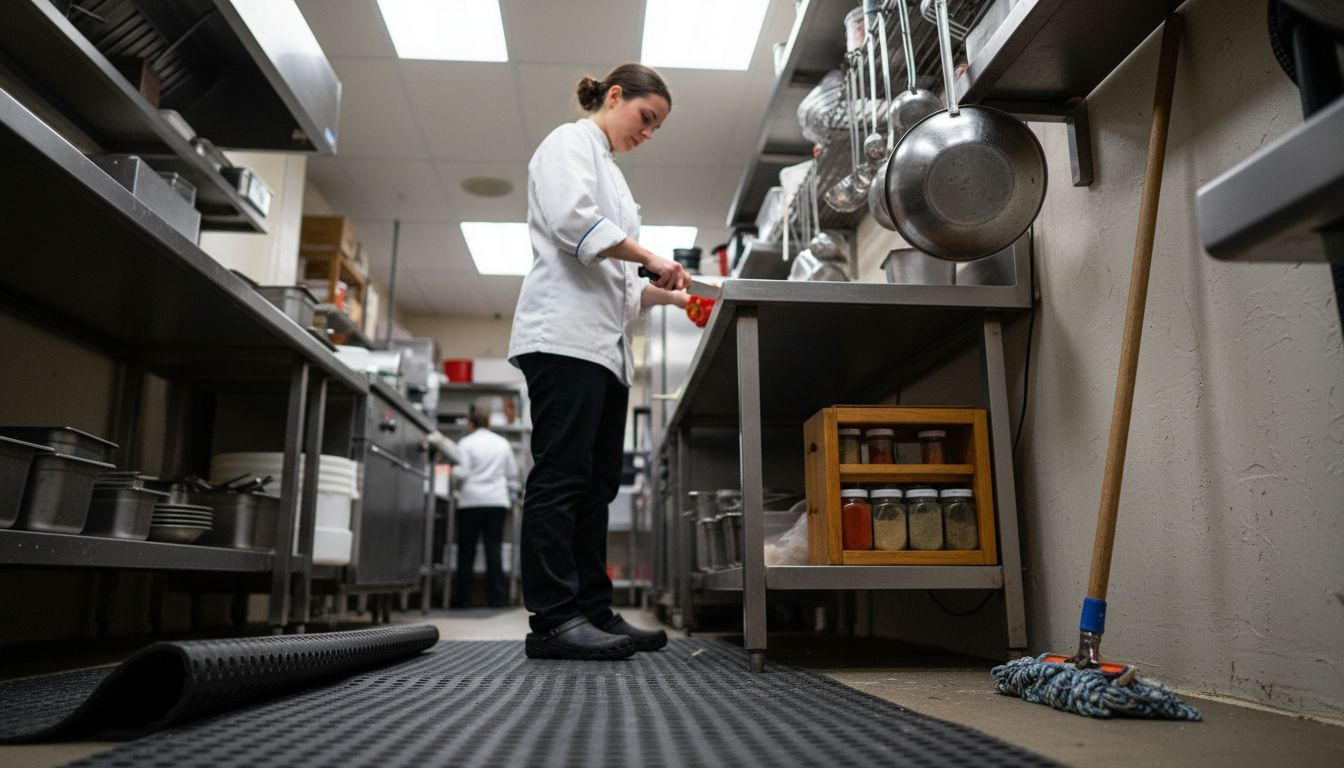
Non slip kitchen rugs and mats are specialized floor coverings engineered to enhance safety and functionality in commercial and residential kitchen environments. These essential safety products are designed to provide slip resistance, comfort, and protection against potential workplace accidents. Floor coverings serve multiple critical purposes beyond simple decoration, focusing on preventing hazardous slipping incidents in high-moisture areas.
Traditionally, these mats feature specific design characteristics that distinguish them from standard floor coverings. Key attributes include specialized textured surfaces, ergonomic backing materials, and moisture-resistant compositions. The National Safety Council emphasizes that effective non slip mats create slip-resistant walking surfaces that minimize workplace injury risks. These surfaces typically incorporate advanced materials like rubber, vinyl, or specialized synthetic compounds that provide superior grip even when exposed to water, grease, or other slippery substances.
Commercial kitchen environments demand robust mat solutions that can withstand constant foot traffic, liquid exposure, and potential chemical interactions. Facility managers seek non slip kitchen rugs that offer not just safety but also durability and easy maintenance. Ideal mats feature beveled edges to prevent tripping, thick cushioning to reduce worker fatigue, and color-contrasting designs that improve visual workplace safety. The most effective non slip kitchen mats combine multiple protective elements: slip resistance, shock absorption, and enhanced ergonomic support for workers who spend extended periods standing.
Pro tip: Always inspect kitchen mats quarterly for wear and replace them immediately if they show signs of deterioration to maintain optimal workplace safety standards.
Types of Commercial Kitchen Mats Explained
Commercial kitchens require specialized floor mats that address unique safety and functionality challenges. Commercial kitchen mats vary widely in design, materials, and specific purposes, each engineered to address different workplace requirements. Understanding these variations helps facility managers select the most appropriate solutions for their specific kitchen environments.
The National Safety Council identifies several critical types of commercial kitchen mats. Cushioned Rubber Mats provide ergonomic relief for workers who stand for extended periods, reducing physical strain and fatigue. Anti-Fatigue Mats feature specialized cushioning that promotes better circulation and reduces muscle tension. Runner Mats are designed for narrow walkways, offering slip resistance in high-traffic corridors. These mats often incorporate specialized surfaces to resist moisture and oils, ensuring worker safety in challenging kitchen conditions.
Additional specialized mat types include Drainage Mats with perforated surfaces that allow liquids to pass through, Welding Mats for heat-resistant areas, and Grease-Resistant Mats designed to withstand chemical exposure. Each mat type serves a specific functional purpose, from preventing slips to providing comfort and protecting floor surfaces. Commercial kitchens often utilize multiple mat types in different zones to create a comprehensive safety strategy.
Here’s a summary comparing popular commercial kitchen mat types by their main strengths and ideal usage:
| Mat Type | Primary Benefit | Typical Application |
|---|---|---|
| Cushioned Rubber Mat | Ergonomic support | Prep areas with long shifts |
| Anti-Fatigue Mat | Reduces muscle fatigue | Standing stations |
| Runner Mat | Slip resistance in walkways | Narrow corridors |
| Drainage Mat | Rapid liquid removal | Wet zones near sinks |
| Grease-Resistant Mat | Chemical resistance | Fry stations, dish areas |
| Welding Mat | Heat protection | Grill or welding locations |
Pro tip: Rotate and regularly inspect kitchen mats to ensure even wear and maintain their slip-resistant properties, replacing them before they become worn or damaged.
Key Safety Features and Material Options
Designing safe commercial kitchen environments requires careful consideration of slip resistance and material durability. Safety features are critical in preventing workplace accidents, with specific design elements that address potential hazards. Key considerations include mat profile, edge design, and surface texture, each playing a crucial role in creating a secure working environment.
Material selection is paramount in kitchen mat design. Rubber remains the premier choice, offering exceptional grip and resilience. These materials must meet rigorous standards, with specific testing methods ensuring long-term slip resistance under challenging conditions. Advanced kitchen mats incorporate multilayer constructions featuring textured surfaces, beveled edges, and ergonomic cushioning. The most effective designs combine multiple safety elements: high-contrast color patterns for visibility, low-profile structures to prevent tripping, and specialized surface treatments that maintain traction even when exposed to oils, water, and cleaning chemicals.
Beyond material composition, safety features extend to advanced engineering principles. Mats now integrate drainage channels to prevent liquid accumulation, antimicrobial treatments to reduce bacterial growth, and modular designs that allow quick replacement of worn sections. Commercial kitchen managers must evaluate mats based on specific workplace conditions, considering factors like temperature exposure, chemical resistance, and frequency of use. The goal is creating a comprehensive safety system that protects workers while maintaining operational efficiency.
Pro tip: Conduct quarterly professional assessments of kitchen mat conditions, measuring slip resistance and checking for structural integrity to proactively prevent potential workplace accidents.
Installation, Maintenance, and Compliance Essentials
Professional installation of non slip kitchen mats requires meticulous attention to detail and adherence to industry standards. Proper installation techniques are critical for ensuring maximum safety and performance in commercial kitchen environments. The process begins with comprehensive subfloor preparation, which involves assessing surface conditions, ensuring levelness, and selecting appropriate installation methods that match specific workplace requirements.
Maintenance protocols play a crucial role in sustaining slip resistance and extending mat longevity. Slip, trip, and fall prevention demands consistent monitoring and proactive care. Commercial kitchen managers should implement systematic inspection routines that include checking mat edges for wear, examining surface texture for potential degradation, and cleaning mats using manufacturer-recommended techniques. Critical maintenance steps involve regular cleaning to remove grease, oils, and potential contaminants that could compromise slip resistance.
Compliance with safety regulations requires comprehensive documentation and periodic professional assessments. Facility managers must maintain detailed records of mat installation dates, maintenance schedules, and replacement intervals. Safety Compliance Checklist elements include verifying mat specifications meet current OSHA and ADA guidelines, conducting quarterly slip resistance testing, and ensuring mats maintain their original protective characteristics. Advanced facilities now incorporate digital tracking systems to monitor mat conditions, creating a data-driven approach to workplace safety management.
Pro tip: Create a standardized inspection log for tracking kitchen mat conditions, documenting date of installation, maintenance performed, and any observed wear to ensure continuous safety compliance.
Costs, Risks, and Comparing Alternatives
Comparing non slip kitchen mat alternatives requires a comprehensive analysis of safety performance and economic impact. Different flooring solutions present unique trade-offs between initial investment, long-term durability, and risk mitigation. Facility managers must evaluate options beyond simple price comparisons, considering potential liability costs associated with workplace accidents.
The economic landscape of slip-resistant solutions involves complex risk calculations. Slip resistance alternatives range from basic rubber mats to advanced textured flooring systems, each with distinct cost structures. Rubber Mats typically represent the most affordable short-term solution, offering immediate slip protection. Epoxy Flooring provides more comprehensive coverage but demands higher upfront investment. Textured Ceramic Tiles represent a midrange option with excellent durability, though installation complexity increases overall expenses. Sophisticated facility managers calculate total cost of ownership, factoring in maintenance expenses, replacement frequency, and potential accident prevention savings.
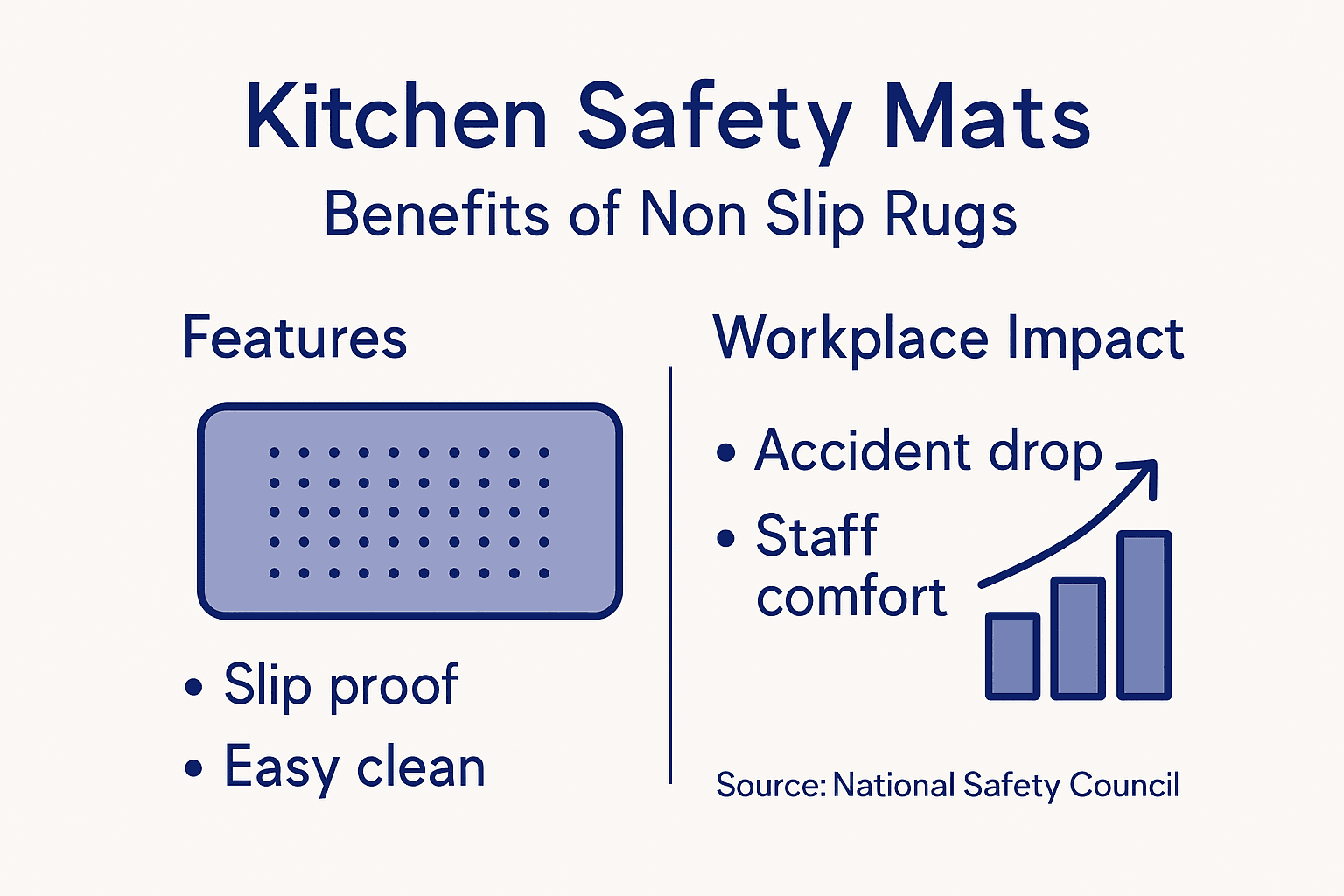
See how popular kitchen floor protection solutions differ in cost, durability, and risk reduction:
| Flooring Solution | Initial Cost | Durability | Risk Reduction |
|---|---|---|---|
| Rubber Mat | Low | Moderate, replace yearly | Immediate safety |
| Epoxy Flooring | High | Excellent, lasts years | Very high |
| Ceramic Tiles | Medium | High, rarely replaced | Strong slip-resist |
| Textured Vinyl Mat | Medium | Good, replace biannually | Effective safety |
Risk assessment becomes paramount when selecting kitchen floor protection strategies. Direct costs of workplace accidents can exceed $500,000 per serious incident, making proactive safety investments financially prudent. Critical risk evaluation metrics include slip resistance testing results, material durability under constant moisture exposure, and compliance with industry safety standards. Advanced facilities now incorporate predictive analytics to model potential accident scenarios, using data-driven insights to optimize flooring selections that minimize both financial and human risks.
Pro tip: Conduct a comprehensive cost-benefit analysis comparing potential accident expenses against safety mat investments, using historical workplace injury data to quantify potential risk reductions.
Enhance Kitchen Safety with Expert Floor Mat Solutions
Slip resistance and ergonomic support are critical in busy kitchen workspaces where spills and long standing hours increase risk. If you are seeking durable, non slip kitchen rugs designed to reduce fatigue and prevent accidents this article highlights exactly why specialized floor mats are a must. Commercial kitchens need mats with strong grip, cushions for comfort, and materials that withstand grease and water without losing effectiveness.
Discover a broad selection of trusted safety mats at Commercial Mats – Mats4U USA. We offer anti-fatigue and rubber mats made in the USA that combine slip resistance with ergonomic benefits to keep your team safe, productive, and energized during every shift. Act now to protect your workspace with quality products that meet rigorous industry safety standards. Visit Mats4U.com and explore our range of Indoor Mats – Mats4U USA to find the perfect non slip kitchen rug solution tailored for your kitchen’s unique demands.
Frequently Asked Questions
What are non slip kitchen rugs and mats?
Non slip kitchen rugs and mats are specialized floor coverings designed to provide slip resistance and enhance safety in kitchen environments. They feature textured surfaces, moisture-resistant materials, and ergonomic backing to minimize slip hazards and workplace accidents.
What types of non slip kitchen mats are available for commercial use?
Commercial kitchen mats include cushioned rubber mats for ergonomic support, anti-fatigue mats, runner mats for high-traffic areas, drainage mats with perforated surfaces, grease-resistant mats, and heat-resistant welding mats, each serving specific safety and functionality needs in busy kitchen settings.
How do I maintain non slip kitchen rugs to ensure safety?
To maintain non slip kitchen rugs, inspect them regularly for wear, clean them using manufacturer-recommended methods to remove grease and contaminants, and rotate or replace them as needed to ensure slip-resistant properties and operational safety.
What should I consider when selecting non slip kitchen mats for my workplace?
When selecting non slip kitchen mats, consider factors such as slip resistance, material durability, maintenance requirements, ergonomic support, and compliance with safety regulations. Evaluate the specific conditions and potential hazards of your kitchen environment to ensure optimal safety and effectiveness.


