


Busy bar nights in the United States bring constant spills, heavy foot traffic, and long shifts for your team. Choosing the right rubber floor mats makes the difference between a safe, comfortable workspace and a risky, hard-to-clean environment. This guide explains how specialized mats—meeting American standards for resilience and durability—can protect staff, simplify cleaning, and refresh the look of your bar while handling the challenges that come with commercial hospitality.
Table of Contents
- Rubber Floor Mats For Bars Defined
- Types Of Rubber Mats Used In Bars
- Key Features For Bar Environments
- Safety Standards And Legal Requirements
- Cost Factors And Maintenance Tips
- Comparisons With Alternative Flooring Options
Key Takeaways
| Point | Details |
|---|---|
| Safety Features | Rubber floor mats provide critical slip resistance and impact absorption, essential for preventing workplace accidents and reducing staff fatigue. |
| Material Selection | Choosing the right type of rubber mat according to specific environments ensures optimal performance against chemicals, spills, and heavy foot traffic. |
| Maintenance Importance | Regular cleaning and inspections prolong mat life and maintain workplace hygiene, significantly reducing long-term costs associated with replacements. |
| Compliance with Standards | Bar owners must adhere to safety regulations regarding floor surfaces to ensure employee and customer safety, while also exceeding minimum requirements for improved risk management. |
Rubber floor mats for bars defined
Rubber floor mats are specialized protective coverings designed specifically for high-traffic commercial environments like bars, where safety, comfort, and cleanliness are paramount. These mats serve multiple critical functions beyond simple floor coverage, addressing unique challenges faced by bar owners and staff.
The core purpose of rubber floor mats in bars revolves around creating a safe, ergonomic workspace. Resilient floor covering standards specify precise performance requirements that ensure these mats provide essential features such as:
- Slip resistance to prevent workplace accidents
- Fatigue reduction for staff standing long hours
- Enhanced workplace hygiene and easy cleaning
- Durability under high-traffic conditions
- Comfort during extended shifts
Bars represent uniquely demanding environments where floor surfaces experience constant moisture, spills, heavy foot traffic, and potential chemical exposures. Rubber flooring thickness plays a crucial role in determining the mat’s effectiveness, with varying densities and compositions designed to meet specific commercial requirements.
Unlike standard floor coverings, bar rubber mats are engineered with specialized properties. They typically feature textured surfaces to channel liquids, prevent slipping, and provide additional grip. The materials are also resistant to common bar substances like alcohol, cleaning chemicals, and food remnants, ensuring long-term performance and hygiene.
Pro tip: Select rubber floor mats with beveled edges to prevent tripping hazards and ensure seamless integration with existing bar flooring.
Types of rubber mats used in bars
Bars utilize various types of rubber mats, each designed to address specific functional requirements in high-traffic commercial environments. Rubber manufacturing standards categorize these mats based on material composition, performance characteristics, and intended usage.
The primary types of rubber mats used in bars include:
- Natural Rubber Mats: Provide excellent grip and elasticity
- Synthetic SBR Mats: Enhanced durability and chemical resistance
- Nitrile Rubber Mats: Superior oil and grease resistance
- Butyl Rubber Mats: Excellent for extreme temperature environments
- Silicone Rubber Mats: Heat-resistant and non-reactive
Each rubber type offers unique advantages for bar environments. Synthetic rubber varieties like Styrene Butadiene Rubber (SBR) and Butyl Rubber are particularly popular due to their exceptional resistance to heat, chemicals, and abrasion. These materials can withstand constant exposure to spills, heavy foot traffic, and frequent cleaning without degrading.
Bar owners typically select rubber mats based on specific performance requirements. Factors like mat thickness, texture, and material composition play crucial roles in determining the mat’s effectiveness in preventing slips, reducing staff fatigue, and maintaining workplace hygiene. Synthetic rubbers often outperform natural rubber in commercial settings due to their enhanced durability and resistance to environmental stressors.
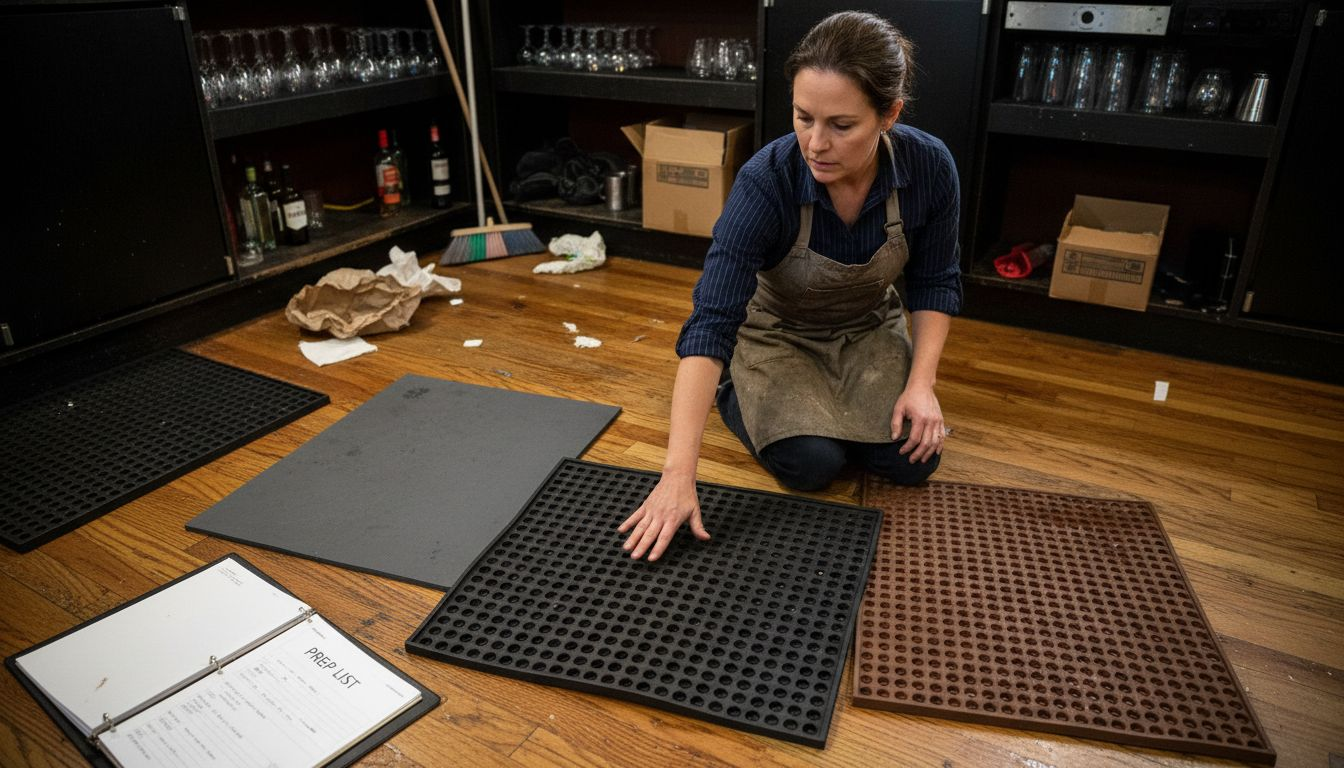
Pro tip: Consider purchasing multiple mat types for different bar areas to maximize safety and performance.
Here’s a quick comparison of the main rubber mat types used in bars and their specialized benefits:
| Rubber Mat Type | Key Strength | Ideal Bar Placement |
|---|---|---|
| Natural Rubber | High elasticity, good grip | Entryways and general bar areas |
| Synthetic SBR | Chemical resistance, durability | Behind the bar and spill zones |
| Nitrile Rubber | Oil and grease resistance | Kitchen or bar prep spaces |
| Butyl Rubber | Extreme temperature tolerance | Outdoor patio or freezer access |
| Silicone Rubber | Heat resistance, non-reactive | Near dishwashers or hot equipment |
Key features for bar environments
Bar environments demand rubber mats with specialized features that go beyond standard floor coverings. Resilient floor covering standards outline critical performance requirements for mats exposed to challenging commercial conditions.
The essential features for bar rubber mats include:
- Slip Resistance: Crucial for preventing workplace accidents
- Impact Absorption: Reduces fatigue for staff standing extended hours
- Chemical Resistance: Withstands alcohol, cleaning solutions, and spills
- Quick Drainage: Channels liquids to prevent standing water
- Easy Cleaning: Surfaces that repel stains and allow rapid sanitization
- Durability: Maintains performance under constant heavy foot traffic
Rubber flooring specifications emphasize the importance of mat thickness and material composition in creating an optimal bar environment. Thickness typically ranges from 1/4 inch to 3/4 inch, with thicker mats providing superior cushioning and shock absorption for staff who spend long hours standing.
Advanced rubber mats for bars incorporate ergonomic design elements that go beyond basic floor protection. These include beveled edges to prevent tripping, raised texture patterns for enhanced grip, and antimicrobial properties that help maintain a hygienic workspace. The goal is to create a safety-focused environment that simultaneously supports staff comfort and workplace efficiency.
Pro tip: Invest in mats with modular designs that allow easy replacement of individual sections, reducing long-term maintenance costs.
Safety standards and legal requirements
Bar owners must navigate a complex landscape of safety regulations when selecting and implementing rubber floor mats. Workplace safety regulations establish clear guidelines for maintaining safe walking surfaces that protect both employees and customers.
Key legal compliance requirements include:
- Surface Integrity: Floors must be structurally sound and free from hazardous conditions
- Slip Resistance: Mats must provide adequate traction in wet and dry environments
- Trip Hazard Prevention: Edges must be smooth and properly installed
- Load-Bearing Capacity: Mats must support expected foot traffic and weight
- Regular Maintenance: Ongoing inspection and replacement of worn mats
- Cleanliness Standards: Mats must be kept clean and sanitized
Resilient flooring standards provide comprehensive testing protocols that help bar owners select mats meeting rigorous safety requirements. These standards evaluate critical performance metrics such as slip resistance, durability, and material integrity under dynamic commercial conditions.
Beyond basic compliance, proactive bar owners understand that safety standards represent minimum requirements. Advanced risk management involves selecting mats that exceed regulatory minimums, implementing comprehensive maintenance protocols, and continuously training staff on proper floor safety practices. This approach not only ensures legal compliance but also demonstrates a commitment to creating a safer workplace environment.
Pro tip: Document all mat inspections and replacements to demonstrate proactive safety management in case of potential workplace injury claims.
Cost factors and maintenance tips
Bar owners must carefully consider both initial investment and long-term maintenance expenses when selecting rubber floor mats. Maintenance cost analysis reveals that strategic mat selection can significantly reduce overall operational expenses.
Key cost considerations include:
- Initial Purchase Price: Varies based on material quality and thickness
- Durability: Higher upfront costs often mean longer mat lifespan
- Replacement Frequency: More durable mats reduce long-term expenses
- Cleaning Requirements: Some materials need more intensive maintenance
- Potential Repair Costs: Selecting high-quality mats minimizes unexpected expenses
- Performance Longevity: Investing in superior materials pays dividends
Rubber part failure prevention highlights critical maintenance strategies for extending mat life. Regular cleaning, avoiding harsh chemicals, and conducting frequent inspections can dramatically reduce wear and extend the operational lifespan of rubber mats in high-traffic bar environments.
Effective maintenance involves a proactive approach that balances cost-effectiveness with performance. Bar owners should develop a comprehensive maintenance schedule that includes daily cleaning, weekly deep cleaning, and quarterly thorough inspections. This strategy helps identify potential issues early, preventing costly replacements and maintaining a safe, professional environment.
Pro tip: Create a dedicated maintenance log to track mat condition, cleaning schedules, and replacement cycles, helping optimize long-term mat investment.
Comparisons with alternative flooring options
Bar owners face multiple flooring choices, each with distinct advantages and limitations. Recycled rubber flooring benefits demonstrate significant advantages over traditional alternatives like wood, vinyl, and concrete surfaces.
Comparative analysis of flooring options reveals key differences:
-
Rubber Mats:
- Superior impact absorption
- Excellent slip resistance
- Low maintenance requirements
- Long-term durability
-
Wood Flooring:
- Attractive appearance
- Higher maintenance needs
- Vulnerable to moisture damage
- Less shock absorption
-
Vinyl Flooring:
- Lower initial cost
- Limited durability
- Less comfortable for standing staff
- Prone to wear in high-traffic areas
Traditional flooring materials often compromise between aesthetic appeal and functional performance. Rubber mats distinguish themselves by offering a comprehensive solution that addresses safety, comfort, and longevity concerns specific to bar environments. Their ability to withstand constant moisture, chemical exposures, and heavy foot traffic makes them a superior choice for commercial settings.
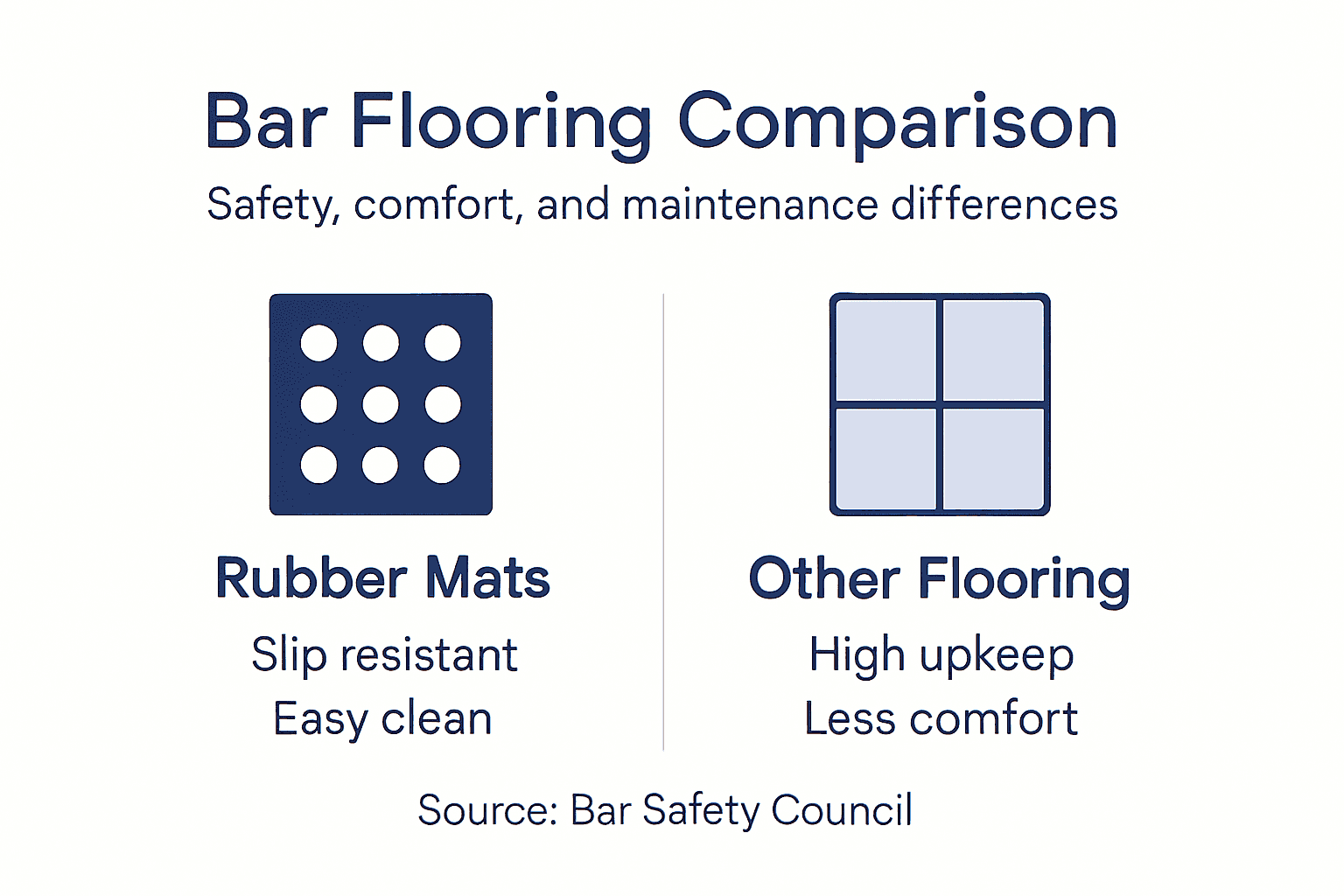
For a clear overview, here’s a table comparing rubber floor mats with alternative bar flooring options:
| Flooring Type | Safety Impact | Maintenance Effort | Comfort for Staff |
|---|---|---|---|
| Rubber Mats | Excellent slip/fatigue protection | Low | Highly cushioned |
| Wood | Moderate slip risk | High | Limited support |
| Vinyl | Adequate in dry areas | Moderate | Minimal comfort |
| Concrete | High slip risk in wet areas | Minimal | Harsh surface |
Pro tip: Consider hybrid flooring solutions that combine rubber mats in high-stress areas with complementary flooring materials to maximize overall performance and cost-effectiveness.
Enhance Your Bar’s Safety and Comfort with Premium Rubber Floor Mats
Running a bar means managing constant challenges like slips, spills, and staff fatigue. The right rubber floor mats can transform your workspace by providing essential slip resistance, impact absorption, and easy maintenance to keep your bar clean and safe. At Mats4U.com, we understand these critical needs and offer a wide selection of commercial-grade mats designed to elevate safety and comfort in high-traffic environments.
Explore our extensive range of Commercial Mats crafted for durability and ergonomic support. Whether you need mats that resist chemicals, provide exceptional traction, or reduce staff fatigue during long shifts, we have reliable options made in the USA. Don’t wait for accidents or discomfort to become costly problems. Visit Mats4U.com now to find the perfect rubber flooring solutions that deliver lasting performance and peace of mind.
Frequently Asked Questions
What are rubber floor mats for bars designed for?
Rubber floor mats for bars are designed to enhance safety, comfort, and hygiene in high-traffic environments. They prevent slips, reduce fatigue for staff standing long hours, are easy to clean, and withstand constant wear from spills and heavy foot traffic.
What types of rubber mats are suitable for bar environments?
Common types of rubber mats used in bars include natural rubber mats for grip, synthetic SBR mats for durability, nitrile rubber mats for oil resistance, butyl rubber mats for extreme temperatures, and silicone rubber mats for heat resistance. Each type serves different functional requirements based on bar conditions.
How do I maintain rubber floor mats in a bar setting?
To maintain rubber floor mats, it is recommended to implement a cleaning schedule that includes daily cleaning, weekly deep cleaning, and quarterly inspections. Avoid harsh chemicals and regularly inspect mats for wear to extend their lifespan and ensure a safe environment.
What features should I look for in rubber mats for bar safety?
When choosing rubber mats for bars, look for features like slip resistance, impact absorption, chemical resistance, quick drainage, easy cleaning surfaces, and durability. Beveled edges and textured designs can also enhance safety by preventing trips and improving grip.
Recommended
- Rubber Floor Mats for Restaurants – Safety and Sanitation – Mats4U USA
- Restaurant Rubber Floor Mats: Safety and Cleanliness Impact – Mats4U USA
- Restaurant Rubber Mats: Ensuring Safety and Cleanliness – Mats4U USA
- Benefits of Rubber Floor Mats: Complete Guide – Mats4U USA
- 7 Common Restaurant Hazards You Need to Know - Probe IT


