


Over one million American workers head to the emergency room every year because of slip and fall accidents. Whether in a busy kitchen, an industrial warehouse, or a retail store, the cost of ignoring floor safety adds up quickly in both injuries and expenses. Discover how the right slip‑proof mats can help protect your team and your bottom line while creating safer spaces for everyone.
Table of Contents
- What Slip‑Proof Mats Are
- Types And Materials Of Slip‑Proof Mats
- Safety Standards And Regulatory Requirements
- Choosing Mats For Facility Environments
- Risks, Costs, And Compliance Obligations
Key Takeaways
| Point | Details |
|---|---|
| Slip-proof mats enhance safety | Specialized floor coverings reduce slip and fall incidents in commercial and industrial settings. |
| Choosing the right mat is crucial | Assess foot traffic, environmental hazards, and safety requirements to optimize mat effectiveness. |
| Adhere to safety standards | Compliance with ANSI guidelines ensures mats meet slip resistance and durability criteria. |
| Implement proactive strategies | Investing in high-quality mats significantly mitigates financial and legal risks associated with workplace accidents. |
What Slip‑Proof Mats Are
Slip‑proof mats are specialized floor coverings designed to prevent accidents by reducing the risk of slipping in commercial and industrial environments. These safety solutions are engineered with unique surface textures and materials that maximize traction, even in challenging conditions like wet, oily, or high-traffic spaces. The primary goal is protecting employees, customers, and visitors from potential slip and fall incidents that could result in serious injuries.
Effective slip‑proof mats incorporate several critical design features to enhance safety. Understanding slip resistance involves recognizing how mat surfaces interact with footwear and floor conditions. Most high-performance mats utilize textured rubber, specialized polymers, or intricate surface patterns that channel liquids away and create friction. According to safety research, an ideal mat should absorb contaminants, scrape debris from shoes, and provide stable walking surfaces.
The functionality of slip‑proof mats extends beyond basic traction. Professional facilities require mats that can handle substantial foot traffic while maintaining their protective qualities. Recommended best practices suggest strategically placing mats in key areas such as entryways, production zones, kitchens, and areas prone to moisture. For instance, understanding non slip floor mats reveals that entry mats should ideally cover 10 to 12 steps (approximately 30 feet) to effectively capture and remove environmental contaminants like snow, rain, or dirt.
Key characteristics of superior slip‑proof mats include:
- Beveled edges to prevent tripping hazards
- High-traction surface materials
- Liquid absorption capabilities
- Durability in high-traffic environments
- Easy maintenance and periodic replacement
By implementing strategically designed slip‑proof mats, businesses can significantly reduce workplace accidents, demonstrate safety commitment, and create more secure environments for everyone who enters their facilities.
Types And Materials Of Slip‑Proof Mats
Slip‑proof mats come in a diverse range of materials and types, each engineered to address specific safety and environmental challenges in commercial spaces. Anti slip floor mats serve critical functions beyond simple floor protection, with specialized designs targeting unique workplace requirements. When selecting the right mat, businesses must carefully evaluate the intended purpose, potential hazards, and specific environmental conditions.
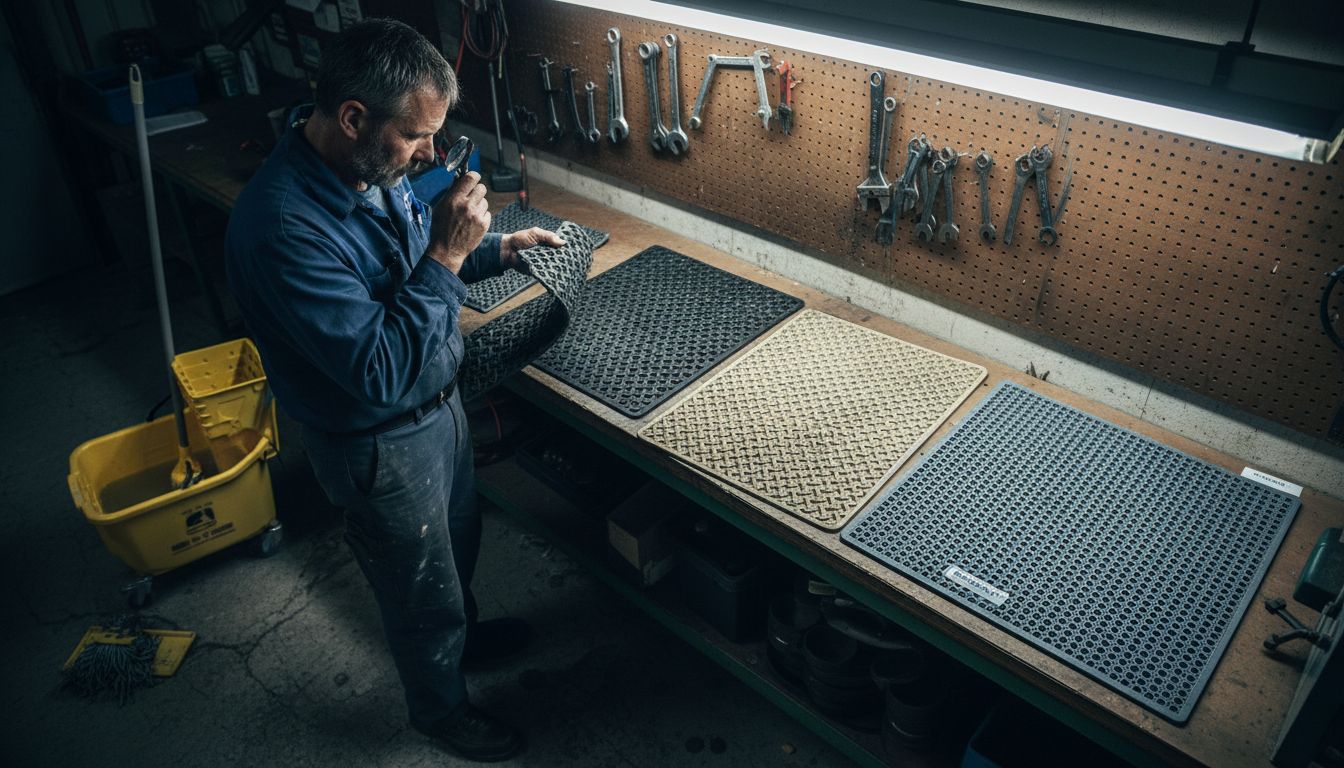
Traditional slip‑proof mat materials include rubber, vinyl, polyvinyl chloride (PVC), and advanced synthetic polymers. For instance, high-performance industrial mats like the Chek Pro utilize poly vinyl rubber (PVR) materials that offer exceptional durability and maintenance advantages. These materials are strategically designed to provide maximum traction, liquid absorption, and resistance to wear in challenging environments. Some specialized mats feature textured surfaces, raised patterns, or embedded drainage channels that effectively channel liquids away from walking surfaces.
Different workplace zones demand unique slip‑proof mat configurations. Construction sites might require high-visibility yellow mats with robust slip resistance ratings, while restaurant kitchens need grease-resistant options with antimicrobial properties. Understanding non slip restaurant mats reveals the nuanced requirements for food service environments. Common mat types include:
- Entry Mats: Designed to trap moisture and dirt
- Anti-Fatigue Mats: Provide cushioning for standing workers
- Drainage Mats: Feature perforated surfaces for liquid management
- Industrial Mats: Heavy-duty options for manufacturing environments
- Specialized Safety Mats: Customized for specific workplace hazards
Selecting the appropriate slip‑proof mat involves analyzing foot traffic patterns, potential liquid exposure, chemical interactions, and specific safety requirements. By understanding these critical factors, businesses can implement targeted floor protection strategies that minimize accidents and enhance overall workplace safety.
Safety Standards And Regulatory Requirements
Business environments must adhere to rigorous safety standards when implementing slip‑proof flooring solutions. Commercial entrance matting standards play a critical role in preventing workplace accidents and ensuring comprehensive safety protocols. The American National Standards Institute (ANSI) has established specific guidelines that outline comprehensive requirements for mat selection, installation, and maintenance.
The ANSI B101.6 – 2012 standard provides detailed criteria for commercial facilities seeking to minimize slip, trip, and fall incidents. This regulatory framework addresses multiple critical aspects of floor mat implementation, including material specifications, placement strategies, and ongoing maintenance protocols. Key regulatory considerations encompass slip resistance ratings, durability requirements, fire safety classifications, and environmental performance metrics that businesses must carefully evaluate.
Comprehensive safety standards typically mandate the following key requirements:
- Slip Resistance: Minimum coefficient of friction standards
- Material Durability: Resistance to wear, chemicals, and environmental conditions
- Installation Specifications: Proper mat placement and securing techniques
- Maintenance Protocols: Regular inspection and replacement guidelines
- Visibility and Marking: High-contrast edges and warning indicators
Businesses must remain proactive in understanding and implementing these safety standards. By prioritizing regulatory compliance and investing in high-quality slip‑proof mat solutions, organizations can significantly reduce workplace accidents, demonstrate commitment to employee safety, and mitigate potential legal and financial risks associated with workplace injuries.
Choosing Mats For Facility Environments
Selecting the appropriate slip‑proof mat requires a strategic approach that goes beyond simple floor covering. Entrance matting for commercial spaces demands careful evaluation of facility-specific requirements, environmental conditions, and safety considerations. Businesses must conduct a comprehensive assessment of their unique operational needs to identify the most effective mat solutions.
Professional facility managers must consider multiple critical factors when choosing floor mats. Indoor entrance floor mat selection involves analyzing foot traffic patterns, potential contaminant exposure, and specific environmental challenges. Research indicates that effective mats should meet rigorous performance standards, including the ability to absorb liquids, scrape solids from shoes, and provide optimal slip resistance. Experts recommend selecting mats that can cover adequate surface area – typically 10 to 12 steps (approximately 30 feet) in high-moisture environments like snowy or rainy conditions.
Key considerations for mat selection include:
- Traffic Volume: Durability for high-traffic areas
- Environmental Conditions: Moisture, temperature, and contaminant exposure
- Safety Requirements: Slip resistance and tripping prevention
- Maintenance Needs: Ease of cleaning and replacement
- Aesthetic Considerations: Professional appearance and branding
Mat placement is equally critical. Strategic positioning at entry points, high-traffic zones, and areas prone to moisture can significantly reduce workplace accidents. By carefully evaluating facility-specific needs and implementing targeted mat solutions, businesses can create safer, more efficient environments that protect both employees and visitors from potential slip and fall hazards.
Risks, Costs, And Compliance Obligations
Workplace slip and fall incidents represent a significant financial and legal risk for businesses across multiple industries. Comprehensive floor mat compliance standards provide critical guidelines for mitigating potential legal and financial exposures associated with workplace accidents. Organizations must understand the profound economic implications of inadequate safety measures.
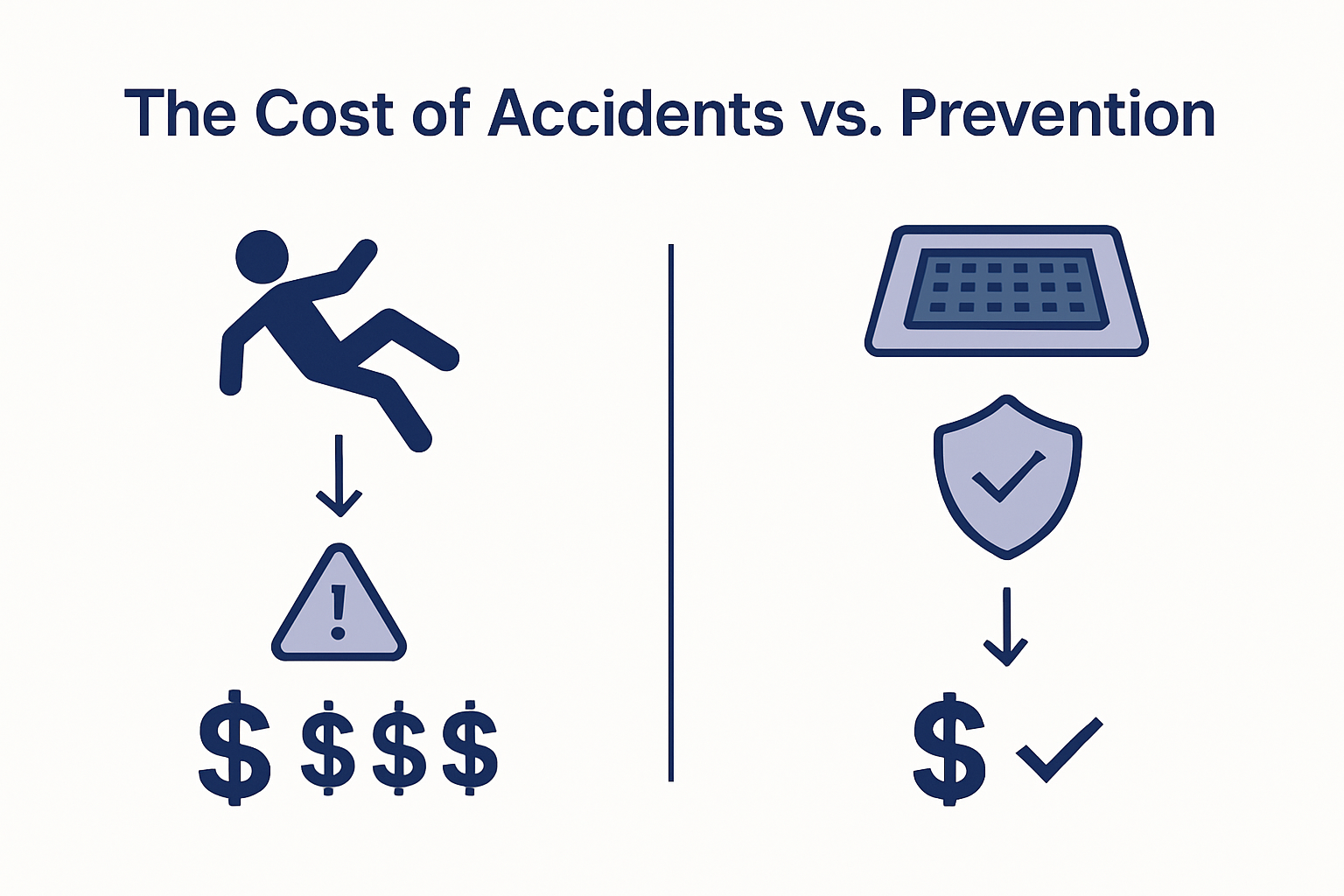
Statistical data reveals the staggering financial consequences of slip-related incidents. The average slip and fall claim reaches approximately $4,000, with medical expenses potentially escalating to $12,000 per incident. Defending against a slip and fall lawsuit can cost businesses up to $50,000, not including potential settlements or reputation damage. Projections from the Centers for Disease Control suggest fall-related medical expenses could reach $32 billion annually within the next two decades, underscoring the critical importance of proactive safety strategies.
Key compliance and risk management considerations include:
- Legal Liability: Potential lawsuits and financial penalties
- Medical Expenses: Direct costs of workplace injuries
- Regulatory Compliance: Adherence to ANSI and OSHA standards
- Insurance Premiums: Potential increases due to safety incidents
- Productivity Loss: Time missed due to workplace injuries
Businesses must recognize that compliance with safety standards is not merely a regulatory requirement but a critical investment in workplace safety. By implementing comprehensive floor mat programs, organizations can significantly reduce accident risks, protect employees, and mitigate potential financial and legal consequences associated with workplace slip and fall incidents.
Protect Your Business with Reliable Slip-Proof Mats
Slip and fall accidents pose serious risks that can disrupt your business, cause injuries, and lead to costly legal challenges. The article highlights the importance of high-traction, durable mats designed to reduce these risks in commercial spaces. Finding mats that provide liquid absorption, beveled edges, and long-lasting performance is essential for protecting employees and visitors alike.
At Mats4U, we understand these critical safety needs and offer a wide range of Non Slip mats crafted for superior grip in high-traffic and wet areas. Our expertly designed mats help you comply with important safety standards while enhancing workplace security. Don’t wait until an accident happens. Explore our selection now at Mats4U.com to find the perfect solution that fits your facility’s unique environment and safeguards your bottom line.
Take action today for safer floors and peace of mind. Browse our Outdoor mats and Accessories collections for complete entrance solutions tailored to your commercial space.
Frequently Asked Questions
What are slip-proof mats used for?
Slip-proof mats are designed to prevent slipping and falling in commercial and industrial spaces by maximizing traction, especially in wet or high-traffic areas.
What materials are commonly used in slip-proof mats?
Common materials include rubber, vinyl, polyvinyl chloride (PVC), and advanced synthetic polymers, each engineered for durability and slip resistance in various environments.
How do I determine which slip-proof mat is suitable for my facility?
Evaluate foot traffic patterns, potential contaminants, environmental conditions, and required safety standards. Consider specific needs for areas like entryways or kitchens to choose the right mat type.
What safety standards apply to slip-proof mats?
Slip-proof mats must comply with standards set by the American National Standards Institute (ANSI), which includes slip resistance ratings, material durability, installation specifications, and regular maintenance protocols.
Recommended
- Understanding Anti Slip Mats for Wet Areas: Safety Matters – Mats4U USA
- A Practical Guide to Anti Slip Floor Mats: Improving Safety and Grip i – Mats4U USA
- Understanding Non Slip Restaurant Mats for Safety – Mats4U USA
- Understanding Non Slip Floor Mats for Wet Areas – Mats4U USA
- 7 Common Restaurant Hazards You Need to Know - Probe IT


