


Slippery floors and long hours on hard surfaces lead to more than 300,000 workplace injuries each year across American industries. For any business where wet floors are a daily reality, comfort and safety demand specialized solutions that standard mats cannot provide. This guide explains how the right anti fatigue mat for wet areas can dramatically lower risks while improving both productivity and well-being for American workers.
Table of Contents
- What Are Anti Fatigue Mats for Wet Areas?
- Types of Wet Area Anti Fatigue Mats Explained
- Essential Safety and Durability Features
- Best Uses in Commercial and Industrial Settings
- Costs, Lifespan, and Maintenance Considerations
- Comparing Alternatives and Avoiding Common Mistakes
Key Takeaways
| Point | Details |
|---|---|
| Durability and Safety Features | Anti fatigue mats for wet areas enhance safety and comfort through durable materials and advanced designs for drainage and slip resistance. |
| Types of Mats | Selecting the right type of mat—such as standard rubber, modular interconnectable, or chemical-resistant—is crucial for specific workplace environments. |
| Cost and Maintenance Considerations | Initial investment ranges from $50 to $300, with a lifespan of 2-5 years; proper maintenance is essential for longevity and performance. |
| Common Selection Mistakes | Avoid underestimating specific environmental needs, chemical compatibility, and drainage capability when selecting mats to ensure optimal safety and effectiveness. |
What Are Anti Fatigue Mats for Wet Areas?
Anti fatigue mats for wet areas are specialized floor coverings engineered to enhance worker safety and comfort in environments with significant moisture exposure. These innovative mats are designed to address the complex challenges of slippery, wet workspaces across various industrial and commercial settings. Drainage-capable mats from specialized manufacturers provide critical protection against workplace accidents and employee strain.
Typically constructed from durable rubber materials, these mats feature unique design elements like raised drainage holes and textured surfaces to manage liquid accumulation. The strategic engineering allows liquids to flow through rather than pooling on the surface, which dramatically reduces slip risks. Most wet area anti fatigue mats incorporate multiple functional features:
- Raised drainage channels
- Textured anti-slip surfaces
- Chemical and grease resistance
- Ergonomic cushioning to reduce worker fatigue
- Quick liquid dispersion capabilities
Understanding the specific requirements of wet environments is crucial when selecting these specialized mats. Different industries like food processing, medical laboratories, commercial kitchens, and manufacturing facilities demand unique mat characteristics. Industrial rubber mats with specialized drainage properties provide targeted solutions for environments where moisture, safety, and worker comfort intersect.
Pro Tip: Measure your specific workplace dimensions and moisture exposure levels before purchasing wet area anti fatigue mats to ensure optimal coverage and protection.
Types of Wet Area Anti Fatigue Mats Explained
Wet area anti fatigue mats come in diverse designs tailored to specific workplace environments, each engineered to address unique safety and comfort challenges. Industrial rubber duckboard mats represent one critical category, offering specialized solutions for high-moisture workspaces that require robust drainage and slip resistance.
These mats can be categorized into several primary types based on their specific characteristics and application environments:
- Standard Rubber Drainage Mats: Featuring large drainage holes and raised textured surfaces
- Modular Interconnectable Mats: Designed to cover larger workspace areas seamlessly
- Chemical-Resistant Mats: Constructed with materials that withstand industrial chemical exposures
- Beveled Edge Mats: Providing smooth transitions and reducing tripping hazards
- Perforated Surface Mats: Allowing maximum liquid dispersion and quick drying
The Sanitop Deluxe Anti-fatigue Mat exemplifies advanced wet area mat technology, offering a 20mm thick rubber construction with enhanced drainage capabilities. These specialized mats are crucial in environments like commercial kitchens, food processing facilities, medical laboratories, and manufacturing plants where moisture management is critical.
Pro Tip: Match mat specifications precisely to your workplace’s specific moisture, temperature, and chemical exposure conditions to maximize safety and performance.
Here’s how different types of wet area anti fatigue mats compare across key workplace needs:
| Mat Type | Best Application Areas | Unique Benefit |
|---|---|---|
| Standard Rubber Drainage | Kitchens, production lines | Fast liquid drainage |
| Modular Interconnectable | Large industrial floors | Seamless full-area coverage |
| Chemical-Resistant | Labs, processing facilities | Stands up to harsh substances |
| Beveled Edge | Walkways, transition zones | Reduces tripping risk |
| Perforated Surface | Wet zones, dish stations | Rapid drying and safety |
Essential Safety and Durability Features
Safety and durability are paramount when selecting anti fatigue mats for wet areas, with multiple critical features determining their effectiveness in challenging workplace environments. Natural rubber construction provides an exceptional foundation for mats that must withstand constant moisture, chemical exposure, and heavy foot traffic.
Key safety and durability features that distinguish high-performance wet area mats include:
- Drainage Architecture: Strategically designed holes and channels
- Surface Texture: Raised studs and aggressive grip patterns
- Chemical Resistance: Materials engineered to withstand industrial substances
- Thickness: Substantial rubber depth for shock absorption
- Edge Design: Beveled transitions to prevent tripping hazards
The Sanitop Deluxe Anti-fatigue Mat’s 20mm thick construction exemplifies superior design, offering enhanced durability and comfort. These mats must simultaneously manage liquid dispersion, provide ergonomic support, and maintain structural integrity under demanding conditions. Advanced engineering ensures that workplace safety does not compromise worker comfort or mat longevity.
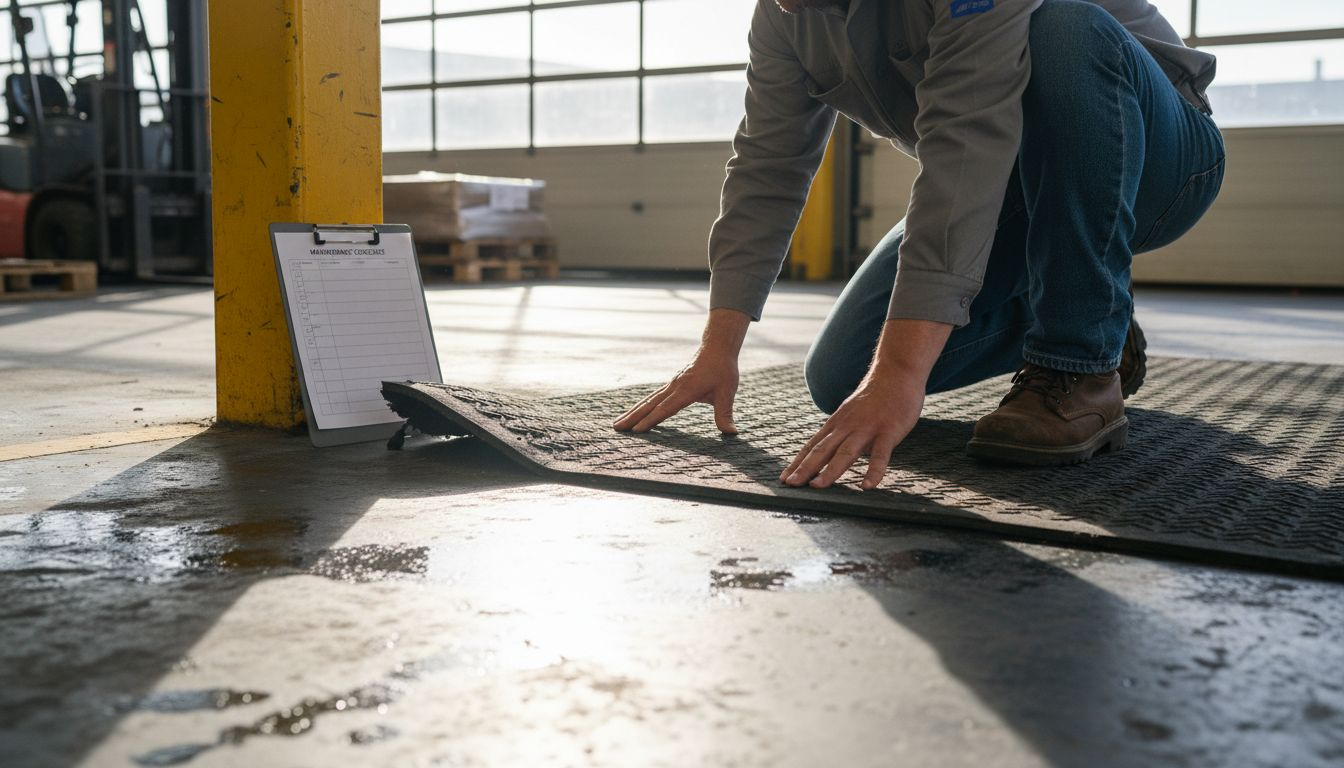
Pro Tip: Conduct periodic visual inspections of mat surfaces, checking for wear, chemical degradation, or structural compromises that could reduce safety performance.
Best Uses in Commercial and Industrial Settings
Anti fatigue mats for wet areas have become essential safety solutions across numerous commercial and industrial environments where worker comfort and workplace safety intersect. Specialized mats designed for heavy traffic conditions provide critical protection in diverse workplace settings that demand high-performance floor protection.
Key commercial and industrial environments that benefit most from wet area anti fatigue mats include:
- Manufacturing Plants: Protecting workers on assembly lines and production floors
- Logistics Warehouses: Managing moisture and reducing worker fatigue during long shifts
- Food Processing Facilities: Ensuring slip resistance and sanitary conditions
- Commercial Kitchens: Providing ergonomic support in high-moisture environments
- Pharmaceutical Laboratories: Maintaining clean, safe workstations with chemical resistance
- Automotive Workshops: Managing oil, water, and other liquid exposures
The Sanitop Deluxe Anti-fatigue Mat’s versatile design demonstrates remarkable adaptability across different industrial contexts, offering enhanced comfort and safety in both wet and dry work environments. These specialized mats address multiple workplace challenges simultaneously, from reducing physical strain to preventing potential slip and fall accidents.
Pro Tip: Conduct a comprehensive workplace assessment to identify specific moisture, chemical, and traffic conditions before selecting anti fatigue mats for your industrial or commercial setting.
Costs, Lifespan, and Maintenance Considerations
Understanding the financial and operational implications of wet area anti fatigue mats requires a comprehensive analysis of initial investment, long-term durability, and ongoing maintenance requirements. Natural rubber construction offers substantial lifecycle advantages that can offset higher upfront costs through extended product longevity and reduced workplace injury risks.
Critical cost and maintenance factors to consider include:
- Initial Purchase Price: Ranging from $50 to $300 depending on size and complexity
- Expected Lifespan: 2-5 years with proper maintenance
- Replacement Frequency: Dependent on traffic intensity and environmental conditions
- Cleaning Requirements: Regular washing and basic upkeep
- Performance Degradation: Gradual reduction in slip resistance and cushioning
The Sanitop Deluxe Anti-fatigue Mat’s maintenance protocol demonstrates typical care requirements, which typically involve washing with detergent and periodic hosing to remove accumulated debris. Businesses should budget not just for mat purchase but for consistent maintenance to maximize safety and performance. Factors like chemical exposure, foot traffic, and environmental conditions significantly impact mat longevity and replacement schedules.
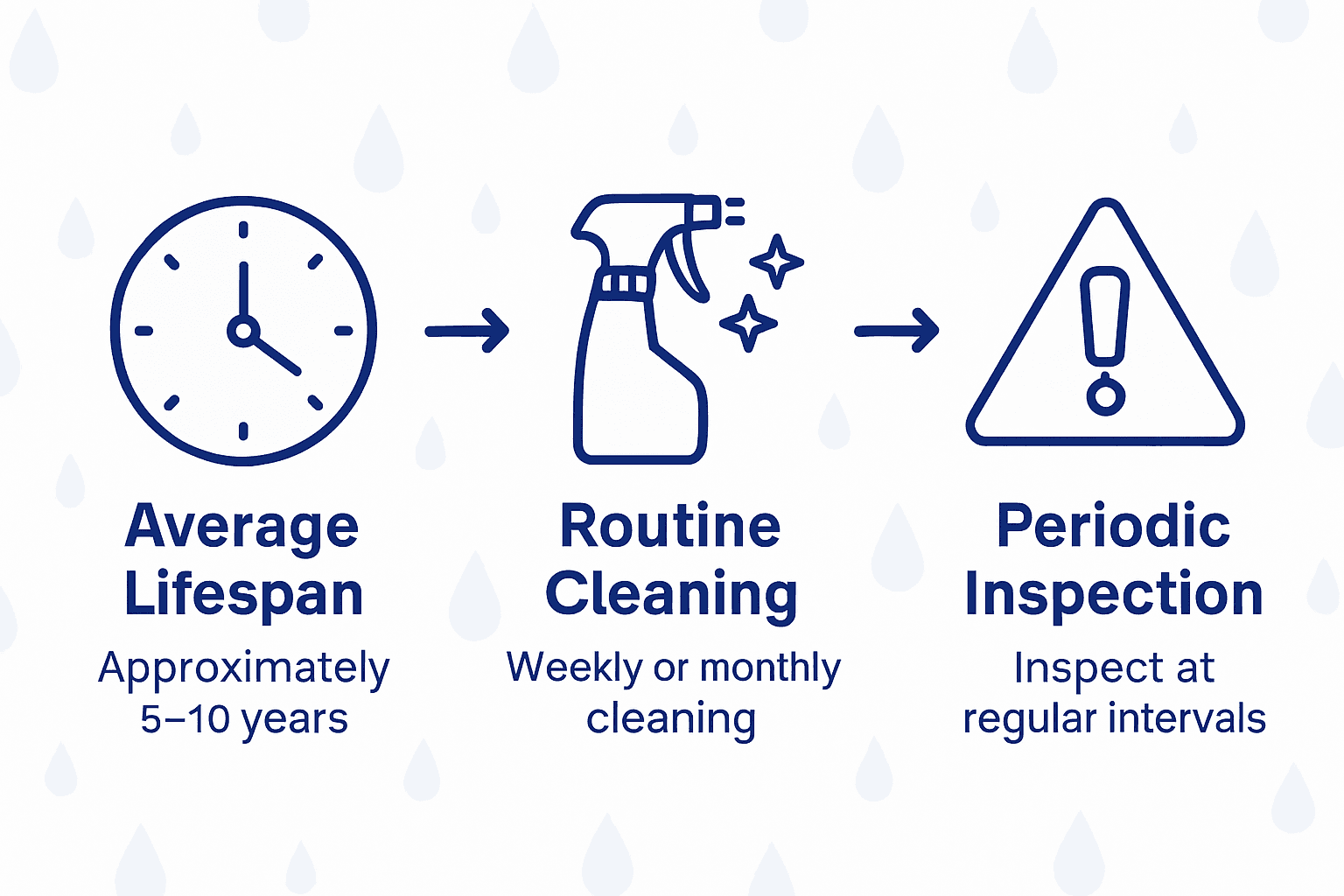
Pro Tip: Calculate total cost of ownership by combining initial purchase price, expected replacement interval, and ongoing maintenance expenses to make a more informed purchasing decision.
Compare initial costs, longevity, and care to help select the right mat investment:
| Consideration | Typical Range or Recommendation | Business Impact |
|---|---|---|
| Initial Price | $50 - $300 per mat | Influences upfront budget planning |
| Expected Lifespan | 2-5 years with maintenance | Affects replacement frequency |
| Maintenance Effort | Routine washing and hosing | Impacts sanitation and overall safety |
| Replacement Factors | Based on traffic, chemicals, mat wear | Guides long-term cost management |
Comparing Alternatives and Avoiding Common Mistakes
Selecting appropriate wet area anti fatigue mats requires a nuanced understanding of workplace requirements and potential pitfalls that can compromise safety and performance. Evaluating material composition and drainage capabilities becomes crucial in distinguishing between effective solutions and inadequate floor protection.
Common mistakes to avoid when selecting wet area anti fatigue mats include:
- Overlooking Specific Environment Requirements: Selecting generic mats without assessing unique workplace conditions
- Ignoring Chemical Compatibility: Choosing mats that cannot withstand specific industrial substances
- Neglecting Drainage Design: Selecting mats with insufficient liquid management capabilities
- Prioritizing Cost Over Performance: Compromising safety features for lower upfront expenses
- Failing to Consider Traffic Intensity: Choosing mats unsuited to workplace foot traffic levels
The Sanitop Deluxe Anti-fatigue Mat’s comprehensive design demonstrates key alternatives that address multiple workplace challenges. Alternative options include specialized rubber compounds, modular mat systems, and industry-specific designs that cater to unique environmental demands. Businesses must conduct thorough assessments of workplace conditions, comparing mat features against specific operational requirements to ensure optimal safety and performance.
Pro Tip: Consult with safety professionals and conduct on-site evaluations before finalizing anti fatigue mat selections to ensure comprehensive workplace protection.
Enhance Safety and Comfort with Premium Anti Fatigue Mats for Wet Areas
If you are facing challenges managing slippery wet floors and worker fatigue in demanding commercial or industrial environments the right anti fatigue mats can make all the difference. Mats designed with effective drainage and slip resistance not only protect employees from costly accidents but also improve comfort levels during long shifts. By focusing on key features like surface texture and durable rubber construction you create safer workspaces where productivity flourishes.
Explore the extensive selection of Anti-Fatigue Mats at Mats4U to find specialized solutions engineered for wet areas. Complement your safety strategy with options from our Non Slip collection that further reduce slip risks without compromising comfort. Take advantage now of competitive pricing and free delivery on orders over $100 when you shop at Mats4U.com. Invest in superior matting today and ensure your team works confidently and comfortably tomorrow.
Frequently Asked Questions
What are anti fatigue mats for wet areas?
Anti fatigue mats for wet areas are specialized floor coverings designed to enhance safety and comfort in environments with high moisture exposure. They feature drainage capabilities to manage liquid accumulation and reduce slip risks, while providing ergonomic support to minimize worker fatigue.
How do I choose the right anti fatigue mat for my workplace?
When selecting an anti fatigue mat for wet areas, consider the specific moisture, temperature, and chemical exposure conditions of your workplace. Look for features like drainage channels, surface texture, and material composition that meet your environment’s unique requirements.
What are the benefits of using anti fatigue mats in commercial kitchens?
In commercial kitchens, anti fatigue mats provide enhanced slip resistance, ergonomic cushioning, and quick liquid drainage, helping to prevent accidents and reduce worker discomfort during long shifts.
How often should I maintain my wet area anti fatigue mats?
Regular maintenance is important for longevity and safety. Routine washing and hosing off mats help to remove debris and prevent performance degradation. Conduct periodic inspections to check for wear and ensure optimal functionality.


