


More than 35 percent of American commercial facilities report a rise in worker fatigue for employees standing on hard floors throughout their shift. Managing comfort in high-traffic environments like retail spaces, airports, and office buildings is a top concern for facility managers determined to support productivity and reduce strain. Understanding how anti fatigue mats work can help you shape healthier workplaces and make smarter choices that benefit your team in the long run.
Table of Contents
- What Are Anti Fatigue Runner Mats?
- Types and Materials for Commercial Use
- How Anti Fatigue Mats Reduce Fatigue
- Selecting the Right Size and Style
- Cost, Upkeep, and Installation Tips
Key Takeaways
| Point | Details |
|---|---|
| Ergonomic Benefits | Anti fatigue runner mats are designed to reduce muscle fatigue and enhance comfort for workers standing for extended periods. |
| Material Selection | Choose mats made from suitable materials such as rubber or polyurethane foam to match specific workplace requirements. |
| Dynamic Interaction | These mats promote micro-movements that stimulate blood circulation, effectively combatting muscle strain. |
| Maintenance Importance | Regular upkeep and inspections are crucial to ensure the mats maintain their performance and longevity. |
What Are Anti Fatigue Runner Mats?
Anti fatigue runner mats are specialized floor coverings designed to provide ergonomic support and comfort for workers who spend extended periods standing on hard surfaces. These mats are engineered to reduce physical strain and minimize the cumulative effects of prolonged standing in workplace environments like assembly lines, checkout areas, and industrial workstations.
Typically constructed from soft, cushioned rubber or advanced polymer materials, anti fatigue runner mats create a supportive surface that helps reduce muscle fatigue and stress by minimizing the impact on workers’ muscles and joints. The strategic design of these mats allows for micro-movements that encourage subtle muscle contractions, which improves blood circulation and reduces the static load on the body during extended standing periods.
The primary functional components of anti fatigue runner mats include specialized cushioning layers that absorb shock, redistribute body weight, and provide a comfortable standing surface. These mats often feature textured surfaces to prevent slipping and are engineered to withstand high-traffic industrial environments. Workplace ergonomic studies consistently demonstrate that implementing anti fatigue mats can significantly improve worker comfort, reduce potential musculoskeletal injuries, and enhance overall productivity.
Pro tip: Measure your workspace precisely and choose runner mats with appropriate dimensions to maximize ergonomic coverage and ensure complete workplace comfort.
Types and Materials for Commercial Use
Commercial anti fatigue runner mats come in a diverse range of materials and designs, each engineered to meet specific workplace requirements. Commercial mat configurations typically include rubber, foam, and gel-infused options that provide targeted support for workers standing in industrial, retail, and manufacturing environments.
The core materials for these mats often include specialized foam types such as cross-linked polyethylene and polyurethane, which determine the mat’s overall firmness and durability. Different foam densities allow manufacturers to create mats with varying levels of support, from soft and cushiony surfaces ideal for lighter-use areas to dense, robust mats designed for heavy industrial settings. Surface treatments like textured vinyl or rubber coatings enhance slip resistance and ensure easy cleaning, making these mats both functional and hygienic.
Most commercial anti fatigue runner mats are constructed with multilayer designs that optimize ergonomic performance. These typically feature a shock-absorbing core, a supportive middle layer, and a durable exterior surface. Some advanced models incorporate additional technologies like beveled edges to prevent tripping, moisture-wicking properties to manage workplace humidity, and antimicrobial treatments to maintain a clean working environment. Advanced foam core technologies) enable manufacturers to create mats that balance comfort, durability, and workplace safety requirements.
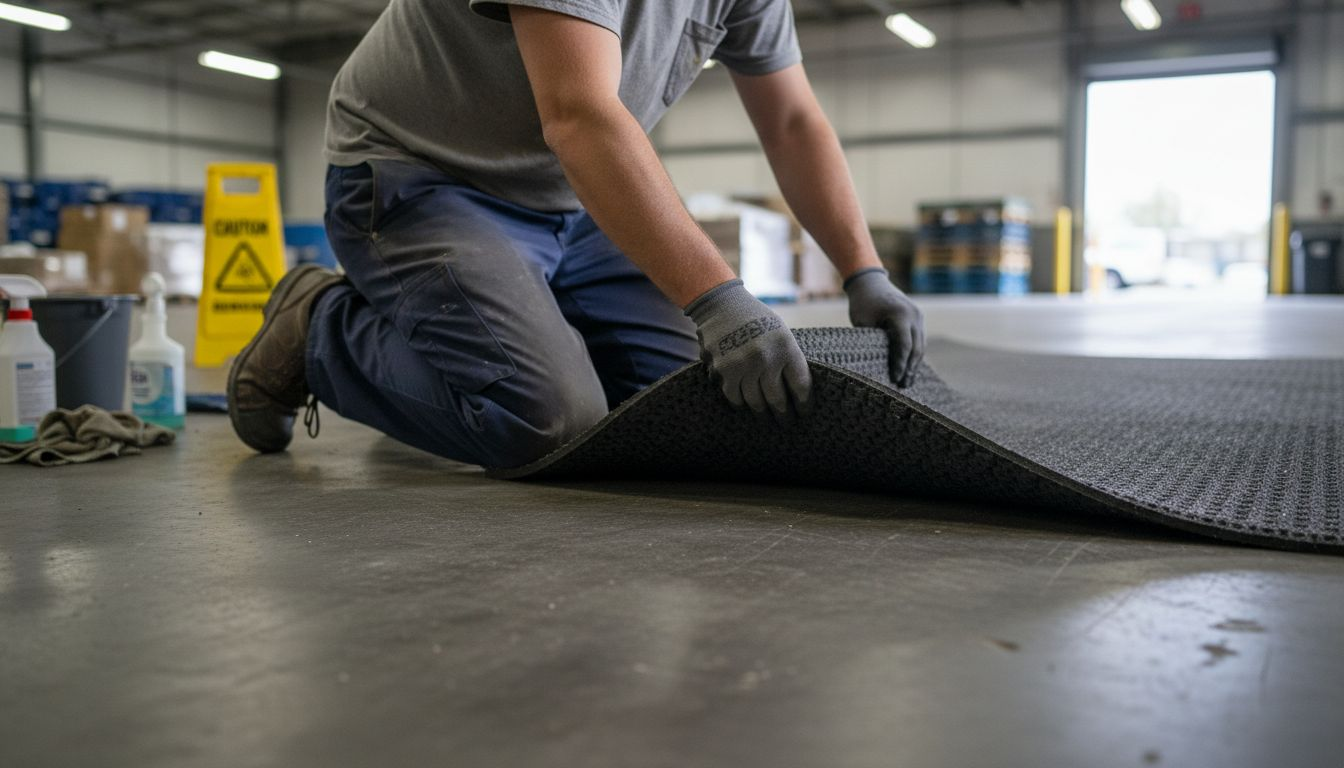
Here’s a quick comparison of common anti fatigue runner mat materials and their workplace suitability:
| Material Type | Key Benefits | Typical Use Environments |
|---|---|---|
| Rubber | Durable, slip resistant | Industrial, wet areas |
| Polyurethane Foam | Superior cushioning, light | Offices, retail counters |
| Gel-Infused | Maximum comfort, resilient | Healthcare, labs, assembly |
| Vinyl Surface | Easy cleaning, hygienic | Food processing, kitchens |
Pro tip: Select anti fatigue runner mats with material specifications that precisely match your specific workplace environment and worker movement patterns.
How Anti Fatigue Mats Reduce Fatigue
Anti fatigue mats work through a sophisticated biomechanical process that actively combats workplace muscle strain and physical exhaustion. Physiological stress reduction occurs by creating a cushioned surface that encourages subtle micro-movements, which stimulate blood circulation and reduce the static load on workers’ muscles and joints during prolonged standing periods.
The fundamental mechanism involves shock absorption and pressure distribution, which significantly alleviates the mechanical stress experienced by workers. By providing a responsive surface that moves slightly with each step, these mats trigger continuous muscle contractions that prevent blood from pooling in the lower extremities. This dynamic interaction helps delay muscle fatigue onset and maintains worker alertness by reducing the physiological strain associated with standing on hard, unforgiving surfaces.
Research demonstrates that anti fatigue mats can dramatically improve workplace ergonomics by creating an environment that supports natural body mechanics. The strategic cushioning reduces compressive forces on joints, particularly in the legs, ankles, and lower back, which are most susceptible to fatigue during extended standing periods. By minimizing muscular tension and promoting better posture, these mats help prevent cumulative stress injuries and maintain worker productivity and comfort throughout long shifts.
Pro tip: Rotate and periodically inspect your anti fatigue mats to ensure consistent performance and maximum ergonomic benefit.
Selecting the Right Size and Style
Choosing the appropriate anti fatigue runner mat requires careful consideration of your specific workplace environment and operational needs. Mat selection strategies involve analyzing the unique characteristics of your workspace, including traffic patterns, standing duration, and potential safety hazards.
The dimensions and configuration of anti fatigue mats vary significantly to accommodate different workplace scenarios. Narrow runner-style mats work exceptionally well in corridors and workstation pathways, while larger area mats provide comprehensive coverage for static work zones. Workplace safety considerations dictate that mats should feature contrasting colors with the existing floor, have beveled edges to prevent tripping, and include non-slip surfaces to ensure maximum worker protection.
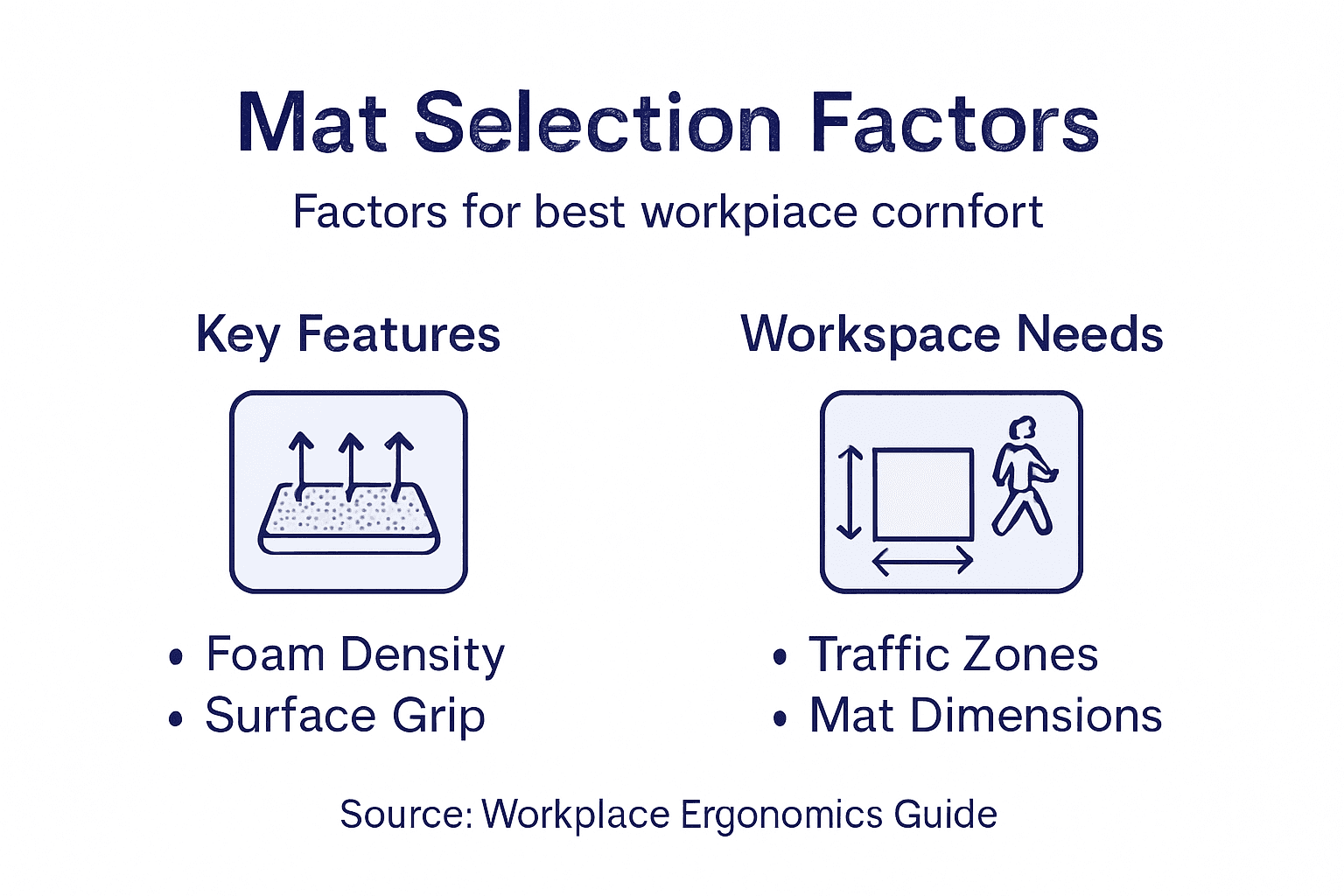
Critical factors in mat selection include foam density, surface material, and thickness. Industrial environments with heavy machinery might require denser, more robust mats, while lighter-use areas can utilize softer, more cushioned options. Facility managers should also consider additional features like antimicrobial treatments, chemical resistance, and ease of cleaning when making their final selection. The goal is to balance ergonomic support, durability, and workplace safety in a single comprehensive solution.
Pro tip: Measure your specific workspace precisely and order samples to test mat performance before making a full investment.
Below is a summary of important factors to consider when selecting anti fatigue runner mats:
| Selection Factor | Why It Matters | Example Considerations |
|---|---|---|
| Foam Density | Affects support and longevity | High for heavy traffic areas |
| Surface Texture | Prevents slips and trips | Choose non-slip for safety |
| Mat Thickness | Influences comfort and durability | Thicker for longer standing |
| Size & Shape | Fits workspace and traffic flow | Runners for aisles, large mats |
| Special Features | Enhances hygiene or safety | Antimicrobial, beveled edges |
Cost, Upkeep, and Installation Tips
Budgeting for anti fatigue runner mats requires understanding the complex relationship between initial investment and long-term workplace ergonomics. Mat cost considerations involve analyzing material quality, thickness, and specialized features that impact pricing, with options ranging from budget-friendly basic models to premium engineered solutions.
Proper installation and maintenance are critical to maximizing mat performance and longevity. Installation best practices emphasize preparing the underlying surface by ensuring it is clean, dry, and level before mat placement. Facility managers should prioritize mats with beveled edges to minimize tripping hazards and select materials that can withstand specific workplace conditions, such as chemical exposure, heavy machinery traffic, or moisture-rich environments.
Regular upkeep is essential for maintaining anti fatigue mat effectiveness and appearance. Recommended maintenance protocols include routine vacuuming, periodic damp mopping with appropriate cleaning solutions, and periodic inspection for signs of wear or damage. Budget-conscious organizations should view these mats as investments in worker health and productivity, calculating their value not just by initial cost but by potential reductions in workplace injuries, fatigue-related productivity losses, and long-term employee wellness.
Pro tip: Schedule quarterly mat inspections and rotate mats periodically to ensure even wear and maximize their ergonomic performance.
Enhance Workplace Comfort with Premium Anti Fatigue Runner Mats
Standing for long hours on hard floors causes muscle fatigue and discomfort that reduce productivity and affect well-being. The article highlights how anti fatigue runner mats reduce physical strain by providing cushioned support and encouraging subtle micro-movements that improve blood circulation. To tackle these challenges effectively, business owners and facility managers need reliable, durable solutions designed for high-traffic commercial environments and industrial settings.
Explore the extensive range of ergonomic mats at Mats4U | Anti-Fatigue Mats | Collection to find the perfect fit for your workspace. Our mats deliver superior comfort, safety features like non-slip surfaces, and durable materials tailored to reduce muscle fatigue and enhance posture. Act now to boost employee comfort and minimize fatigue-related downtime by choosing mats that match your specific needs. Visit Mats4U and discover how our expertly designed anti fatigue solutions can transform your workplace. Don’t forget to check out our Comfort Range for additional ergonomic options that prioritize health and safety.
Frequently Asked Questions
What are anti fatigue runner mats and how do they work?
Anti fatigue runner mats are specialized floor coverings designed to reduce muscle fatigue and physical strain for workers who spend long periods standing. They promote blood circulation and minimize the impact on muscles and joints through a cushioned surface that encourages micro-movements.
What materials are commonly used in anti fatigue runner mats?
Common materials include rubber, polyurethane foam, and gel-infused options. Rubber is durable and slip-resistant, while polyurethane foam offers superior cushioning. Gel-infused mats provide maximum comfort and are often used in demanding environments like healthcare.
How do I choose the right size and style of anti fatigue runner mat for my workplace?
Selection should consider factors such as traffic patterns, standing durations, and safety hazards. Choose mats that fit your workspace dimensions, and consider runner-style mats for walkways or larger area mats for static work zones. Also, prioritize features like beveled edges and non-slip surfaces for safety.
What is the maintenance routine for anti fatigue runner mats?
Regular maintenance includes routine vacuuming, periodic damp mopping with the appropriate cleaning solutions, and inspections for wear and damage. It’s crucial to keep mats clean and in good condition to maximize their ergonomic benefits and longevity.
Recommended
- Understanding the Benefits of Anti Fatigue Mats – Mats4U USA
- What Does Anti Fatigue Mat Do? Understanding Its Benefits – Mats4U USA
- Best Mats for Employee Comfort – Mats4U USA
- Understanding Anti Fatigue Floor Mats for Kitchen Use – Mats4U USA
- 7 Work Life Balance Strategies for Finance Professionals - Finblog


