


Slips and falls remain a leading cause of workplace injuries for American facility managers, costing businesses billions each year. Managing high-traffic wet areas demands a proactive approach to safety, especially when water, oils, or cleaning solutions frequently hit the floor. Choosing durable rubber mats designed for these challenging zones can drastically minimize hazards and protect your workforce, while also helping to avoid costly downtime and liability claims.
Table of Contents
- What Are Rubber Mats for Wet Areas?
- Types of Commercial Wet Area Mats Explained
- Key Features and Performance Factors
- Common Applications in High-Traffic Facilities
- Comparing Costs and Long-Term Value
- Selecting and Maintaining Wet Area Mats
Key Takeaways
| Point | Details |
|---|---|
| Safety Enhancement | Rubber mats for wet areas significantly reduce the risk of slip-related accidents in environments with moisture. |
| Types of Mats | Various commercial wet area mats include drainage, anti-fatigue, modular safety, and chemical-resistant mats, each tailored for specific needs. |
| Performance Characteristics | Key attributes such as slip resistance, durability, and ergonomic support are critical for ensuring workplace safety and comfort. |
| Long-Term Cost Value | Investing in higher-quality mats may incur higher initial costs but can reduce long-term expenses and improve overall workplace efficiency. |
What Are Rubber Mats for Wet Areas?
Rubber mats for wet areas are specialized floor coverings strategically designed to enhance safety and performance in environments where moisture, liquids, and potential slip hazards are prevalent. These critical safety solutions provide a protective barrier between workers and slippery surfaces, dramatically reducing workplace accident risks. Floor mats with anti-slip textures serve multiple essential functions beyond basic floor coverage.
Typically constructed from durable synthetic rubber materials, these mats feature specialized surface designs that channel water away and provide substantial grip. The unique textured surfaces are engineered to create friction, allowing workers to maintain stable footing even in challenging conditions. Industrial and commercial spaces like manufacturing facilities, commercial kitchens, swimming pool areas, and healthcare environments frequently rely on these critical safety solutions to prevent accidents.
Rubber mats for wet areas offer comprehensive protection through multiple mechanisms. They not only provide slip resistance but also help track moisture and dirt off footwear, reducing contamination risks. Additional benefits include reducing worker fatigue by offering cushioned support for individuals standing during extended shifts. The mats absorb shock, provide insulation from cold surfaces, and create a more ergonomic working environment.
Pro tip: When selecting rubber mats for wet areas, prioritize mats with raised drainage patterns and beveled edges to maximize safety and water management efficiency.
Types of Commercial Wet Area Mats Explained
Commercial wet area mats come in diverse variations, each engineered to address specific safety and performance requirements across different industrial environments. Commercial mats range from small doormats to expansive industrial runners, designed with precise engineering to manage moisture and provide critical slip resistance in challenging workplace settings.
The primary categories of commercial wet area mats include:
- Drainage Mats: Featuring specialized raised patterns and perforated surfaces that quickly channel water away from walking surfaces
- Anti-Fatigue Mats: Constructed with cushioned materials to reduce worker strain during prolonged standing in wet environments
- Modular Safety Mats: Interlocking designs that can be customized to fit specific workspace configurations
- Chemical-Resistant Rubber Mats: Engineered to withstand exposure to oils, chemicals, and other corrosive substances
These mats are typically manufactured from advanced synthetic materials like vulcanized rubber, nitrile compounds, and ethylene-vinyl acetate (EVA), each offering unique performance characteristics. Industrial kitchens, manufacturing facilities, healthcare environments, and food processing plants represent key sectors where these specialized floor coverings play a crucial role in maintaining workplace safety and operational efficiency.
Here’s how major types of commercial wet area mats address safety and operational needs:
| Mat Type | Safety Benefit | Common Workplace Use |
|---|---|---|
| Drainage Mats | Rapid water removal | Manufacturing, kitchens |
| Anti-Fatigue Mats | Reduces physical strain | Food prep, production lines |
| Modular Safety Mats | Flexible coverage, trip reduction | Assembly areas, corridors |
| Chemical-Resistant Mats | Prevents chemical-related damage | Laboratories, factories |
Pro tip: When selecting wet area mats, prioritize materials that match your specific environmental challenges and always verify the mat’s chemical compatibility with your workspace conditions.
Key Features and Performance Factors
Rubber mats for wet areas are engineered with sophisticated performance characteristics that go far beyond simple floor coverage. Comprehensive testing standards evaluate critical performance metrics, ensuring these safety solutions meet rigorous industry requirements for workplace protection.
Key performance factors include:
- Slip Resistance: Advanced surface texturing that provides maximum traction in wet conditions
- Durability: Ability to withstand constant moisture, chemical exposure, and heavy foot traffic
- Ergonomic Support: Cushioning that reduces worker fatigue during extended standing periods
- Thermal Insulation: Protection against cold floor surfaces in industrial environments
- Moisture Management: Specialized drainage systems that quickly channel water away from walking surfaces
Performance standards for rubber mats meticulously assess multiple critical attributes including wear resistance, elasticity, and structural integrity. Manufacturers utilize advanced materials like vulcanized rubber and synthetic compounds to create mats that maintain consistent performance under challenging workplace conditions. High-visibility color options and specialized surface treatments further enhance safety and functional effectiveness.
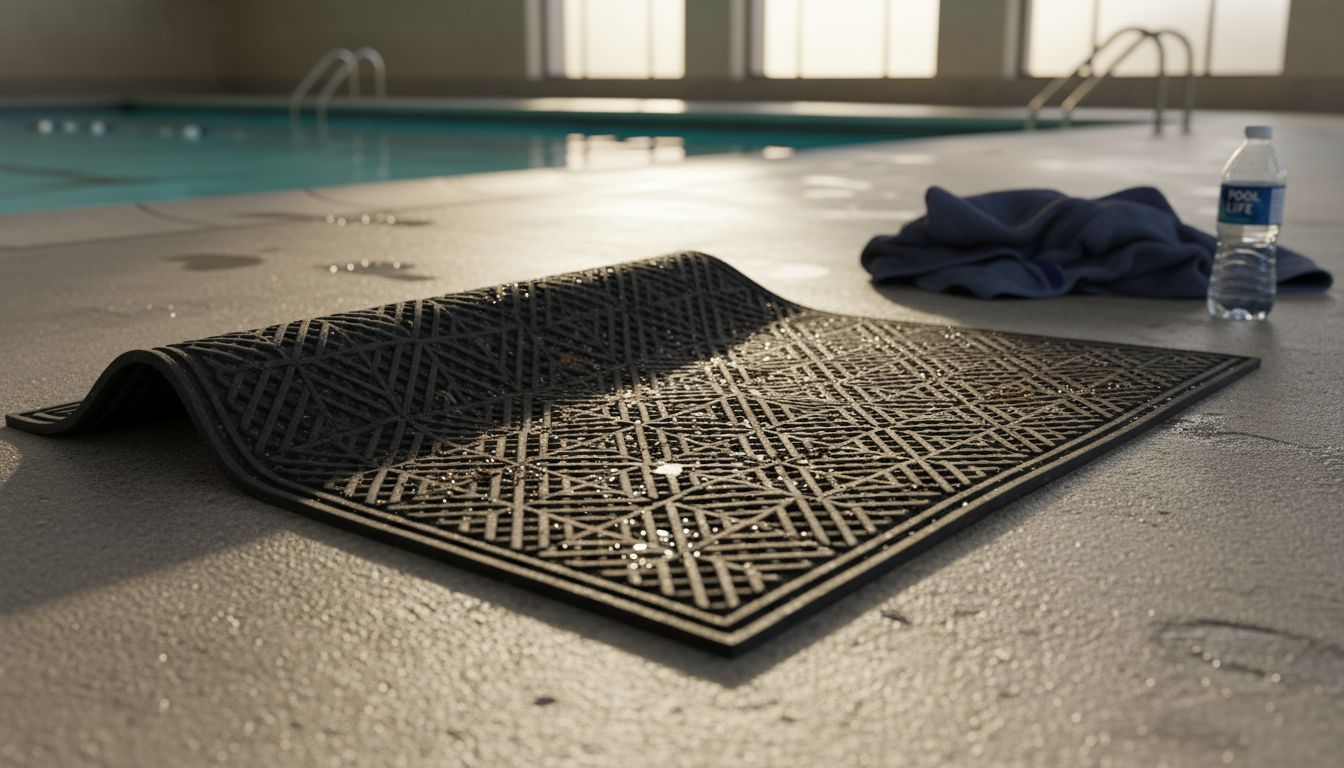
Pro tip: Conduct regular visual inspections of wet area mats, checking for signs of wear, surface degradation, or reduced slip resistance to maintain optimal workplace safety standards.
Common Applications in High-Traffic Facilities
Rubber mats play a critical role in safety management across diverse high-traffic environments, providing essential protection in areas prone to moisture and potential slip hazards. Commercial facilities use specialized mats to mitigate accident risks in locations where water, debris, and frequent foot traffic create dangerous conditions.
Key high-traffic facility applications include:
- Building Entrances: Capturing moisture and dirt from incoming foot traffic
- Industrial Manufacturing Areas: Protecting workers in zones with potential chemical spills
- Commercial Kitchens: Managing water and grease around food preparation stations
- Healthcare Facilities: Maintaining sterile and slip-resistant floor surfaces
- Gymnasium and Sports Complexes: Preventing accidents around wet areas like swimming pools
Rubber mats strategically installed in high-traffic commercial environments serve multiple protective functions beyond simple floor coverage. They create barriers against potential workplace accidents, reduce floor surface wear, and provide ergonomic support for workers standing for extended periods. Specialized mats in produce aisles, garages, and equipment zones demonstrate the versatility of these critical safety solutions across different industrial and commercial settings.
Pro tip: Rotate and inspect wet area mats quarterly to ensure consistent performance and identify potential wear or degradation before safety becomes compromised.
Comparing Costs and Long-Term Value
Managing facility safety requires a strategic approach to investment, where initial costs must be carefully weighed against potential long-term benefits. Engineered rubber materials demonstrate significant economic advantages when evaluated beyond simple upfront pricing, revealing complex cost considerations that extend far beyond the initial purchase.
Cost factors to consider include:
- Initial Purchase Price: Varies based on mat complexity and features
- Durability: Higher quality mats reduce replacement frequency
- Maintenance Expenses: Easy-to-clean materials minimize long-term upkeep costs
- Potential Accident Prevention: Reduced worker compensation claims and liability risks
- Workplace Productivity: Decreased worker fatigue translates to improved performance
Comprehensive cost analysis of commercial safety mats reveals that investing in higher-quality rubber mats can generate substantial savings over time. While premium mats may present higher upfront expenses, their advanced features like superior slip resistance, enhanced durability, and ergonomic design provide measurable financial benefits through reduced workplace accidents, lower replacement costs, and improved worker efficiency.
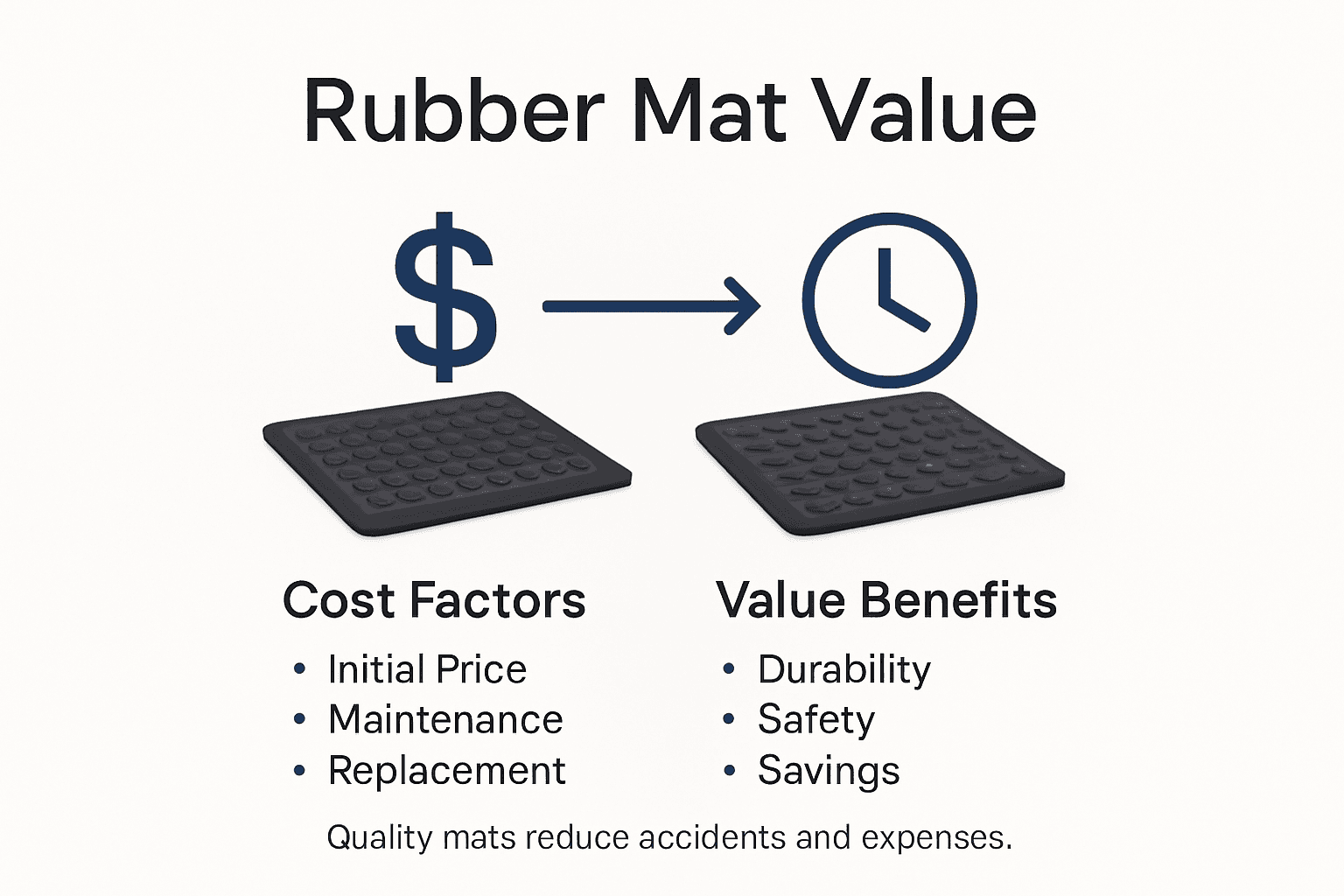
This table summarizes key factors influencing total cost of ownership for wet area mats:
| Cost Factor | Impact on Value | Recommendation |
|---|---|---|
| Initial Price | Affects budget and ROI | Balance cost with durability |
| Maintenance Need | Drives long-term savings | Prefer easy-to-clean surfaces |
| Longevity | Reduces replacement frequency | Invest in premium materials |
| Accident Prevention | Lowers liability expenses | Select mats with best grip |
Pro tip: Calculate your total cost of ownership by considering replacement intervals, cleaning expenses, and potential accident prevention when selecting wet area mats.
Selecting and Maintaining Wet Area Mats
Selecting the right rubber mats for wet areas requires a comprehensive approach that balances safety, functionality, and environmental specifics. Careful evaluation of mat characteristics ensures optimal performance and workplace protection.
Key selection criteria include:
- Slip Resistance: Evaluate surface texture and traction capabilities
- Environment Compatibility: Match mat material to specific workplace conditions
- Drainage Performance: Choose mats with effective water channeling designs
- Cushioning Level: Consider worker comfort and fatigue reduction
- Visibility: Select high-contrast colors for enhanced safety awareness
Ongoing maintenance according to industry standards is crucial for preserving mat effectiveness. Regular inspection involves checking for surface wear, examining drainage capabilities, and assessing overall structural integrity. Cleaning protocols should remove dirt, moisture, and potential contaminants that could compromise the mat’s slip-resistant properties. Facility managers must implement systematic replacement strategies, recognizing that even high-quality mats will eventually degrade and require renewal to maintain safety standards.
Pro tip: Develop a quarterly inspection and maintenance schedule that includes detailed visual assessments, cleaning protocols, and systematic documentation of mat condition.
Enhance Safety with the Right Rubber Mats for Wet Areas
Slippery floors and wet environments pose serious safety challenges that can lead to costly accidents and lost productivity. This article highlights essential concerns like slip resistance, moisture management, and worker fatigue—key factors that every business must address to protect employees and maintain smooth operations. Finding mats engineered for durability, drainage, and ergonomic support is critical to meet these demands and reduce risks in high-traffic areas.
Explore our extensive selection of Commercial Mats and Non Slip solutions at Mats4U.com. Our mats are designed with advanced materials that deliver superior traction and long-lasting performance even in wet conditions. Act now to invest in safety and comfort—choose from mats that offer the perfect balance of durability and cushioning to keep your workplace secure and productive. Visit Mats4U today to find the ideal wet area mats tailored for your facility and benefit from expert guidance and free delivery on orders over $100.
Frequently Asked Questions
What are rubber mats for wet areas?
Rubber mats for wet areas are specialized floor coverings designed to enhance safety and performance in environments with moisture and potential slip hazards. They provide slip resistance, moisture drainage, and ergonomic support, reducing accident risks and worker fatigue.
What types of commercial wet area mats are available?
Commercial wet area mats include drainage mats, anti-fatigue mats, modular safety mats, and chemical-resistant mats. Each type addresses specific safety and performance requirements according to different industrial environments.
How do I choose the right rubber mat for my workplace?
Select a rubber mat based on slip resistance, compatibility with your environment, drainage performance, cushioning level, and visibility. Matching the mat characteristics to your workplace conditions is crucial for optimal safety and effectiveness.
What maintenance is required for rubber mats in wet areas?
Regular maintenance includes inspecting the mats for wear, checking drainage functionality, and maintaining cleanliness. Implementing a systematic replacement strategy is essential to ensure that the mats continue to provide necessary safety features.
Recommended
- Understanding Mats for Wet Areas: Importance and Functionality – Mats4U USA
- Understanding Non Slip Floor Mats for Wet Areas – Mats4U USA
- Understanding Anti Slip Mats for Wet Areas: Safety Matters – Mats4U USA
- A Practical Guide to Rubber Mats with Drainage for Your Business – Mats4U USA
- Preventing Workplace Injuries: Essential Safety Steps – WorkWearComfort
- 7 Smart Steps for a Home Safety Checklist Every Buyer Needs | ReVroom


